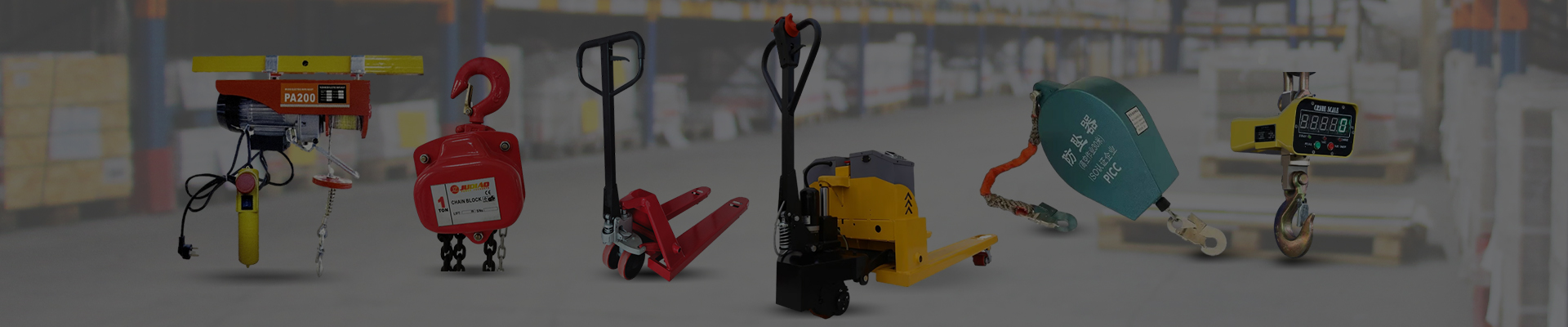


If you’re skimming through industrial tools or lifting equipment, chances are you’ve bumped into the term chain block China. It’s more than just a phrase — it symbolizes an entire industrial ecosystem centered on reliable lifting devices manufactured predominantly in China. Globally, these chain blocks power construction sites, factories, warehouses, and even humanitarian relief missions. The appeal? Affordability mixed with quality that keeps evolving. Knowing about these chain blocks is key for industries and organizations seeking cost-effective yet durable solutions.
Why does it matter on a larger scale? Consider the rapid urban development sweeping Asia and Africa. It’s no secret that cheap and reliable lifting equipment reduces downtime and accelerates project completion. Plus, when disaster strikes, these chain blocks often become unsung heroes in rescue and rebuilding efforts.
Mini takeaway: Chain block China products bridge gaps between affordability and efficiency, making them indispensable worldwide.
To put it in perspective, China dominates the world market in manufacturing chain blocks — contributing roughly 60-70% of global supply, according to some industry reports. This is partly why the phrase chain block China is common parlance among contractors and procurement officers alike.
UN and ISO standards have pushed for stricter quality and safety benchmarks, which many Chinese manufacturers now meet or exceed, boosting confidence internationally. Still, challenges linger — cheaply made blocks can lead to serious safety incidents, so knowing where and how to source the right product is critical.
There’s a problem, obviously — the balance between cost and safety. How do you invest in something that’s affordable but won’t fail under pressure? That’s where understanding the nuances of chain block China becomes more than just jargon.
Mini takeaway: China’s manufacturing scale meets global needs but demands careful quality inspection and specification awareness.
At its core, a chain block is a simple but powerful hand-operated lifting device that uses a chain wound around a drum or wheel and falls down to hoist loads vertically. Often called a “chain hoist,” it leverages mechanical advantage to lift heavy objects safely and efficiently.
Chain block China refers to these devices manufactured in China, generally recognized for blending decent build quality with competitive pricing.
In modern industry, chain blocks are irreplaceable tools — they help factories handle heavy materials daily, aid construction projects in moving steel beams, and assist humanitarian agencies in delivering relief supplies where forklifts or cranes aren’t available.
Mini takeaway: Chain blocks are deceptively simple but crucial lifting devices whose Chinese variants play a major global role.
These chain blocks often use alloy steel chains and hardened gears ensuring longevity. Many engineers I spoke with stress the importance of chain quality since it directly impacts safety under load.
From 0.5 ton to 20 tons and beyond, chain blocks span a range of capacities to suit different industrial requirements. The ability to scale up or down without losing reliability means versatility for users.
Modern models often include load brakes, overload protection, and comfortable grips — safety measures that prevent accidents and fatigue during extended use.
China-based manufacturers leverage scale economies to produce affordable units while meeting certain certification standards such as CE or ISO.
Leading vendors provide options for chain length adjustments, load capacities, and even color-coded markings to align with client needs.
| Specification | Typical Chain Block China Model | Details |
|---|---|---|
| Load Capacity | 1 Ton / 2 Ton / 5 Ton | Choose depending on lifting needs |
| Chain Material | Alloy Steel | High strength, corrosion-resistant |
| Lifting Height | 1.5 - 3 meters (Standard) | Custom lengths available |
| Safety Features | Load Brake, Overload Protection | Prevents accidents during use |
| Certification | CE, ISO 9001 | Meets international quality standards |
From bustling industrial zones in Shenzhen to construction sites in Europe, these chain blocks are everywhere. Oddly enough, they also pop up in unexpected places like remote humanitarian relief camps, where simple, reliable lifting gear is a lifeline.
Regions like Southeast Asia and Africa benefit greatly, due to cost-sensitive projects that still demand reliability.
Mini takeaway: The global footprint of chain block China spans mundane factories to critical relief strategies.
Moving cheap always raises eyebrows, but there's logic behind investing in reputable Chinese chain blocks. Here’s what stands out:
It’s fair to say the right chain block reduces headaches — and the occasional heart-stopping near-miss — while also keeping the books balanced.
Mini takeaway: Chain block China is more than budget gear; it’s a sustainable, trustworthy tool that boosts safety and efficiency.
Looking ahead, the sector is not standing still. A few trends are worth watching:
These innovations promise not just incremental improvements but a rethinking of how lifting tech works on the ground.
Mini takeaway: The future of chain block China blends tech savvy with green manufacturing—a combo that feels overdue.
Despite progress, some issues persist:
Experts suggest solutions like third-party product testing, comprehensive user manuals, and partnerships with reputable suppliers — all savvy moves to keep safety front and center.
Mini takeaway: Challenges exist, but they can be largely managed with smart procurement and user education.
| Manufacturer | Price Range (USD) | Certifications | Lead Time | Warranty |
|---|---|---|---|---|
| Shandong Hoist | $60 - $150 | CE, ISO 9001 | 2-3 weeks | 12 months |
| Zhejiang Lifttech | $55 - $130 | ISO 9001 | 3 weeks | 18 months |
| Guangdong Crane Co. | $70 - $160 | CE, ISO, SGS | 1-2 weeks | 24 months |
Look for certifications such as CE, ISO 9001, or SGS markings. Also, sourcing from reputable vendors with transparent testing records helps ensure compliance. Checking for a warranty and after-sales support can be further indicators.
Yes. Many manufacturers provide customization options like different load capacities, chain lengths, and safety features so the product fits particular operational needs, whether in construction, manufacturing, or disaster relief.
Regular lubrication of moving parts, chain inspection for wear or damage, and prompt replacement of worn components can significantly prolong service life. User manuals often offer detailed maintenance schedules.
Lead times vary by supplier but generally range from 1 to 3 weeks. Bulk or customized orders may take longer, so it’s wise to confirm timing upfront with the vendor.
Yes, especially models with corrosion-resistant chains and sealed mechanisms. Many are designed to stand up to challenging outdoor or industrial conditions globally. Just ensure the chosen model aligns with your environment’s demands.
Chain block China continues to be a pivotal player in lifting equipment, marrying affordability with steadily improving quality. Whether it’s speeding up construction or enabling critical humanitarian interventions, their long-term value is clear. If you’re considering new lifting gear, understanding the nuances behind these devices will safeguard your operations and investments.
Ready to explore reliable options? Visit our website: https://www.qyjuli.com


 Afrikaans
 Albanian
 Amharic
 Arabic
 Armenian
 Azerbaijani
 Basque
 Belarusian
 Bengali
 Bosnian
 Bulgarian
 Catalan
 Cebuano
 China
China
 China (Taiwan)
 Corsican
 Croatian
 Czech
Czech
 Danish
 Dutch
Dutch
 Esperanto
 Estonian
 Finnish
 French
 Frisian
 Galician
 Georgian
 German
 Greek
Greek
 Gujarati
 Haitian Creole
 Hausa
Hausa
 Hawaiian
 Hebrew
 Hindi
Hindi
 Miao
Miao
 Hungarian
 Icelandic
 Igbo
Igbo
 Indonesian
 Irish
Irish
 Italian
 Japanese
 Javanese
 Kannada
 Kazakh
 Khmer
Khmer
 Rwandese
 Korean
 Kurdish
 Kyrgyz
 Lao
Lao
 Latin
Latin
 Latvian
 Lithuanian
 Luxembourgish
 Macedonian
 Malgashi
 Malay
Malay
 Malayalam
 Maltese
 Maori
Maori
 Marathi
 Mongolian
 Myanmar
 Nepali
 Norwegian
 Norwegian
 Occitan
 Pashto
 Persian
 Polish
 Portuguese
 Punjabi
 Romanian
 Russian
 Samoan
 Scottish Gaelic
 Serbian
 Sesotho
 Shona
Shona
 Sindhi
 Sinhala
 Slovak
 Slovenian
 Somali
 Spanish
 Sundanese
 Swahili
 Swedish
 Tagalog
 Tajik
Tajik
 Tamil
Tamil
 Tatar
Tatar
 Telugu
 Thai
Thai
 Turkish
 Turkmen
 Ukrainian
 Urdu
Urdu
 Uighur
 Uzbek
Uzbek
 Vietnamese
 Welsh
Welsh
 Bantu
Bantu
 Yiddish
 Yoruba
 Zulu
Zulu
 English