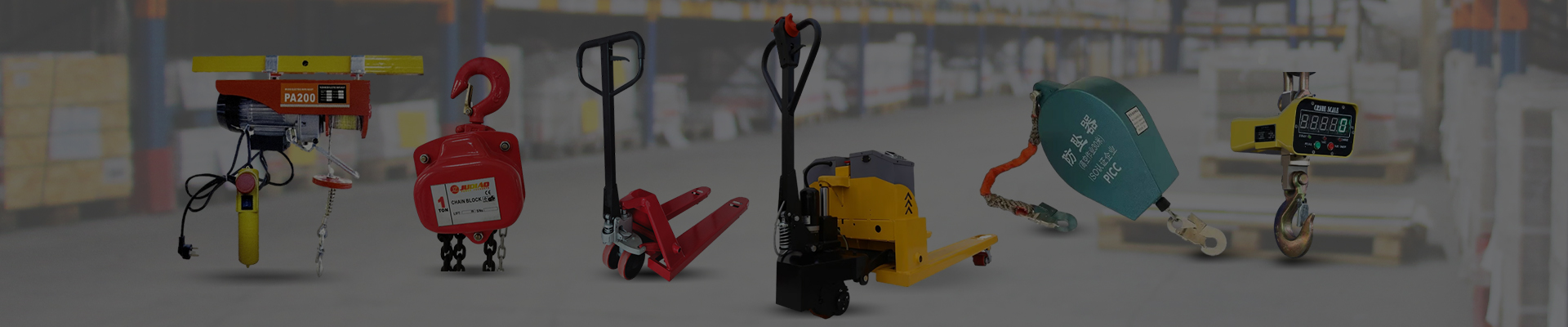


At first glance, the manual chain block might seem like a simple lifting tool—just chains and pulley systems, right? But if you zoom out and consider the vast role this device plays across industries worldwide, it suddenly feels a bit like the quiet backbone of many operations, from construction cranes in Southeast Asia to humanitarian aid setups in Africa. Why does it matter so much? Because without reliable, low-tech mechanical lifting, so many projects, deliveries, and recovery efforts would either slow down—or become downright unsafe.
In this article, we’ll delve into what a manual chain block really is, why it’s indispensable globally, and explore its evolving role in oil refineries, factories, disaster zones, and beyond. Plus, we'll unpack how the product specs stack up and, importantly, where to find trustworthy suppliers.
To put things in perspective, manual chain blocks are used in countless industries — manufacturing, construction, mining, to name a few. According to the International Labour Organization (ILO), mechanical lifting aids reduce workplace injuries by roughly 40% when used properly. That’s huge.
More interestingly, they’re not just industrial gadgets found in fancy factories; they’re front-line tools for many NGOs in disaster relief, where power might be absent, but heavy lifting still has to happen. The manual chain block answers the challenge of lifting huge weights in remote or off-grid areas efficiently and safely.
Globally, the market for chain blocks is estimated to grow steadily as infrastructural projects expand in Asia and Africa, and renewable energy projects demand more on-site material handling solutions. Frankly, if you’re talking about durability and simplicity in lifting, these devices are tough to beat.
Put simply, a manual chain block is a hand-operated hoisting device. It's composed of a series of gears and pulleys inside a casing that amplifies the pulling force exerted on a hand chain. That hand chain loops around the device, and when pulled, it lifts a heavier load attached to the hook.
This mechanism offers a straightforward, reliable way to lift and lower heavy objects without the need for electricity or compressed air. Think of it like a human-powered elevator for heavy stuff. Historically, it grew out of the need for an affordable lifting tool that anyone could use, anywhere.
It’s not just ancient tech, though. Even today, these blocks fulfill crucial roles where portability, precision, and power-independent operation are essential.
Most chain blocks are built with forged steel chains and housings made from high-grade alloys. This ensures they can withstand years of heavy use even in harsh environments like shipyards or mines.
Some models feature specially designed chains and hand wheels to reduce operator fatigue — a small but game-changing detail when lifting heavy loads repeatedly.
Manual chain blocks come in various capacities, commonly ranging from 0.5 tons up to 20 tons or more. They include built-in safety gears such as load brakes that prevent accidental drops.
Because they’re manually operated, portability matters a lot. Many models weigh under 15kg, so workers can carry them into confined or hard-to-reach spaces.
Generally low-maintenance, thanks to simple internal components. Regular lubrication and inspection ensure longevity.
In real terms, these components work together to offer a rugged, user-friendly solution wherever lifting is needed without high-tech dependencies.
Across continents, these devices have a surprisingly wide spread of applications. A few examples:
Its widespread use reflects not just versatility but also a trust in manual mechanics when conditions get rough.
Let’s be frank — automated hoists and cranes often steal the limelight. But manual chain blocks hold their ground because:
Beyond dollars and cents, their value lies in providing a steady tether to work in places that are often forgotten or underserved.
| Specification | Typical Values | Description |
|---|---|---|
| Lifting Capacity | 0.5 - 20 tons | Maximum load the device can safely lift |
| Lift Height | 1.5 - 6 meters | Vertical distance the load can be raised |
| Chain Material | Alloy Steel | Ensures tensile strength and wear resistance |
| Weight | 7 - 15 kg | Device’s own weight, affects portability |
| Operating Temperature | -20°C to +70°C | Safe working environmental temperature range |
| Vendor | Price Range (per unit) | Certifications | Special Features | Lead Time |
|---|---|---|---|---|
| EquipLift Co. | $100 - $450 | ISO 9001, CE | Ergonomic hand chains, corrosion resistance | 2-3 weeks |
| LiftMax Industrial | $130 - $500 | ISO 14001, CE, ASME | Heavy-duty models, extended warranty options | 3-5 weeks |
| Global Hoist Solutions | $110 - $400 | CE, OSHA Compliant | Compact design, quick maintenance kits | 1-2 weeks |
While these devices are delightfully low-tech, innovation still sparks around them. Engineers are experimenting with ultra-light, high-durability composite materials to reduce weight without sacrificing strength. Digital sensors embedded in chain blocks are becoming a reality, providing operators with load and maintenance info in real-time—kind of a “smart lifter” concept.
Also, with green energy emphasis, manual devices fit better in remote wind or solar farms where power is sparse but lifting equipment is needed regularly. It feels like manual chain blocks won’t lose relevance any time soon.
In a world buzzing with automation and electronics, it’s oddly comforting that a tool as simple as the manual chain block still does so much heavy lifting—literally and metaphorically. The combination of simplicity, safety, and adaptability means it’s a piece of gear that’s not going anywhere soon.
For organizations or individuals looking to combine reliability with pragmatic efficiency, investing in the right manual chain block is a smart, long-term play.
If you want to explore a wide range of durable models suited for any project, visit our website: https://www.qyjuli.com


 Afrikaans
 Albanian
 Amharic
 Arabic
 Armenian
 Azerbaijani
 Basque
 Belarusian
 Bengali
 Bosnian
 Bulgarian
 Catalan
 Cebuano
 China
China
 China (Taiwan)
 Corsican
 Croatian
 Czech
Czech
 Danish
 Dutch
Dutch
 Esperanto
 Estonian
 Finnish
 French
 Frisian
 Galician
 Georgian
 German
 Greek
Greek
 Gujarati
 Haitian Creole
 Hausa
Hausa
 Hawaiian
 Hebrew
 Hindi
Hindi
 Miao
Miao
 Hungarian
 Icelandic
 Igbo
Igbo
 Indonesian
 Irish
Irish
 Italian
 Japanese
 Javanese
 Kannada
 Kazakh
 Khmer
Khmer
 Rwandese
 Korean
 Kurdish
 Kyrgyz
 Lao
Lao
 Latin
Latin
 Latvian
 Lithuanian
 Luxembourgish
 Macedonian
 Malgashi
 Malay
Malay
 Malayalam
 Maltese
 Maori
Maori
 Marathi
 Mongolian
 Myanmar
 Nepali
 Norwegian
 Norwegian
 Occitan
 Pashto
 Persian
 Polish
 Portuguese
 Punjabi
 Romanian
 Russian
 Samoan
 Scottish Gaelic
 Serbian
 Sesotho
 Shona
Shona
 Sindhi
 Sinhala
 Slovak
 Slovenian
 Somali
 Spanish
 Sundanese
 Swahili
 Swedish
 Tagalog
 Tajik
Tajik
 Tamil
Tamil
 Tatar
Tatar
 Telugu
 Thai
Thai
 Turkish
 Turkmen
 Ukrainian
 Urdu
Urdu
 Uighur
 Uzbek
Uzbek
 Vietnamese
 Welsh
Welsh
 Bantu
Bantu
 Yiddish
 Yoruba
 Zulu
Zulu
 English