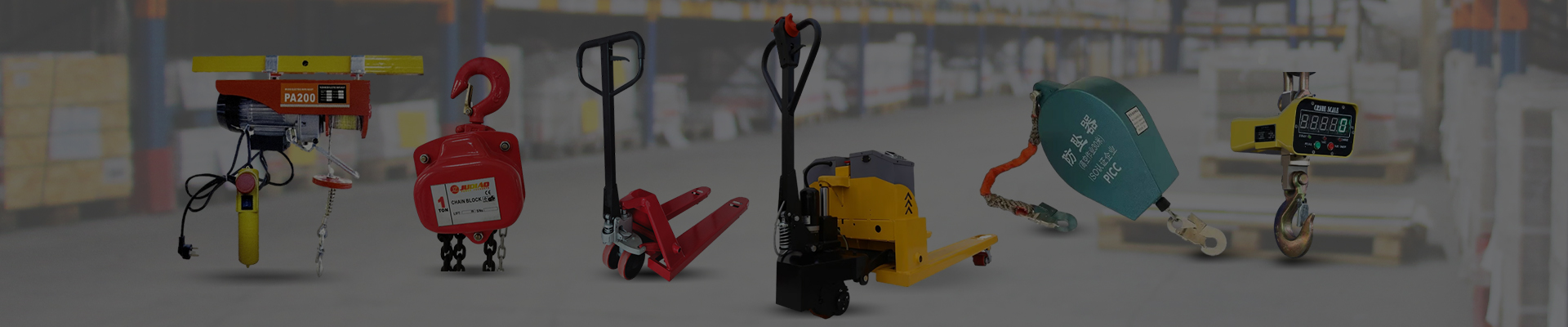


Having spent many years in the industrial equipment sector, I can tell you chain pulley lifting isn’t just some dusty corner machinery. Frankly, it’s one of those deceptively simple tools that quietly keeps heavy operations moving smoothly. You know, when hoisting heavy loads or tackling awkward spaces, this device proves its mettle again and again.
Oddly enough, despite all our technology advances, the basic design of chain pulley blocks hasn’t dramatically changed. That kind of says something about its robustness. It’s all about sturdy metal housings, hardened alloy steel chains, and reliable gear mechanisms—no frills, just trustable engineering. As I’ve seen on countless sites, when specifications are right and maintenance is regular, these devices can run for years without a hiccup.
Let’s talk specs because, in real terms, not all chain pulley blocks are created equal. I remember early in my career struggling to choose the right model for a client’s retrofit project. After digging into the details — capacity, lift height, chain material — it became clear that those factors really dictate efficiency and safety. Too often, I noticed companies skimping on capacity ranges or ignoring the ergonomic design of handles, which ends up costing more downtime.
| Specification | Details |
|---|---|
| Load Capacity | 0.25 to 20 Tons |
| Lift Height | 2 to 20 meters (customizable) |
| Chain Material | Alloy Steel, Heat Treated |
| Housing Material | Die-cast Aluminum or Steel |
| Gear Ratio | 4:1 to 8:1 |
| Safety Features | Overload Protection, Load Brake System |
| Certification | ISO 9001, CE Compliant |
I suppose one of the reasons these blocks stay popular is their versatility. In industries ranging from marine to construction and heavy manufacturing, operators appreciate the simplicity combined with strength. Many engineers say chain pulley lifting units beat hydraulic or electric hoists for certain jobs — you can trust them in harsh weather and tough environments without worrying about power failure or complex controls.
Of course, customization options matter. In one memorable project, a client needed a lifting block that could handle longer lift height but still fit inside a compact rigging system. After collaborating with the vendor, we got a tailored solution with extended chain length and reinforced housing. It really seals the deal when vendors can tweak equipment to fit unique specs. If you’ve worked in this space, you know it’s these little details that distinguish professional-grade tools.
| Vendor | Capacity Range (tons) | Material Quality | Customization Options | Pricing |
|---|---|---|---|---|
| QYJuli | 0.25–20 | Heat-treated alloy steel, die-cast aluminum housing | High – custom heights, chains, finishes | Competitive |
| Vendor B | 1–15 | Standard steel, painted housing | Limited | Mid-range |
| Vendor C | 0.5–10 | Alloy steel, steel housing | Moderate | Budget-friendly |
As for safety, it’s essential to pick blocks that adhere to certified standards. I once witnessed the results of a cheap, uncertified device giving out during a heavy lift — and believe me, the damage and downtime were significant. Always check for ISO 9001 and CE compliance, and insist on robust safety features like load brakes and overload hooks.
Ultimately, my experience has shown that investing in reliable chain pulley lifting equipment pays off in both performance and peace of mind. Whether it’s a tight shop floor or outdoor yard, these blocks handle tough jobs gracefully and predictably.
One last thought: sometimes the old school ways are best. Chain pulley lifting may feel simple, but its enduring presence on industrial sites speaks volumes about its value in heavy lifting tasks.
References:
1. Industrial Hoist Standards Manual, ISO 9001 Edition 2015
2. Manufacturer Specs - QYJuli Official Materials
3. Personal Experience & Client Case Studies, 2010–2023


 Afrikaans
 Albanian
 Amharic
 Arabic
 Armenian
 Azerbaijani
 Basque
 Belarusian
 Bengali
 Bosnian
 Bulgarian
 Catalan
 Cebuano
 China
China
 China (Taiwan)
 Corsican
 Croatian
 Czech
Czech
 Danish
 Dutch
Dutch
 Esperanto
 Estonian
 Finnish
 French
 Frisian
 Galician
 Georgian
 German
 Greek
Greek
 Gujarati
 Haitian Creole
 Hausa
Hausa
 Hawaiian
 Hebrew
 Hindi
Hindi
 Miao
Miao
 Hungarian
 Icelandic
 Igbo
Igbo
 Indonesian
 Irish
Irish
 Italian
 Japanese
 Javanese
 Kannada
 Kazakh
 Khmer
Khmer
 Rwandese
 Korean
 Kurdish
 Kyrgyz
 Lao
Lao
 Latin
Latin
 Latvian
 Lithuanian
 Luxembourgish
 Macedonian
 Malgashi
 Malay
Malay
 Malayalam
 Maltese
 Maori
Maori
 Marathi
 Mongolian
 Myanmar
 Nepali
 Norwegian
 Norwegian
 Occitan
 Pashto
 Persian
 Polish
 Portuguese
 Punjabi
 Romanian
 Russian
 Samoan
 Scottish Gaelic
 Serbian
 Sesotho
 Shona
Shona
 Sindhi
 Sinhala
 Slovak
 Slovenian
 Somali
 Spanish
 Sundanese
 Swahili
 Swedish
 Tagalog
 Tajik
Tajik
 Tamil
Tamil
 Tatar
Tatar
 Telugu
 Thai
Thai
 Turkish
 Turkmen
 Ukrainian
 Urdu
Urdu
 Uighur
 Uzbek
Uzbek
 Vietnamese
 Welsh
Welsh
 Bantu
Bantu
 Yiddish
 Yoruba
 Zulu
Zulu
 English