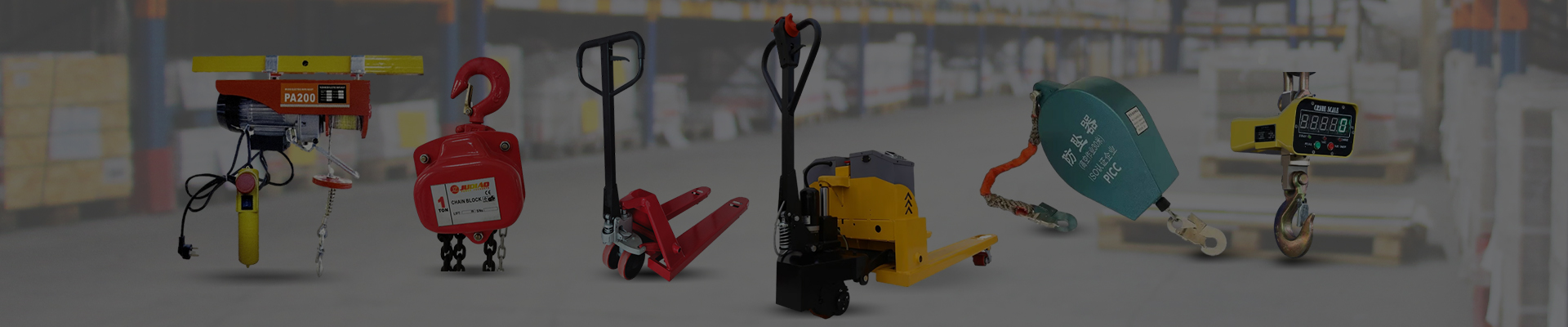


Imagine lifting something heavy without breaking a sweat — that’s the magic of a chain pulley block. These humble mechanical devices quietly power the backbone of industries across the globe, from manufacturing plants in Germany to remote relief operations in the Philippines. Understanding how chain pulley blocks operate isn’t just niche knowledge; it's essential for anyone involved in logistics, construction, or disaster response, where reliable lifting solutions can make all the difference.
According to the International Labour Organization (ILO), over 2.3 million people globally suffer workplace injuries annually linked to improper load handling. That’s a staggering reminder of why equipment like chain pulley blocks is critical — they enhance safety and efficiency simultaneously. The United Nations’ global infrastructure development reports stress that mechanized lifting solutions contribute dramatically to productivity increases, especially in emerging economies investing billions in construction and industrialization (1).
However, a common challenge persists: many regions still rely on inadequate or outdated hoisting equipment, elevating risks and limiting output. The chain pulley block fills that gap with a simple, durable solution that is easy to use, maintain, and trust.
In the simplest terms, a chain pulley block is a manual or powered hoist lifting heavy loads using a system of chains and gears. When you pull the hand chain, it turns gears inside the block, multiplying your force to lift objects many times heavier than you could by hand. The concept itself dates back centuries but remains vital precisely because of its straightforward, reliable design.
It might sound old-school, but this device plays a surprisingly modern role — for example, in humanitarian missions, it enables quick, secure lifting of relief supplies in disaster zones where heavy machinery can't easily reach. In industry, it’s indispensable for assembly lines, warehouses, and shipyards.
Mini takeaway: Practical, versatile, and surprisingly sophisticated despite their old-school roots, chain pulley blocks blend strength with simplicity.
It’s easy to picture these tools at a big manufacturing plant, but their versatility actually extends across continents and sectors:
Oddly enough, these basic machines often outperform newer tech where electrical infrastructure is unreliable or environmental conditions are harsh.
| Specification | Typical Values | Notes |
|---|---|---|
| Load Capacity | 0.5 to 10 tonnes | Varies by model and manufacturer |
| Chain Material | Heat-treated alloy steel | Corrosion-resistant coatings common |
| Safety Features | Overload protection, load limiter | Compliance with ISO standards |
| Weight (unit) | Approx. 15-50 kg | Depends on capacity |
| Operating Temperature | -20°C to +60°C | Suitable for most environments |
| Vendor | Price Range | Warranty | Unique Selling Point |
|---|---|---|---|
| QYJuli Industries | $$ | 2 years | High durability, ISO-certified |
| Global Hoist Co. | $$$ | 3 years | Premium materials, extended warranty |
| LiftMax Solutions | $ | 1 year | Affordable, lightweight designs |
There’s something refreshingly straightforward about chain pulley blocks. Beyond the specs and comparisons, their value resonates deeply:
While the concept is tried-and-true, the industry isn’t standing still. Analysts highlight trends such as:
For anyone involved in lifting, it feels like an exciting junction: marrying age-old mechanics with digital insight.
Since the chain pulley block relies on manual effort, lifting heavy loads can be slow and labor-intensive, especially for larger projects. Plus, chains require regular inspection to avoid snapping risks. However, many engineers advocate for:
It’s not about ditching tradition but enhancing safety and performance so everyone gets home safe.
Start by calculating the maximum weight of the heaviest load you plan to lift, then add a safety margin (usually 20–30%). Always choose a block rated above that total to account for dynamic forces and wear.
Absolutely. Many models feature corrosion-resistant chains and sealed housings designed for outdoor environments, but regular maintenance is key, especially if exposed to rain or salt air.
Industry standards recommend visual inspections before every use and a more thorough annual check by a qualified technician. Chains, hooks, and gears should be examined for wear or damage.
Not at all. The learning curve is gentle, and with hands-on demonstrations combined with safety briefings, operators quickly gain confidence. Still, refresher courses are wise.
Many international suppliers offer durable and affordable models tailored to humanitarian needs. Visiting QYJuli is a good start — they specialize in dependable equipment with global shipping options.
From factories to disaster zones, chain pulley blocks quietly empower worldwide industries and communities, threading the line between old-school mechanical savvy and modern-day needs. Their brilliance lies in their simplicity, durability, and adaptability. Next time you see a heavy object move effortlessly, there’s a good chance a chain pulley block was behind it — patiently doing the heavy lifting so people can focus on building, helping, and innovating.
Ready to elevate your lifting game? Visit our website at QYJuli to explore a full range of high-quality chain pulley blocks that fit your needs.


 Afrikaans
 Albanian
 Amharic
 Arabic
 Armenian
 Azerbaijani
 Basque
 Belarusian
 Bengali
 Bosnian
 Bulgarian
 Catalan
 Cebuano
 China
China
 China (Taiwan)
 Corsican
 Croatian
 Czech
Czech
 Danish
 Dutch
Dutch
 Esperanto
 Estonian
 Finnish
 French
 Frisian
 Galician
 Georgian
 German
 Greek
Greek
 Gujarati
 Haitian Creole
 Hausa
Hausa
 Hawaiian
 Hebrew
 Hindi
Hindi
 Miao
Miao
 Hungarian
 Icelandic
 Igbo
Igbo
 Indonesian
 Irish
Irish
 Italian
 Japanese
 Javanese
 Kannada
 Kazakh
 Khmer
Khmer
 Rwandese
 Korean
 Kurdish
 Kyrgyz
 Lao
Lao
 Latin
Latin
 Latvian
 Lithuanian
 Luxembourgish
 Macedonian
 Malgashi
 Malay
Malay
 Malayalam
 Maltese
 Maori
Maori
 Marathi
 Mongolian
 Myanmar
 Nepali
 Norwegian
 Norwegian
 Occitan
 Pashto
 Persian
 Polish
 Portuguese
 Punjabi
 Romanian
 Russian
 Samoan
 Scottish Gaelic
 Serbian
 Sesotho
 Shona
Shona
 Sindhi
 Sinhala
 Slovak
 Slovenian
 Somali
 Spanish
 Sundanese
 Swahili
 Swedish
 Tagalog
 Tajik
Tajik
 Tamil
Tamil
 Tatar
Tatar
 Telugu
 Thai
Thai
 Turkish
 Turkmen
 Ukrainian
 Urdu
Urdu
 Uighur
 Uzbek
Uzbek
 Vietnamese
 Welsh
Welsh
 Bantu
Bantu
 Yiddish
 Yoruba
 Zulu
Zulu
 English