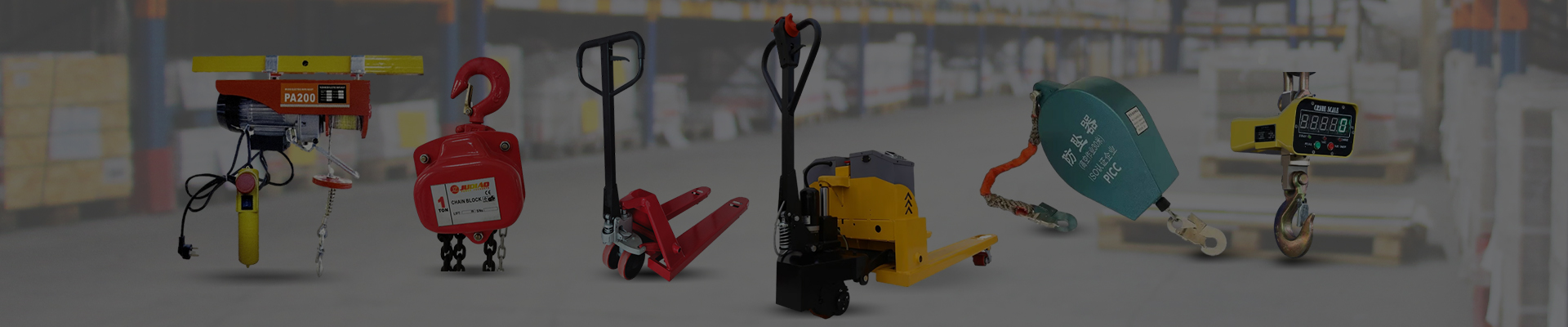


If you’ve ever seen massive loads lifted at construction sites or factories, chances are a power chain block was involved. But beyond just lifting heavy weights, the power chain block has quietly become vital in industries that rely on robust, dependable lifting mechanisms. Globally, these devices enable safer, more efficient operations — literally moving mountains of materials with ease.
Understanding power chain blocks isn’t just an industrial insider’s curiosity anymore. In an era where infrastructure development, disaster relief, and manufacturing scale rapidly worldwide, the right lifting tools are crucial — and power chain blocks fit right in the sweet spot of durability, control, and adaptability.
Mini takeaway: Power chain blocks are indispensable mechanical devices used globally for safe, heavy lifting, impacting everything from construction to humanitarian efforts.
The global industry demand for efficient material handling tools like power chain blocks mirrors the broader trends in urban growth, infrastructure expansion, and manufacturing automation. According to the International Organization for Standardization (ISO), lifting equipment standards play a huge role in improving workplace safety worldwide.
In fact, the World Bank estimates that over 55% of global GDP depends on construction and industrial manufacturing for which reliable lifting equipment is essential. The challenge? Many emerging markets suffer from equipment downtime or sub-standard lifting devices that cause delays and accidents. This is where power chain blocks step in, offering a solution that’s robust yet somewhat customizable — helping industries grow without compromising safety or efficiency.
Mini takeaway: The power chain block industry answers a global challenge: how to lift and transport heavy loads reliably and safely amidst rapid industrial growth.
So, what exactly is a power chain block? At its core, it’s a mechanical device used to lift or pull heavy loads by means of a chain loop. Unlike traditional hoists, power chain blocks generally feature a manual or motorized system that offers enhanced lifting capacity and control. They’re designed with components like load chains, sprockets, and braking mechanisms to ensure precise, secure handling.
Their relevance extends beyond factories; they’re a staple for humanitarian missions, where lifting and moving heavy supplies quickly can make the difference between success and failure. In many developing regions, the power chain block's rugged design allows it to operate in rough environments without much fuss.
Power chain block technology is a clear example of how engineering meets real-world needs, combining simplicity and strength.
Power chain blocks are often exposed to harsh conditions: rain, dust, heavy loads, and constant use. Durable materials like alloy steel chains and corrosion-resistant coatings help them withstand these stresses and maintain performance over years. It’s not just about toughness but also reliability – because when you’re lifting tons, failure is not an option.
From a few hundred kilograms to tens of tons, the size and mechanism of a power chain block dictate its load range. Manufacturers design blocks tuned to specific tasks, often certified for precise weights to comply with safety standards.
Braking systems, overload protection, and easy gripping chains all contribute to operator control and preventing accidents. Modern power chain blocks often feature automatic braking mechanisms that hold loads firmly in place without slippage.
Oddly enough, while these are heavy-duty machines, many power chain blocks are relatively compact and lightweight for their strength class. This means they can be moved around job sites by a small crew without specialized transport equipment.
Field serviceability is a big plus. Many units feature modular parts that can be replaced or serviced without dismantling the whole device — a practical design choice in remote areas or emergency contexts.
Mini takeaway: Durability, load capacity, safety, portability, and maintenance convenience define the core of an effective power chain block's design.
The power chain block’s versatility shows in its wide application spectrum:
Organizations like the UN’s logistics units and large NGOs frequently depend on power chain blocks that balance capacity and ease-of-use, helping them operate efficiently in unpredictable or rugged environments.
Beyond raw functionality, power chain blocks offer several substantial benefits:
It’s a balance of emotional and logic-based factors — workers trust their tools, and businesses count on operational uptime.
Automation and eco-conscious materials are two big themes for the future. Smart power chain blocks may soon come with IoT sensors for real-time load data and predictive alerts. Meanwhile, manufacturers are experimenting with lighter but stronger alloys and coatings that reduce corrosion without toxic chemicals.
There’s also a push to integrate greener power sources for motorized blocks and reduce the carbon footprint of manufacturing overall.
Not everything is rosy — common challenges include:
Leading vendors are addressing these by offering certified products, expanding global service networks, and providing operator training as part of their packages.
Choosing depends on your maximum load capacity, operational frequency, and environmental conditions. Always select a block certified for a weight above your heaviest load and consider features like overload protection. Consulting product specs and vendor advice can save headaches down the road.
Yes, most industrial-grade power chain blocks come with corrosion-resistant finishes and sealed components to endure rain, dust, and temperature changes. However, regular maintenance checks are vital to ensure longevity in these conditions.
Routine inspection of chains, lubrication of moving parts, and checking braking mechanisms are essential. Depending on use frequency, maintenance can range from monthly to quarterly intervals. Some vendors offer service contracts for peace of mind.
Generally yes, motorized versions have higher upfront costs due to added controls and power sources. However, for frequent or heavy-duty use, the time savings and reduced operator fatigue can justify the investment.
Absolutely. Many manufacturers offer custom hoist lengths, load capacities, and control options tailored to industries like maritime, mining, or emergency relief. Discussing your specific needs directly with vendors often yields effective solutions.
| Specification | Details |
|---|---|
| Load Capacity | 1 Ton / 2 Ton / 5 Ton variants |
| Chain Material | Alloy Steel with Zinc Coating |
| Operation | Manual or Electric Motorized |
| Brake Type | Automatic Load-Holding Brake |
| Temperature Range | -20°C to +50°C |
| Weight | Approx. 10–30 kg depending on capacity |
| Feature | Vendor A | Vendor B | Vendor C |
|---|---|---|---|
| Max Load Capacity | 20 Tons | 15 Tons | 25 Tons |
| Warranty Period | 3 Years | 2 Years | 5 Years |
| Safety Certifications | ISO 9001, CE | CE, ANSI | ISO 9001, CE, ASME |
| Availability of Spare Parts | Global | Regional | Global |
| Price Range | $$$ | $$ | $$$$ |
At the end of the day, power chain blocks are more than just lifting machines. They embody a mix of engineering, safety, and practicality that supports countless industries and communities worldwide. Investing in the right power chain block isn’t simply buying equipment — it’s purchasing enhanced efficiency, trust, and sustainability.
Curious to explore options or customize for your specific operation? Visit https://www.qyjuli.com and discover how these versatile tools can move your projects forward — quite literally.


 Afrikaans
 Albanian
 Amharic
 Arabic
 Armenian
 Azerbaijani
 Basque
 Belarusian
 Bengali
 Bosnian
 Bulgarian
 Catalan
 Cebuano
 China
China
 China (Taiwan)
 Corsican
 Croatian
 Czech
Czech
 Danish
 Dutch
Dutch
 Esperanto
 Estonian
 Finnish
 French
 Frisian
 Galician
 Georgian
 German
 Greek
Greek
 Gujarati
 Haitian Creole
 Hausa
Hausa
 Hawaiian
 Hebrew
 Hindi
Hindi
 Miao
Miao
 Hungarian
 Icelandic
 Igbo
Igbo
 Indonesian
 Irish
Irish
 Italian
 Japanese
 Javanese
 Kannada
 Kazakh
 Khmer
Khmer
 Rwandese
 Korean
 Kurdish
 Kyrgyz
 Lao
Lao
 Latin
Latin
 Latvian
 Lithuanian
 Luxembourgish
 Macedonian
 Malgashi
 Malay
Malay
 Malayalam
 Maltese
 Maori
Maori
 Marathi
 Mongolian
 Myanmar
 Nepali
 Norwegian
 Norwegian
 Occitan
 Pashto
 Persian
 Polish
 Portuguese
 Punjabi
 Romanian
 Russian
 Samoan
 Scottish Gaelic
 Serbian
 Sesotho
 Shona
Shona
 Sindhi
 Sinhala
 Slovak
 Slovenian
 Somali
 Spanish
 Sundanese
 Swahili
 Swedish
 Tagalog
 Tajik
Tajik
 Tamil
Tamil
 Tatar
Tatar
 Telugu
 Thai
Thai
 Turkish
 Turkmen
 Ukrainian
 Urdu
Urdu
 Uighur
 Uzbek
Uzbek
 Vietnamese
 Welsh
Welsh
 Bantu
Bantu
 Yiddish
 Yoruba
 Zulu
Zulu
 English