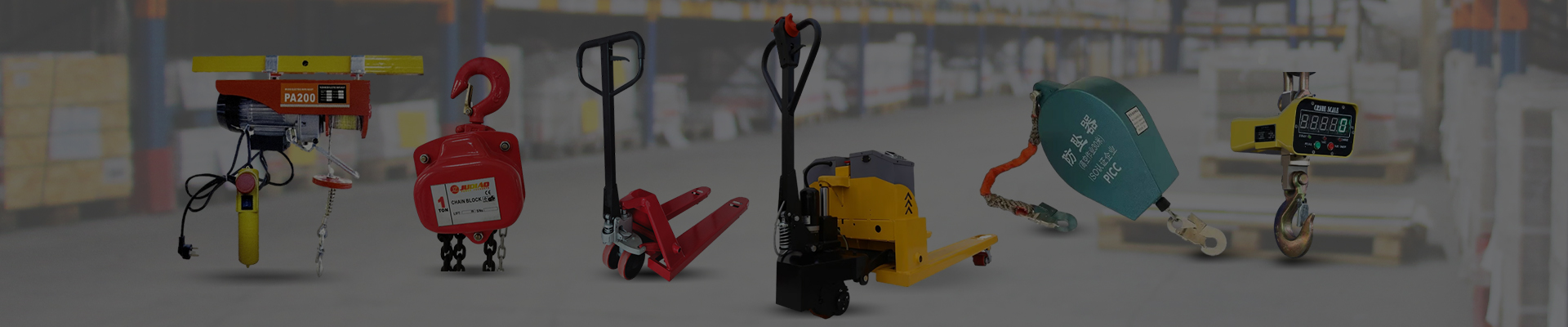


In an industry that never stops moving, the need to lift, shift, and position heavy loads safely and efficiently is universal. Enter the PA 500 electric hoist—a workhorse piece of modern machinery that's quietly revolutionizing material handling worldwide. From construction sites to manufacturing plants and disaster relief zones, understanding this tool’s potential is becoming increasingly relevant. But what makes it essential globally? And why should industry players pay attention today? Let’s break it down.
Globally, the heavy lifting sector is projected to grow exponentially, spurred by rapid urbanization and expanding infrastructure projects. According to the International Organization for Standardization (ISO), lifting equipment standards are continuously adapting to safety and efficiency demands, boosting reliable mechanical solutions like the PA 500 electric hoist.
Statistics from the World Bank suggest that developing nations are becoming hotspots for infrastructure development, where rugged and dependable equipment is not just preferred — it’s necessary. Yet, the challenge remains: how to ensure heavy load handling can be done both efficiently and safely across varied environments? The PA 500 electric hoist addresses this with unmatched adaptability and power, providing a solution that responds globally to needs that are often complex and urgent.
Mini takeaway: The PA 500 electric hoist is no mere lifting device; it’s a key enabler for global development efforts, industrial productivity, and safety compliance.
Simply put, the PA 500 electric hoist is a motor-driven lifting device designed to raise or lower heavy objects with ease. The “500” typically denotes the maximum load capacity — roughly 500 kilograms — making it well-suited for medium-duty industrial and commercial applications.
More than just a pulley and motor combo, it’s a sophisticated assembly featuring robust cables or chains, precise control systems, and safety mechanisms to prevent accidents. In modern contexts, like construction or disaster relief, the PA 500 isn’t just convenience; it can mean the difference between timely project completion or failing under pressure.
Think about it: lifting heavy building materials in a skyscraper project or moving critical relief supplies through rough terrains during emergencies — both demand tools you can trust. The PA 500 electric hoist stands at this crossroads of industry and humanitarian sectors, offering both reliability and versatility.
Many engineers say the build material is crucial. The PA 500 frame and cables typically use high-grade steel alloys treated for corrosion resistance. This means the hoist survives harsh weather and tough job sites without losing strength.
Load positioning and speed control often come with variable frequency drives (VFDs), allowing operators to raise or lower loads smoothly. For delicate tasks, this precision is life-saving; it prevents sudden jerks or swings.
Braking systems, overload sensors, and emergency stop buttons are standard. These reduce accident risks, a critical point when lifting heavy items tens of meters above ground.
Unlike larger cranes, PA 500 electric hoists can often be mounted temporarily or moved between sites. This flexibility makes them a favorite among project managers who hate being tied to bulky equipment.
Modern models incorporate energy-saving motors and smart motor controls, reducing power consumption while maintaining strength.
Simplified design means less downtime. Quick access to parts and diagnostic systems helps technicians fix issues faster.
| Specification | Details |
|---|---|
| Load Capacity | 500 kg (1100 lbs) |
| Lift Height | Up to 30 meters (98 feet) |
| Motor Power | 1.5 kW, Energy Efficient |
| Control Type | Remote Wireless + Manual |
| Safety Systems | Overload sensor, Emergency stop, Automatic brake |
| Weight | Approx. 45 kg (99 lbs) |
Mini takeaway: The PA 500 electric hoist offers an ideal blend of power, control, safety, and portability—attributes that give it broad appeal.
The versatility of the PA 500 electric hoist reveals itself when you consider its broad application. In densely packed European construction sites, these hoists save time by swiftly moving tools and building components vertically. In Southeast Asia's expanding manufacturing sector, they speed up assembly line processes.
Even more strikingly, in post-disaster relief operations — say after an earthquake or flooding — PA 500 hoists help transport aid materials into hard-to-reach areas where standard cranes can't go. NGOs and emergency teams rely on them to set up temporary shelters and infrastructure with agility.
Remote industrial zones, such as mining operations in Africa or oil rigs in the North Sea, benefit from the hoist’s ruggedness and compact size. It’s all about fitting the tool to the task, smooth mobility, and no fuss.
Cost-wise, a PA 500 hoist balances affordability with longevity. Its energy-efficient design slashes operational bills, while its robust build means fewer replacements. In the long term, this saves assets and reduces waste.
From a sustainability standpoint, less energy use and minimized downtime translate into smaller carbon footprints—critical as industries globally commit to greener practices. Plus, its safety features reduce accident-related costs and build trust on-site, improving morale and compliance.
Let’s not overlook the human side: workers operating with dependable equipment feel safer and more respected. There’s dignity in that, which oddly enough is often overlooked in conversations about machinery.
The PA 500 is evolving with smart automation and IoT integration, allowing remote monitoring of load metrics to prevent misuse and alert maintenance needs instantly. Imagine a hoist that “talks” to you before it breaks down!
Emerging materials like carbon composites are also shaping up to make hoists lighter yet stronger, enhancing portability further. And with solar- or hybrid-powered sites on the rise, energy efficiency will leap beyond motors to whole-system sustainability.
Policy frameworks like ISO 9001 and occupational safety rules increasingly favor such technological advances, pushing manufacturers to innovate without losing reliability.
Despite its strengths, the PA 500 electric hoist isn’t perfect. Power outages can limit use in remote areas unless backup systems are ready. Cable wear is a known weak spot requiring regular inspection.
Many operators now use predictive maintenance algorithms to monitor wear and schedule upkeep—an approach that cuts downtime. Also, training programs have improved user competency, reducing human error in tension settings and controls.
| Vendor | Price Range | Warranty | Key Features |
|---|---|---|---|
| Juli Industrial | $900 - $1200 | 2 Years | Wireless remote, Overload protection, Energy efficient motor |
| MechLift Corp. | $850 - $1100 | 1.5 Years | Variable speed control, Compact design |
| LiftMaster Pro | $1000 - $1300 | 3 Years | Automatic brake system, Enhanced safety sensors |
The PA 500 model is rated for loads up to 500 kilograms (about 1100 pounds). It’s crucial not to exceed this limit since overload can damage the equipment and increase accident risk.
Yes, many PA 500 hoists are IP-rated for dust and water resistance, but it’s always wise to check the exact specification. Regular maintenance also ensures durability under such conditions.
Definitely. Most modern units come with wireless remote controls, allowing operators to handle lifts safely from a distance—perfect for tricky or hazardous situations.
Routine inspections include checking cables or chains for wear, lubricating moving parts, testing brake functionality, and keeping electrical components dry and dust-free.
You can explore options like pa 500 electric hoist suppliers who offer verified products, warranties, and after-sales support. Choosing a vendor with good reviews is key.
For anyone serious about material handling, the PA 500 electric hoist isn’t just an option — it’s a necessity that blends power, safety, and efficiency. From bustling construction sites in Europe to remote disaster relief fronts, this hoist helps to get the job done without compromise.
It embodies an engineering balance that’s rare—built tough but smooth in operation, reliable yet adaptable. If lifting heavy loads safely and cost-effectively is your priority, look no further than trusted providers like those found at pa 500 electric hoist. Explore, compare, and see how this machine can elevate your project’s performance.
References:


 Afrikaans
 Albanian
 Amharic
 Arabic
 Armenian
 Azerbaijani
 Basque
 Belarusian
 Bengali
 Bosnian
 Bulgarian
 Catalan
 Cebuano
 China
China
 China (Taiwan)
 Corsican
 Croatian
 Czech
Czech
 Danish
 Dutch
Dutch
 Esperanto
 Estonian
 Finnish
 French
 Frisian
 Galician
 Georgian
 German
 Greek
Greek
 Gujarati
 Haitian Creole
 Hausa
Hausa
 Hawaiian
 Hebrew
 Hindi
Hindi
 Miao
Miao
 Hungarian
 Icelandic
 Igbo
Igbo
 Indonesian
 Irish
Irish
 Italian
 Japanese
 Javanese
 Kannada
 Kazakh
 Khmer
Khmer
 Rwandese
 Korean
 Kurdish
 Kyrgyz
 Lao
Lao
 Latin
Latin
 Latvian
 Lithuanian
 Luxembourgish
 Macedonian
 Malgashi
 Malay
Malay
 Malayalam
 Maltese
 Maori
Maori
 Marathi
 Mongolian
 Myanmar
 Nepali
 Norwegian
 Norwegian
 Occitan
 Pashto
 Persian
 Polish
 Portuguese
 Punjabi
 Romanian
 Russian
 Samoan
 Scottish Gaelic
 Serbian
 Sesotho
 Shona
Shona
 Sindhi
 Sinhala
 Slovak
 Slovenian
 Somali
 Spanish
 Sundanese
 Swahili
 Swedish
 Tagalog
 Tajik
Tajik
 Tamil
Tamil
 Tatar
Tatar
 Telugu
 Thai
Thai
 Turkish
 Turkmen
 Ukrainian
 Urdu
Urdu
 Uighur
 Uzbek
Uzbek
 Vietnamese
 Welsh
Welsh
 Bantu
Bantu
 Yiddish
 Yoruba
 Zulu
Zulu
 English