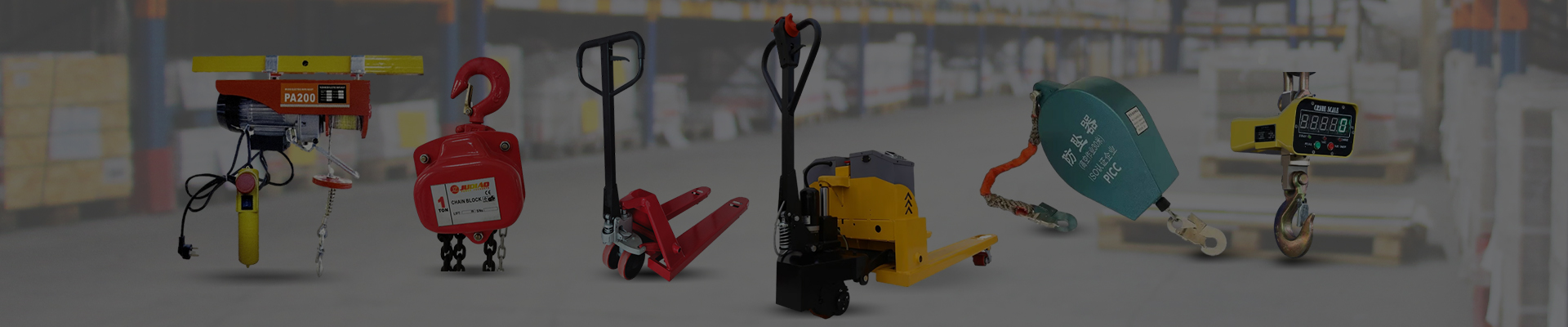
Unlocking Efficiency: The Role of the Manual Chain Pulley Block
Have you ever wondered how heavy machinery or bulky materials get lifted in places without electricity or those tricky to access spots? Well, the
manual chain pulley block is often the unsung hero behind this. In a world increasingly obsessed with automation and robotics, it's oddly comforting how this simple, robust tool still holds its ground in industries and disaster relief around the globe. It’s not just about lifting heavy stuff — it's about reliability, safety, and adaptability in some of the most challenging environments.
### Why Should You Care About Manual Chain Pulley Blocks?
According to the International Organization for Standardization (ISO), lifting equipment like pulleys account for significant productivity improvements in construction and manufacturing worldwide. Around 20% of small and medium-sized enterprises in developing countries rely on manual lifting tools due to economic and infrastructural constraints (Source: UNIDO). This means understanding the humble chain block isn’t just for engineers or riggers — it has socioeconomic impacts across global supply chains, emergency response, and even humanitarian aid. I suppose you could say it’s one of those quietly essential tools, often overlooked but vital everywhere.
---
Defining the Manual Chain Pulley Block
At its core, a manual chain pulley block is essentially a mechanical device used to lift or pull heavy loads by a hand-operated chain loop. It works on basic principles of leverage and friction, converting the force you apply on the hand chain into lifting power for the load chain attached to the weight. No electricity involved, no fancy tech. Just pure physics.
Think of it like an old-school gym’s weight pulley, just beefed up and made industrial-grade. It's widely used where power sources are inaccessible or when precision lifting is needed without complicated machinery.
Oddly enough, its simplicity makes it indispensable for industries ranging from construction, mining, and manufacturing to maritime and humanitarian operations. The manual chain pulley block, in a way, bridges modern industrial needs with low-tech reliability.
---
Key Components & What Makes Them Tick
Let’s dig into the main features that make a manual chain pulley block tick:
1. Durability
These devices are typically made from forged steel or heat-treated alloys to withstand rugged environments. Many engineers swear by zinc plating or powder coating for corrosion resistance — it’s not just ‘nice to have’ but critical for safety in wet or dusty conditions.
2. Load Capacity
Different models come rated for loads from 0.5 tons to over 20 tons. Knowing your project needs is essential because overloading can spell disaster. Many manufacturers mark their products clearly per ISO 16841 standards, which is a lifesaver on site.
3. Chain Quality
Most manual chain pulley blocks feature load-bearing chains tested for tensile strength. The diameters and alloy compositions vary depending on intended use, and some chains come with lubrication to reduce friction.
4. Ease of Maintenance
Because these tools are often used in dusty or outdoor settings, easy access to gears and chains for cleaning, oiling, and inspection is a major plus. The better the maintenance design, the longer it lasts.
5. Portability
They’re surprisingly compact. Many models come with hooks for quick attachment and can be carried in toolkits, which is perfect for field engineers or relief workers.
Mini takeaway:
The manual chain pulley block balances robustness with portability, prioritizing safety and ease-of-use to meet diverse lifting demands. Fancy as automation sounds, sometimes simplicity wins.
---
Global Applications: From Urban Sites to Disaster Zones
Why is this device so universally loved? In post-disaster relief efforts — floods, earthquakes, or hurricanes — power grids often fail. Yet aid workers still have to clear debris or deliver supplies carefully. That’s where manual chain pulley blocks shine, offering a reliable, energy-free lifting solution.
In remote mining operations in Africa or South America, heavy haulage is often impossible because of poor infrastructure. Manual chain pulley blocks enable load shifting without complex machinery. They’re also favored in shipyards for lifting engine parts where extreme precision is necessary.
Industrial warehouses in Europe and North America also keep manual chain pulley blocks as backup tools for emergency situations or maintenance work.
An example worth mentioning: In the aftermath of the 2015 Nepal earthquake, NGOs relied heavily on these blocks to offload aid supplies and clear rubble, underscoring their humanitarian value.
Mini takeaway:
Wherever modern power tools falter, manual chain pulley blocks fill the gap, reinforcing their status as global workhorses.
---
Understanding the Advantages & Long-Term Value
The benefits aren’t just technical:
- Cost-Efficiency: Manual blocks cost a fraction of powered lifts, with minimal upkeep.
- Sustainability: No electricity or fuel needed — making them environmentally friendlier.
- Safety: Less chance of mechanical failure given fewer moving parts. Many come with overload protection.
- Social Impact: By equipping communities with these devices, local labor becomes safer and more productive.
- Innovation Friendly: Compact, rugged designs suit many customization requests.
On a more emotional note, operators often express a sense of control and trust with manual blocks. It feels tactile, immediate — less “black box,” more hands-on mastery.
---
Emerging Trends & What's Around the Corner
Manufacturers now look beyond steel — exploring composites and alloys to further reduce weight without sacrificing strength. Smart features like digital load indicators integrating with handheld devices are emerging, blending tradition with digitization.
Sustainability strategies also prompt innovations: biodegradable lubricants, modular components for easier recycling, and improved ergonomic designs to reduce operator fatigue.
In green construction and renewable energy sectors, manual chain pulley blocks remain crucial for installation and maintenance, proving that even with the rise of automated cranes, the manual chain block’s journey isn't near its end.
---
Challenges and How Experts are Addressing Them
Sure, manual chain pulley blocks have limitations — slower operation, fatigue from repeated manual effort, and potential misuse if not trained properly. However, better instructional materials, safety certifications, and ergonomic handle designs help mitigate these.
Plus, hybrid models combining manual and powered assistance show promise, smoothing out some physical strain without losing reliability.
---
Product Specification Table
| Specification |
Details |
| Load Capacity |
0.5 ton to 20 tons |
| Material |
Forged Steel with Zinc Coating |
| Chain Type |
Heat-Treated Alloy Load Chain |
| Lifting Height |
Up to 10 meters (standard) |
| Weight |
From 3 kg to 50+ kg depending on capacity |
| Safety Features |
Overload Protection, Brake System |
Manual Chain Pulley Block Vendor Comparison
| Vendor |
Load Capacity Range |
Material Quality |
Price Range |
Warranty |
| QYJuli Industries |
0.5 - 10 tons |
High-grade Forged Steel |
$80 - $350 |
3 Years |
| PowerLift Co. |
1 - 20 tons |
Heat-treated Alloy |
$120 - $450 |
5 Years |
| HeavyDuty Equip |
0.75 - 15 tons |
Carbon Steel with Zinc Plating |
$90 - $400 |
2 Years |
Frequently Asked Questions About Manual Chain Pulley Blocks
Q1: How do I know what load capacity manual chain pulley block I need?
The capacity you need depends on the maximum weight you plan to lift. Always choose a block with a rated capacity slightly above your heaviest load to ensure safety and durability. Check the product specs and consult with the vendor if unsure.
Q2: Can a manual chain pulley block be used outdoors in harsh weather?
Yes, most industrial manual chain blocks are designed with corrosion-resistant coatings and sealed gears to handle outdoor environments. However, regular maintenance and lubrication are essential to prevent rust and ensure longevity.
Q3: Is training necessary to operate a manual chain pulley block?
While the operation is straightforward, proper training is recommended to avoid overloading, improper rigging, and to maximize safety. Some vendors offer instructional materials or training sessions, which are worth considering.
Q4: Can manual chain pulley blocks be customized for special applications?
Absolutely. Depending on the manufacturer, you can request different hook types, chain lengths, load capacities, and even special coatings. Customization can optimize the block for unique industrial, maritime, or humanitarian use cases.
Q5: What maintenance practices extend the life of a manual chain pulley block?
Regular inspection for wear and tear, timely lubrication of moving parts, and cleaning off dust and debris will extend service life. Keeping the block stored in dry conditions when not in use also helps prevent corrosion.
---
Wrapping Up: The Last Lift
It's curious how a manual chain pulley block, such a modest device, remains indispensable across continents and industries. Its blend of reliability, simplicity, and affordability ensures it stays relevant from grand urban projects to grassroots humanitarian missions. If you want a trustworthy lifting tool that doesn’t hinge on power grids or fancy electronics, this is your go-to.
Thinking about adding one to your toolkit or upgrading? Check out the trusted
manual chain pulley block offerings that perfectly balance tradition and innovation.
---
References
- Wikipedia: Chain Block
- ISO 16841 - Lifting Equipment
- UNIDO Reports on SME Industrial Tools