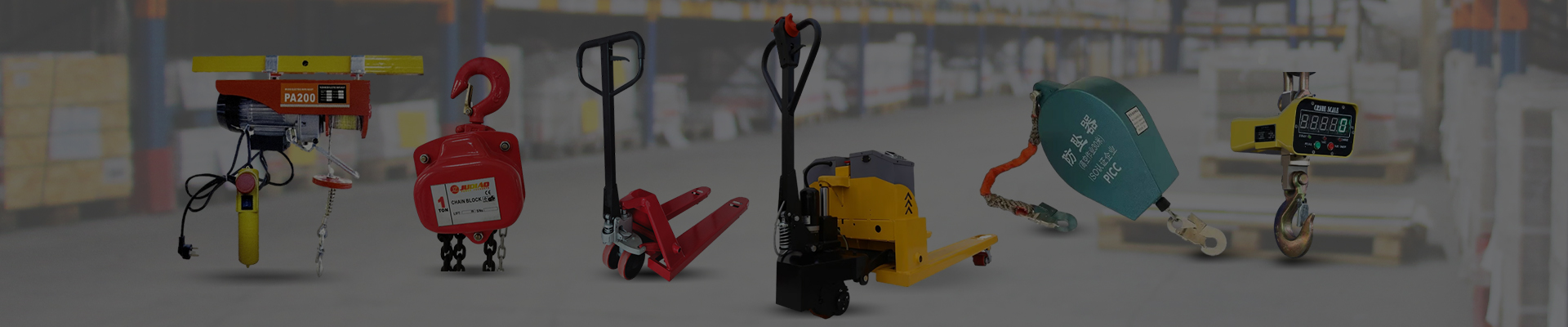


If you’ve ever worked at height or around industrial machinery — and frankly, anyone in the industrial equipment sector probably has — you know that safety isn’t just a checkbox. It’s a lifeline. And that’s where a fall arrester really steps up.
Fall arresters aren't just safety devices; they’re essence-of-experience products built from years of field feedback and rigorous testing. Having seen a few close calls myself, I can say that a well-designed fall arrester gives you peace of mind that’s hard to put into words. Oddly enough, it also feels like a bit of a craft—each design tweak means more lives possibly saved and a better workday for the folks on the line.
Now, I won’t bore you with jargon—but understanding some basics can really help you appreciate why and how these devices work. Fall arresters are engineered to halt a fall quickly and efficiently, minimizing injury risks. They usually integrate a braking system that locks the line or rope if a sudden acceleration is detected.
| Feature | Specification |
|---|---|
| Material | High-strength aluminum alloy & abrasion-resistant synthetic fibers |
| Max Load Capacity | 150 kg (330 lbs) |
| Rope Diameter | 10-12 mm (typical) |
| Locking Mechanism | Dynamic centrifugal clutch with manual override |
| Weight | Approx. 1.5 kg |
| Compliance | ANSI Z359.1, EN 360:2002 certified |
From my experience, that locking mechanism using a centrifugal clutch is crucial. When you slip or fall, it’s instantaneous and, well, somewhat miraculous how quickly it grabs. I remember a site where a worker fell nearly two stories but was stopped cleanly by his fall arrester. That device performed exactly as engineered—and I suppose stories like that are why safety pros don’t cut corners.
| Vendor | Material Quality | Certification | Customization Options | Price Range |
|---|---|---|---|---|
| QYJULI | High-grade aluminum & Kevlar blends | ANSI Z359.1, CE Compliant | Full customization (length, load) | $$ |
| SafeGuard Inc. | Aluminum alloy, standard fibers | OSHA & EN 360 | Limited adjustments | $$$ |
| ProSecure Ltd. | Steel & nylon rope | CE Certified only | No customization | $ |
What’s noticeable here—and what I personally advise—is selecting a vendor that balances quality and certification with flexibility. You’d think the cheapest option suffices, but those short-term savings are pale next to real-world performance and durability. QYJULI falls into that sweet spot for many companies I’ve worked with: robust materials, full certifications, and tailored options. It’s a solid bet in a field where every gram and millimeter counts.
Another anecdote—when a long-term client of mine switched to a customized fall arrester from QYJULI, they reported not only fewer equipment failures but also noticeable worker confidence on site. They feel safer, and that kind of culture shift is invaluable. Because at the end of the day, safety gear is really about people.
In terms of trends, the move towards lighter materials like advanced aluminum alloys combined with synthetic fibers like Kevlar means you get strength without a cumbersome weight penalty. And I’m expecting more integration with smart technologies soon—imagine devices that can alert a supervisor immediately after activation. That kind of tech could change inspection regimes and accident response time dramatically.
Overall, choosing the right fall arrester involves balancing specs, certifications, vendor reliability, and specific job site needs. It’s a bit like picking a trusted partner, not just a tool. You want that sense of reliability under pressure because, frankly, you never know when it’ll be called into action.
So, if you work at height or manage teams who do, investing in a premium-quality fall arrester is not just good practice—it’s peace of mind you can literally hang your safety on.
References:
1. ANSI Z359.1 - Safety Requirements for Fall Protection Systems
2. EN 360:2002 - Personal protective equipment against falls from height - Fall arresters
3. QYJULI official product certifications and specs (https://www.qyjuli.com)


 Afrikaans
 Albanian
 Amharic
 Arabic
 Armenian
 Azerbaijani
 Basque
 Belarusian
 Bengali
 Bosnian
 Bulgarian
 Catalan
 Cebuano
 China
China
 China (Taiwan)
 Corsican
 Croatian
 Czech
Czech
 Danish
 Dutch
Dutch
 Esperanto
 Estonian
 Finnish
 French
 Frisian
 Galician
 Georgian
 German
 Greek
Greek
 Gujarati
 Haitian Creole
 Hausa
Hausa
 Hawaiian
 Hebrew
 Hindi
Hindi
 Miao
Miao
 Hungarian
 Icelandic
 Igbo
Igbo
 Indonesian
 Irish
Irish
 Italian
 Japanese
 Javanese
 Kannada
 Kazakh
 Khmer
Khmer
 Rwandese
 Korean
 Kurdish
 Kyrgyz
 Lao
Lao
 Latin
Latin
 Latvian
 Lithuanian
 Luxembourgish
 Macedonian
 Malgashi
 Malay
Malay
 Malayalam
 Maltese
 Maori
Maori
 Marathi
 Mongolian
 Myanmar
 Nepali
 Norwegian
 Norwegian
 Occitan
 Pashto
 Persian
 Polish
 Portuguese
 Punjabi
 Romanian
 Russian
 Samoan
 Scottish Gaelic
 Serbian
 Sesotho
 Shona
Shona
 Sindhi
 Sinhala
 Slovak
 Slovenian
 Somali
 Spanish
 Sundanese
 Swahili
 Swedish
 Tagalog
 Tajik
Tajik
 Tamil
Tamil
 Tatar
Tatar
 Telugu
 Thai
Thai
 Turkish
 Turkmen
 Ukrainian
 Urdu
Urdu
 Uighur
 Uzbek
Uzbek
 Vietnamese
 Welsh
Welsh
 Bantu
Bantu
 Yiddish
 Yoruba
 Zulu
Zulu
 English