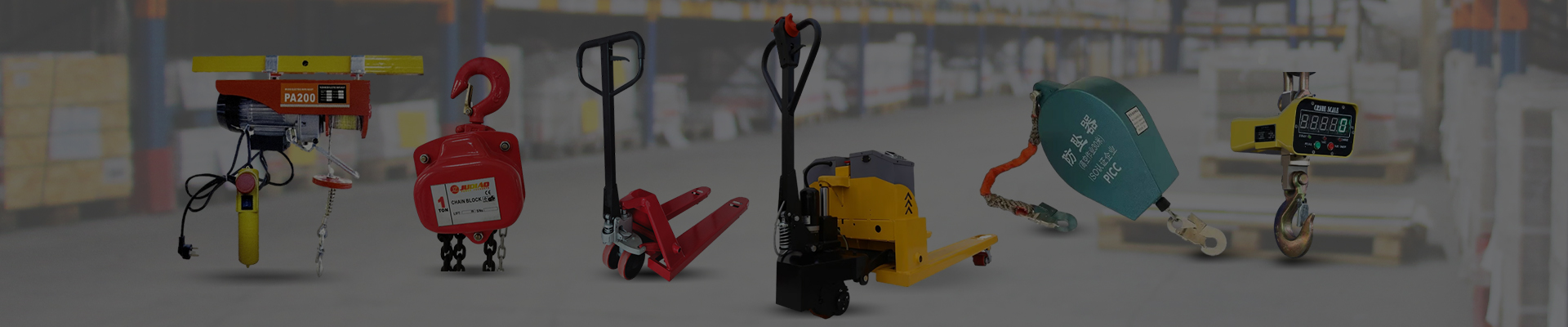


At first glance, chain block operation might sound like a niche topic reserved for industrial engineers or construction workers, but it’s actually a fundamental technique that powers countless industries worldwide. From building skyscrapers to organizing post-disaster relief efforts, chain blocks help us lift, move, and position heavy loads safely and efficiently. Knowing how these mechanisms work—and why they matter globally—can be surprisingly eye-opening.
Heavy lifting is a global industrial staple. In fact, according to the International Organization for Standardization (ISO), millions of tons of cargo and equipment rely on lifting gear like chain blocks annually. Particularly in sectors like construction, manufacturing, and logistics, reliable lifting solutions directly impact productivity—not to mention safety. Moreover, in humanitarian contexts, chain block systems facilitate swift setup of critical infrastructure, like shelters and supply depots.
But here’s the challenge: improper handling or subpar equipment can cause accidents or costly delays. That’s where a thorough understanding of chain block operation becomes essential to industry leaders and field technicians alike.
Simply put, a chain block (or chain hoist) is a manual or powered lifting device that uses chains and a system of gears and pulleys to amplify force, allowing a user to lift heavy loads with minimal effort. Think of it as a lever system wrapped inside a durable metal casing with a chain that you pull to lift or lower cargo steadily.
Its elegance lies in simplicity—and robustness. In modern industry, it’s indispensable for tasks demanding precise control over load positioning, whether that’s raising a steel beam or suspending electrical equipment. Beyond industrial uses, this operation method proves vital in emergency and humanitarian scenarios, where quick, reliable rigging can aid in disaster response and infrastructure rebuilding.
The backbone of any effective chain block is durability. Constructed from high-tensile steel chains and rugged alloy bodies, these devices are engineered to withstand harsh environments—whether freezing cold, extreme heat, or heavy dust. The better the material grade, the safer and longer-lasting the tool.
Chain block operation revolves around capacity. These devices often have maximum rated loads ranging from a few hundred kilograms up to tens of tons. Choosing the right capacity ensures safety and efficiency—overloading can risk equipment failure or accidents.
Oddly enough, ergonomics matter a lot here. A chain block needs to allow smooth chain movement, minimal friction, and reliable braking systems. Comfort reduces operator fatigue, especially in extended or repetitive tasks.
In many industries, portability is key. Chain blocks come in compact sizes and weight profiles, making them ideal for remote sites, temporary operations, or mobile use cases.
Regular lubrication, chain inspection, and load testing are crucial. A well-maintained chain block will serve for years, whereas neglect can lead to dangerous breakdowns.
| Specification | Details |
|---|---|
| Load Capacity | 2 Tons |
| Chain Material | Alloy Steel |
| Lift Height | 3 meters |
| Weight | 15 kg |
| Operation Type | Manual Pull |
In real terms, chain blocks turn up in some unexpected places worldwide. Construction firms in Asia harness them for rapid assembly of high-rise skeletons, while mining operations in South America use them to maneuver heavy equipment underground.
Humanitarian organizations in Africa depend on chain block systems for deploying modular shelters and water tanks quickly after natural disasters. Even in remote industrial zones across Australia, the portability and reliability of chain blocks make them invaluable.
Oddly enough, even maritime shipping vessels rely heavily on these mechanisms for cargo handling when cranes aren’t available or feasible.
| Vendor | Load Capacity Range | Build Material | Warranty | Price Range |
|---|---|---|---|---|
| LiftPro | 0.5 - 10 Tons | Alloy Steel | 3 Years | $$$ |
| HoistMaster | 1 - 5 Tons | Carbon Steel | 2 Years | $$ |
| SafeLift | 0.75 - 8 Tons | Stainless Steel | 5 Years | $$$$ |
Frankly, the benefits go beyond just lifting heavy things. Chain blocks offer a mix of safety, reliability, and cost-efficiency that frameworks across industries crave. By reducing the physical strain on workers and minimizing the risk of dropping heavy loads, they uphold workplace safety standards—a fundamental human dignity.
From an economic angle, investing in a quality chain block reduces downtime and maintenance costs. It’s a tool that pays for itself over years of service. And let’s not forget sustainability: better tools mean fewer replacements, less waste, and, oddly enough, a smaller carbon footprint.
With digitalization creeping into every industry corner, chain block operation is no exception. Smart chain hoists embedded with load sensors and IoT connectivity are already emerging. These features enable remote monitoring, predictive maintenance, and enhanced safety controls.
On the materials front, manufacturers explore lighter, stronger composites and corrosion-resistant alloys, further enhancing durability and portability. There’s also a push to integrate green energy sources to power electric hoists, aligning with global sustainability goals. So, it’s a vibrant area of innovation—mostly quiet, but quietly transformative.
Of course, no system is foolproof. Common issues include chain wear, brake failures, and operator misuse, all of which threaten safety. However, regular training, strict adherence to load limits, and advanced inspection technologies can mitigate these risks remarkably well.
Moreover, modular designs and easy-to-replace parts help technicians fix problems swiftly, minimizing operational downtime. Many engineers recommend combining manual inspections with digital diagnostics for the best outcomes.
A: Yes. Electric chain hoists automate lifting and lowering, incorporating safety features like overload protection and remote control. This enhances precision and reduces operator fatigue.
A: Always adhere to load limits, use personal protective equipment, ensure secure anchoring points, and never disengage braking systems. Proper training is, frankly, non-negotiable.
A: Yes. Many models are rated for outdoor use with rust-resistant coatings and sealed components, but regular maintenance is vital to counter wear from exposure.
Understanding the ins and outs of chain block operation reveals much more than just how a heavy load gets lifted. It’s about safety, efficiency, and ultimately empowering industries and humanitarian efforts across the globe. Whether you’re a field technician, a project manager, or an NGO worker, grasping this concept helps you appreciate an unsung hero of industry that quietly moves the world forward.
If you want to delve deeper or explore reliable products, visit our website: https://www.qyjuli.com.
Oddly enough, sometimes the simplest tools end up being the most critical.


 Afrikaans
 Albanian
 Amharic
 Arabic
 Armenian
 Azerbaijani
 Basque
 Belarusian
 Bengali
 Bosnian
 Bulgarian
 Catalan
 Cebuano
 China
China
 China (Taiwan)
 Corsican
 Croatian
 Czech
Czech
 Danish
 Dutch
Dutch
 Esperanto
 Estonian
 Finnish
 French
 Frisian
 Galician
 Georgian
 German
 Greek
Greek
 Gujarati
 Haitian Creole
 Hausa
Hausa
 Hawaiian
 Hebrew
 Hindi
Hindi
 Miao
Miao
 Hungarian
 Icelandic
 Igbo
Igbo
 Indonesian
 Irish
Irish
 Italian
 Japanese
 Javanese
 Kannada
 Kazakh
 Khmer
Khmer
 Rwandese
 Korean
 Kurdish
 Kyrgyz
 Lao
Lao
 Latin
Latin
 Latvian
 Lithuanian
 Luxembourgish
 Macedonian
 Malgashi
 Malay
Malay
 Malayalam
 Maltese
 Maori
Maori
 Marathi
 Mongolian
 Myanmar
 Nepali
 Norwegian
 Norwegian
 Occitan
 Pashto
 Persian
 Polish
 Portuguese
 Punjabi
 Romanian
 Russian
 Samoan
 Scottish Gaelic
 Serbian
 Sesotho
 Shona
Shona
 Sindhi
 Sinhala
 Slovak
 Slovenian
 Somali
 Spanish
 Sundanese
 Swahili
 Swedish
 Tagalog
 Tajik
Tajik
 Tamil
Tamil
 Tatar
Tatar
 Telugu
 Thai
Thai
 Turkish
 Turkmen
 Ukrainian
 Urdu
Urdu
 Uighur
 Uzbek
Uzbek
 Vietnamese
 Welsh
Welsh
 Bantu
Bantu
 Yiddish
 Yoruba
 Zulu
Zulu
 English