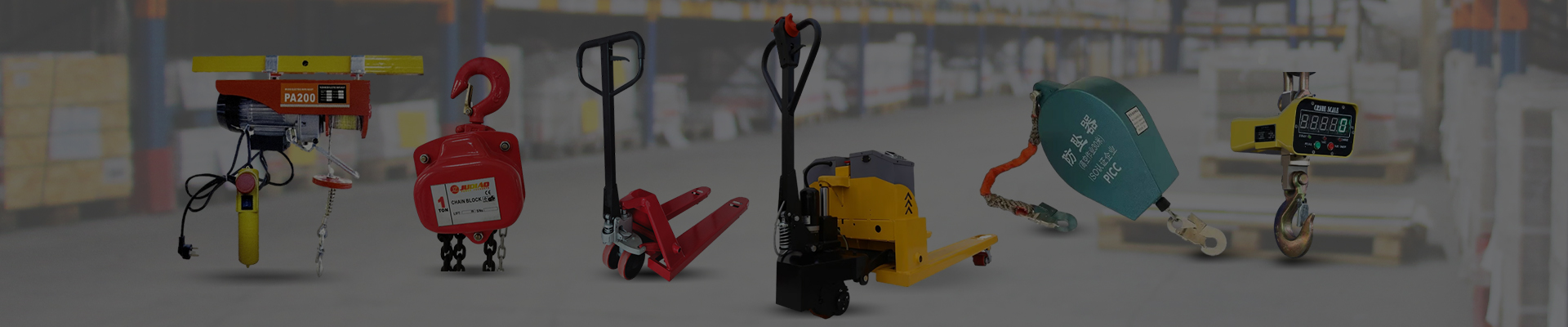


Chain blocks might not grab headlines daily, but when you need reliable lifting—be it in industrial plants, construction sites, or remote relief operations—knowing the 3 ton chain block price can save your project or even a life. Globally, these devices are the workhorses used to hoist heavy loads safely and cost-effectively. Understanding their pricing isn’t just about dollars and cents; it tells a story about quality, durability, and trustworthiness in diverse environments.
From bustling manufacturing hubs in Southeast Asia to remote mining operations in South America, lifting equipment like a 3 ton chain block is indispensable. The International Labour Organization estimates that mechanical lifting devices reduce workplace injuries by up to 50%. Yet, many smaller enterprises and NGOs wrestle with balancing cost and quality when sourcing these devices.
Prices reflect more than just materials—they’re shaped by global raw material trends, labor costs, manufacturing standards (think ISO 9001 compliance), and shipping logistics. A fair price that matches quality ensures safer lifting, fewer downtime hours, and ultimately, better productivity. On the flip side, cutting corners or ignoring pricing signals could lead to accidents or costly replacements.
Understanding the 3 ton chain block price isn’t just for accountants—it's key for safety, efficiency, and long-term planning worldwide.
Simply put, the 3 ton chain block price is the cost you pay to acquire a mechanical hoist capable of lifting loads up to three metric tons using a chain and sprocket mechanism. This tool is a staple in industries requiring controlled vertical lifting without the need for electric power.
Why is this important? Because many operations—whether humanitarian aid deliveries in a flooded region or assembly lines in automotive plants—need dependable equipment that won’t falter under heavy strain. The price you pay reflects the block's build quality, safety certifications, functional features like chain length or speed, and sometimes after-sales support.
The chain and gears often use heat-treated alloy steel to resist wear and corrosion. Blocks with higher-grade steel and hardened components tend to cost more but last longer. Practically, they mean fewer replacements in harsh environments like saltwater ports or dusty quarries.
Modern chain blocks incorporate overload protection, secure braking systems, and tested load chains. These features add to price but ensure compliance with health and safety laws and minimize accidents. You generally get what you pay for here.
Manufacturers with ISO certification or compliance with ASME standards usually reflect that in pricing. Trusted brands with reliable warranty policies might be pricier upfront but reduce headaches down the road.
Longer chains and faster lift rates influence price. If you’re lifting loads higher than usual or on tight schedules, these upgrades make sense but add cost.
Need custom hooks, special paint coatings, or local servicing options? All these extras add to the final invoice but can pay off in increased uptime and equipment lifespan.
The price tag on a 3 ton chain block encodes its strength, safety, and how well it fits your specific needs. It’s rarely about just snagging the cheapest one.
| Specification | Details |
|---|---|
| Lifting Capacity | 3 tons (3000 kg) |
| Load Chain Material | Alloy steel, heat treated |
| Standard Lift Height | 3 meters (customizable) |
| Brake Type | Mechanical load brake |
| Weight | Approx. 25 kg |
| Compliance | ISO 9001, ASME B30.16 |
| Vendor | Price Range (USD) | Warranty | Unique Selling Point |
|---|---|---|---|
| StrongLift Co. | $150 - $220 | 2 years | Heavy-duty alloy chain, corrosion resistance |
| QuickHoist Ltd. | $130 - $200 | 1 year | Lightweight design, faster lift speed |
| GlobalLift Systems | $175 - $250 | 3 years | ISO certified, premium warranty, customized chains |
Oddly enough, these chain blocks quietly underpin some of the most demanding jobs. In sprawling construction sites across Europe and Asia, they are everyday heroes hoisting steel beams or heavy machinery. In humanitarian efforts—think earthquake response in Nepal or flood recovery in Bangladesh—they allow teams to rapidly clear rubble or position supplies where trucks cannot reach.
Mining operations in Africa rely heavily on them underground, where electric alternatives are risky or impractical. Even in the entertainment world, rigging crews use chain blocks to hang large lighting rigs or scenery safely. It’s one of those tools that cross industries with ease, and its price is often a barometer of exactly how tough the block is meant to be.
The 3 ton chain block price reflects its flexibility, reliability, and proven track record across countless tough scenarios worldwide.
At first glance, hunting the lowest price could seem smart. But many engineers swear by the old adage: “Buy it once, cry once.” The reliability brought by quality components reduces workplace accidents and equipment downtime — both costly hidden factors.
Plus, investing in safety features has emotional value too — nothing beats knowing your crew works with trusted gear. The 3 ton chain block price also trends with sustainability; durable tools mean less waste and fewer replacements, an increasing priority globally.
Manufacturers are now blending traditional mechanical designs with digital safety tech. For example, built-in load sensors alert operators to overload risks. Materials science advances include ultra-lightweight alloys that don’t sacrifice strength, improving portability without increasing price much.
There’s also growing pressure for environmentally friendly production—think recycled steel and eco-friendly coatings. Automation in lifting equipment, though mostly for powered hoists now, may trickle down smart controls to chain blocks, improving precision and reducing user fatigue.
Chain blocks are simple yet can falter under neglect or inappropriate use. Issues like chain corrosion or brake wear raise risks. Many vendors now provide clearer maintenance guides and offer affordable inspection services to prevent failures before they happen. Some also train buyers at no extra cost—because frankly, a chain block in expert hands prolongs both life and safety.
To wrap up, the 3 ton chain block price isn’t just a number on a quote sheet—it's a reflection of engineering, safety, and global supply dynamics. Choosing wisely can boost not only your operational safety and efficiency but safeguard your workforce and long-term spend. If you’re browsing options, feel free to dive deeper at 3 ton chain block price to discover smart buys suited to your needs. After all, lifting three tons safely and smoothly should come without surprises.


 Afrikaans
 Albanian
 Amharic
 Arabic
 Armenian
 Azerbaijani
 Basque
 Belarusian
 Bengali
 Bosnian
 Bulgarian
 Catalan
 Cebuano
 China
China
 China (Taiwan)
 Corsican
 Croatian
 Czech
Czech
 Danish
 Dutch
Dutch
 Esperanto
 Estonian
 Finnish
 French
 Frisian
 Galician
 Georgian
 German
 Greek
Greek
 Gujarati
 Haitian Creole
 Hausa
Hausa
 Hawaiian
 Hebrew
 Hindi
Hindi
 Miao
Miao
 Hungarian
 Icelandic
 Igbo
Igbo
 Indonesian
 Irish
Irish
 Italian
 Japanese
 Javanese
 Kannada
 Kazakh
 Khmer
Khmer
 Rwandese
 Korean
 Kurdish
 Kyrgyz
 Lao
Lao
 Latin
Latin
 Latvian
 Lithuanian
 Luxembourgish
 Macedonian
 Malgashi
 Malay
Malay
 Malayalam
 Maltese
 Maori
Maori
 Marathi
 Mongolian
 Myanmar
 Nepali
 Norwegian
 Norwegian
 Occitan
 Pashto
 Persian
 Polish
 Portuguese
 Punjabi
 Romanian
 Russian
 Samoan
 Scottish Gaelic
 Serbian
 Sesotho
 Shona
Shona
 Sindhi
 Sinhala
 Slovak
 Slovenian
 Somali
 Spanish
 Sundanese
 Swahili
 Swedish
 Tagalog
 Tajik
Tajik
 Tamil
Tamil
 Tatar
Tatar
 Telugu
 Thai
Thai
 Turkish
 Turkmen
 Ukrainian
 Urdu
Urdu
 Uighur
 Uzbek
Uzbek
 Vietnamese
 Welsh
Welsh
 Bantu
Bantu
 Yiddish
 Yoruba
 Zulu
Zulu
 English