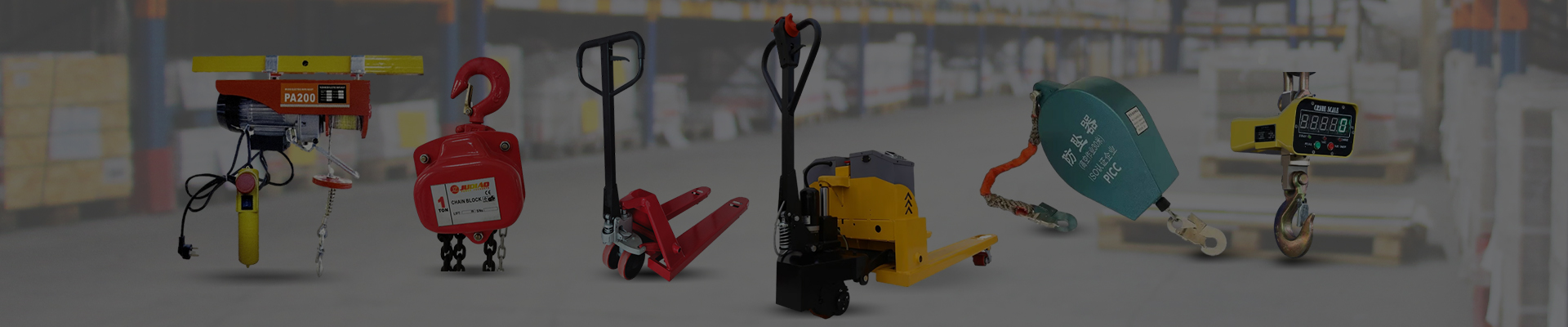


When you hear “overhead electric hoist 1 ton,” you might picture some bulky machine hanging in a factory ceiling, lifting heavy loads effortlessly. And you’d be right—these devices are absolutely central to many industries worldwide. Their ability to lift, lower, and move heavy materials with precision impacts construction, manufacturing, shipping, and even humanitarian efforts that rely on heavy equipment. Frankly, understanding these machines isn’t just academic; it’s about grasping a piece of the global industrial puzzle that keeps goods moving and projects progressing efficiently.
Interestingly, as reported by the International Organization for Standardization (ISO), industrial automation and mechanized material handling are growing at over 6% annually worldwide. The United Nations Industrial Development Organization (UNIDO) highlighted that productivity gains in manufacturing rely heavily on mechanized aids like hoists. Overhead electric hoists capable of lifting around one ton are a sweet spot—they’re strong enough for many common tasks but still versatile and affordable for small to medium-sized enterprises worldwide.
Yet the challenge remains—how can industries optimize these hoists for safety, efficiency, and sustainability? This question has fueled innovation and strict regulations globally. Hopefully, by digging into the nuts and bolts of the overhead electric hoist 1 ton, you’ll appreciate both the technology and its impact.
Put simply, an overhead electric hoist with a 1 ton capacity is a mechanical lifting device mounted on an overhead structure—like a beam or trolley—that uses an electric motor to lift and move up to 1,000 kilograms (roughly 2,200 pounds). Compared to manual chain hoists, these electric versions save a lot of human effort and reduce the risk of injury.
In modern industries, these hoists streamline production lines, assist in loading heavy equipment, and speed up construction phases. They also prove critical in humanitarian settings—for instance, moving heavy relief supplies in disaster-hit zones where manual labor might be too slow or unsafe.
Most overhead electric hoists must endure harsh environmental conditions—dust, moisture, vibration. Manufacturers use robust steel components and sealed motors to ensure longevity. You might be surprised how many fail-safe designs exist to prevent breakdowns during critical lifting jobs.
The 1-ton rating isn’t just a number; it ensures safe operation within specified limits. Features like overload limiters and emergency stop functions prevent accidents. It’s something anyone using or specifying these hoists should never overlook.
Nowadays, remote controls and smart interfaces are common. This lets operators move loads precisely without standing underneath them, reflecting huge leaps in workplace safety.
Many models allow upgrades—for example, adding longer trolleys or variable speed drives, which helps industries tailor the hoists to changing tasks.
With comparable lifting equipment, electric hoists generally reduce labor costs and downtime. The investment pays off with higher throughput and fewer injuries.
From the sprawling industrial parks of China to shipyards in Europe, overhead electric hoists 1 ton are everywhere. In Asia’s densely packed factories, these hoists facilitate fast assembly lines, lifting engines and heavy components with ease. In North American steel mills, they help move coils and sheets efficiently.
Humanitarian groups use compact models in remote disaster zones, where deploying cranes is impractical. Oddly enough, these hoists sometimes become unsung heroes in post-flood rebuilding efforts, helping relocate debris and heavy parts faster.
So, they’re not just machines; they’re enablers of progress in varied terrains and sectors.
Honestly, it’s a blend of tangible benefits and subtle social values you can appreciate when digging deeper.
The future? It’s bright and increasingly electrified—and strangely digital. Innovations focus on integrating IoT sensors that monitor wear and tear, alerting maintenance crews before failures. Green energy sources power hoists more sustainably, aligning with global climate goals.
Automation is another big deal. Imagine overhead electric hoists synced with robotic arms or conveyor systems to create more autonomous production lines. This cuts costs, improves safety, and allows facilities to cope with labor shortages.
Yet, challenges persist. For instance, maintenance in remote areas can be tough, and upfront costs hold back some smaller businesses. Plus, training operators on safety protocols is critical—no tech alone can prevent human error.
One approach gaining traction is offering modular hoist systems paired with remote diagnostics and virtual reality-based training, which ensures fit-for-purpose use even in less mechanized environments.
In real terms, the overhead electric hoist 1 ton is much more than a mechanical device—it’s a cornerstone of modern industry and global development. It delivers efficiency, safety, and scalability, all while supporting sustainability and social progress.
So, if you’re considering integrating or upgrading hoisting equipment, overhead electric hoist 1 ton options from trustworthy suppliers like QYJULI offer solid value and innovation.
Ready to see how these hoists can transform your operations? Visit https://www.qyjuli.com and explore your options.
Reflection: When you start paying attention to the everyday machines behind industrial success stories, it feels like uncovering a hidden world—one where engineering meets human effort and ingenuity.


 Afrikaans
 Albanian
 Amharic
 Arabic
 Armenian
 Azerbaijani
 Basque
 Belarusian
 Bengali
 Bosnian
 Bulgarian
 Catalan
 Cebuano
 China
China
 China (Taiwan)
 Corsican
 Croatian
 Czech
Czech
 Danish
 Dutch
Dutch
 Esperanto
 Estonian
 Finnish
 French
 Frisian
 Galician
 Georgian
 German
 Greek
Greek
 Gujarati
 Haitian Creole
 Hausa
Hausa
 Hawaiian
 Hebrew
 Hindi
Hindi
 Miao
Miao
 Hungarian
 Icelandic
 Igbo
Igbo
 Indonesian
 Irish
Irish
 Italian
 Japanese
 Javanese
 Kannada
 Kazakh
 Khmer
Khmer
 Rwandese
 Korean
 Kurdish
 Kyrgyz
 Lao
Lao
 Latin
Latin
 Latvian
 Lithuanian
 Luxembourgish
 Macedonian
 Malgashi
 Malay
Malay
 Malayalam
 Maltese
 Maori
Maori
 Marathi
 Mongolian
 Myanmar
 Nepali
 Norwegian
 Norwegian
 Occitan
 Pashto
 Persian
 Polish
 Portuguese
 Punjabi
 Romanian
 Russian
 Samoan
 Scottish Gaelic
 Serbian
 Sesotho
 Shona
Shona
 Sindhi
 Sinhala
 Slovak
 Slovenian
 Somali
 Spanish
 Sundanese
 Swahili
 Swedish
 Tagalog
 Tajik
Tajik
 Tamil
Tamil
 Tatar
Tatar
 Telugu
 Thai
Thai
 Turkish
 Turkmen
 Ukrainian
 Urdu
Urdu
 Uighur
 Uzbek
Uzbek
 Vietnamese
 Welsh
Welsh
 Bantu
Bantu
 Yiddish
 Yoruba
 Zulu
Zulu
 English