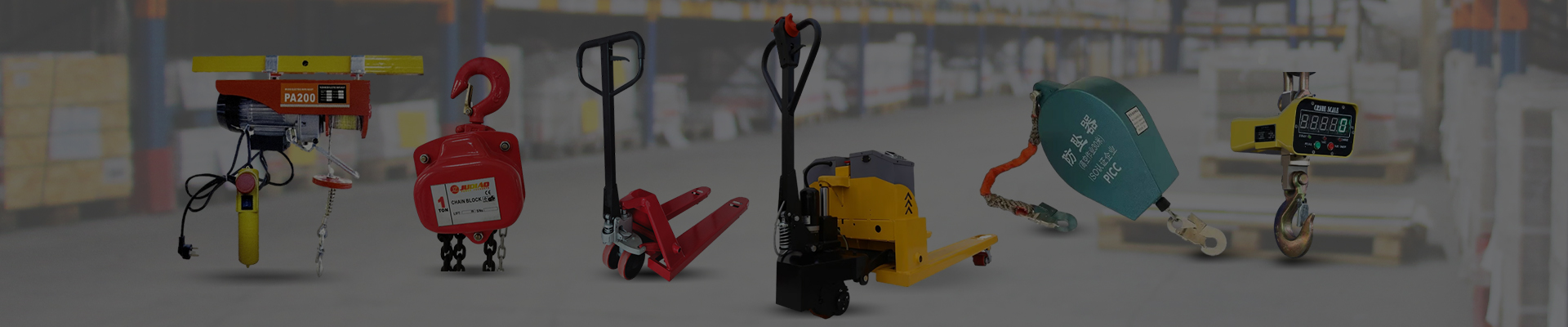


Having worked around industrial lifting equipment for over a decade, I can tell you one thing for sure: the chain pulley block 500kg is a staple you don’t want to overlook. It’s one of those little workhorses that quietly does its job day in, day out, without demand for much fanfare. But there’s more to this simple tool than meets the eye—its design, build quality, and user experience matter far more than you might guess.
Oddly enough, even in this age of automated cranes and heavy-duty hoists, the humble chain pulley block remains indispensable—especially in small workshops, construction sites, or maintenance yards where versatility and reliability come first. The 500kg capacity hits a sweet spot for many medium-duty tasks. It’s strong enough for mechanical parts, building materials, or even engines, but compact and light enough to be portable and easy to handle.
Back when I first started on the shop floor, I remember this particular size block being the first lifting gear I was trusted to operate. It feels like a balance between muscle and finesse. The gearbox and load chain are typically made of high-quality alloy steel—heat-treated for wear resistance, which means fewer surprises down the line. Many engineers I’ve worked with praise its smooth pulling action and dependable braking system, critical when safety is paramount.
Incidentally, I once saw an operator lift a heavy gearbox with one of these in a confined space where larger equipment just couldn’t fit. It made me appreciate the tool’s obvious advantages: simplicity, reliability, and mechanical advantage without the hassle.
| Parameter | Details |
|---|---|
| Rated Load Capacity | 500 kg (0.5 ton) |
| Load Chain Material | Alloy Steel, heat-treated |
| Lift Height | 3 meters (standard) |
| Hand Chain Length | 4.5 meters |
| Brake Type | Multiple Disc or Ratchet, dependable locking |
| Weight | ~8 kg |
| Finish | Painted or Galvanized Steel |
| Safety Factor | 5:1 or higher |
Of course, not all chain pulley blocks are created equal. You might be surprised how much variation there is—from build quality to after-sales support. That’s why I tend to compare specs alongside vendor reputation and customer service responsiveness. Here’s a quick rundown of three popular producers I’ve encountered:
| Vendor | Build Quality | Warranty | Price Range | User Feedback |
|---|---|---|---|---|
| QYJULI | Consistent, alloy steel chain, smooth brake action | 2 years | Mid-range | Excellent service, quick parts delivery |
| Generic Brand A | Adequate for light tasks, cheaper materials | 1 year | Budget | Mixed reviews - some durability issues |
| Premium Supplier B | Top-grade steel, precision engineering | 3 years | High-end | Great durability, but pricey |
Naturally, price is often the deciding factor, but honestly, I think it pays off to invest in a chain pulley block that won’t fail you mid-job. You know, that unexpected pause or breakdown? It’s frustrating and costly when you’re under pressure.
Customization options matter, too—things like chain length, hook type, and finishing can be tailored depending on your working environment. From rust-resistant coatings to extended handles, these tweaks might seem small but can change your daily workflow for the better.
At the end of the day, the chain pulley block 500kg isn’t just a piece of metal—it’s a reliable partner for countless lifting challenges. Whether on the factory floor or a remote job site, it’s the kind of tool that earns respect through quiet, consistent performance. I suppose that’s why it has such a loyal following among technicians and engineers alike.
Quick takeaway? Don’t underestimate the power of well-made, simple lifting solutions—they often outlast their flashier counterparts.


 Afrikaans
 Albanian
 Amharic
 Arabic
 Armenian
 Azerbaijani
 Basque
 Belarusian
 Bengali
 Bosnian
 Bulgarian
 Catalan
 Cebuano
 China
China
 China (Taiwan)
 Corsican
 Croatian
 Czech
Czech
 Danish
 Dutch
Dutch
 Esperanto
 Estonian
 Finnish
 French
 Frisian
 Galician
 Georgian
 German
 Greek
Greek
 Gujarati
 Haitian Creole
 Hausa
Hausa
 Hawaiian
 Hebrew
 Hindi
Hindi
 Miao
Miao
 Hungarian
 Icelandic
 Igbo
Igbo
 Indonesian
 Irish
Irish
 Italian
 Japanese
 Javanese
 Kannada
 Kazakh
 Khmer
Khmer
 Rwandese
 Korean
 Kurdish
 Kyrgyz
 Lao
Lao
 Latin
Latin
 Latvian
 Lithuanian
 Luxembourgish
 Macedonian
 Malgashi
 Malay
Malay
 Malayalam
 Maltese
 Maori
Maori
 Marathi
 Mongolian
 Myanmar
 Nepali
 Norwegian
 Norwegian
 Occitan
 Pashto
 Persian
 Polish
 Portuguese
 Punjabi
 Romanian
 Russian
 Samoan
 Scottish Gaelic
 Serbian
 Sesotho
 Shona
Shona
 Sindhi
 Sinhala
 Slovak
 Slovenian
 Somali
 Spanish
 Sundanese
 Swahili
 Swedish
 Tagalog
 Tajik
Tajik
 Tamil
Tamil
 Tatar
Tatar
 Telugu
 Thai
Thai
 Turkish
 Turkmen
 Ukrainian
 Urdu
Urdu
 Uighur
 Uzbek
Uzbek
 Vietnamese
 Welsh
Welsh
 Bantu
Bantu
 Yiddish
 Yoruba
 Zulu
Zulu
 English