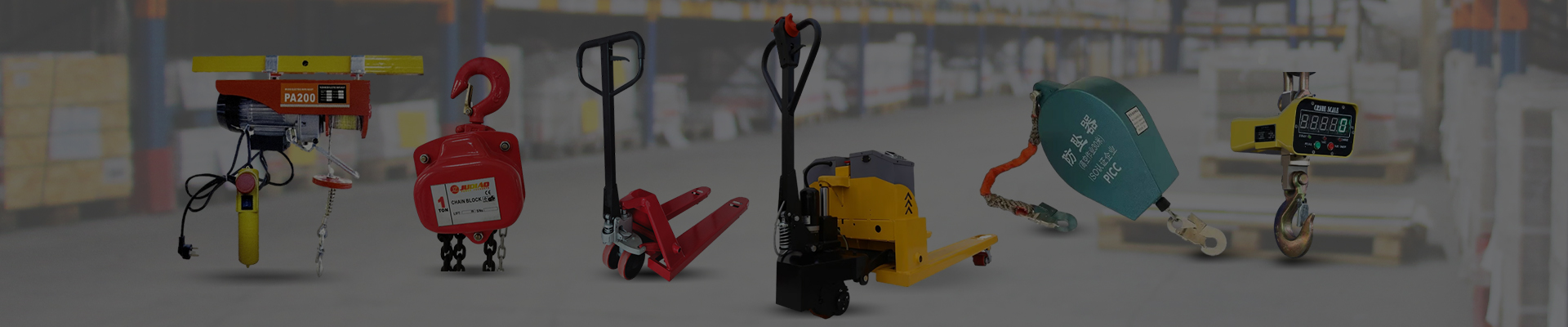


At first glance, a hand chain hoist might not look like the hero of industrial lifting. But across factories, construction sites, and even disaster relief zones worldwide, it quietly moves mountains — well, metaphorically speaking. This simple mechanical device plays a crucial role in enabling safe, reliable lifting of heavy loads without electricity or complex machinery. As industries evolve, grasping the importance and benefits of hand chain hoists can mean the difference between stalled projects or smooth operations.
If you pull back and look at the big picture, manual lifting solutions like the hand chain hoist remain surprisingly essential. According to the International Labour Organization (ILO), millions work in environments where power tools aren’t always an option, due to remote locations or lack of infrastructure. Plus, the construction and manufacturing sectors alone account for billions in equipment downtime annually—often linked to failures or delays in material handling.
Hand chain hoists address many of these operational challenges by providing reliable, low-tech lifting solutions that don’t depend on power grids or digital systems. And surprisingly, global demand for these tools continues to grow at around 4% per year (industry reports, 2023), reflecting their enduring relevance.
Oddly enough, even humanitarian organizations rely on them heavily — from setting up shelters after natural disasters to rebuilding critical infrastructure when electricity is down. It’s a simple tool acting as a vital cog in much larger logistical chains.
In plain terms, a hand chain hoist is a compact manual winch with a chain loop used to lift or lower heavy loads by hand. It operates through a system of gears inside a robust casing that multiplies force applied to the hand chain, enabling one person to move substantial weights.
Unlike electric hoists or hydraulic lifts, the hand chain hoist requires no power source, making it indispensable in places where electricity isn’t reliable. The device connects easily to overhead beams or hooks, creating a mobile, flexible lifting point for a wide range of environments.
Its humble design belies its fundamental role across sectors like manufacturing, shipbuilding, mining, and emergency relief.
Most hand chain hoists are made from high-grade steel alloys with corrosion resistance, ensuring years of tough use in harsh environments, from salty docksides to dusty desert construction sites. Durability translates directly to safety and reliability — no compromises here.
These hoists come rated for various capacities, commonly ranging from 0.5 up to 20 tons or more. Built-in load limiters and secure brakes prevent overload and accidental drops, critical for protecting both workers and equipment.
The compact design means users can transport it easily between job sites. In cramped industrial zones or disaster relief camps, this portability is more valuable than you might think.
The manual lever and chain system is intuitive, with minimal training required. Repair or parts replacement is often straightforward, which reduces downtime—a big plus when time literally means money or safety.
Compared to powered lifting options, hand chain hoists are affordable upfront and cheap to maintain. For small to medium operations, this makes perfect fiscal sense.
Understanding these core components helps explain why the hand chain hoist remains a preferred choice worldwide. Durability meets simplicity, meeting real-world needs head-on.
From mining sites in South Africa to shipyards in Norway, the hand chain hoist proves its mettle daily. Here are some standout uses:
Oddly enough, their adaptability even stretches to theater rigging and event setups, where portability and manual control preserve safety and timing.
The hand chain hoist’s ability to operate without power, combined with strength and portability, make it one of the few lifting tools truly global in application.
Let’s be honest — sometimes we overlook the emotional side of tools. But when you think about a hand chain hoist, it carries more than loads; it carries trust and safety.
In real terms, this combination delivers peace of mind over the life of the equipment. And frankly, that trust is priceless.
| Specification | Typical Range / Model Detail |
|---|---|
| Load Capacity | 0.5 ton to 20 tons |
| Lift Height | 1.5m to 10m (standard) |
| Material | Alloy Steel with corrosion resistant coating |
| Brake System | Spring-actuated multiple disc brake |
| Chain Type | Heat-treated load chain |
| Standard Compliance | ISO 9001, CE Certified |
| Vendor | Load Range | Features | Warranty | Approx. Price (USD) |
|---|---|---|---|---|
| Brand A | 0.5 to 10 tons | Corrosion-resistant paint, ergonomic chain wheel | 2 years | $150 - $1200 |
| Brand B | 1 to 15 tons | Heavy-duty alloy steel, built-in load limiter | 3 years | $200 - $1800 |
| Brand C | 0.75 to 20 tons | Sealed brake system, lightweight design | 1 year | $250 - $2200 |
Technically, hand chain hoists have stayed reasonably consistent for decades, but some fresh winds are blowing through the industry.
For starters, newer materials like high-strength composites and corrosion-resistant coatings are making hoists lighter without compromising strength. This is significant, especially for field engineers who carry them over rough terrain.
Also, digital integration is sneaking in. Imagine built-in RFID tags for inventory tracking or smart load monitoring sensors helping prevent overload in real time — a blend of old-school mechanics and Industry 4.0.
And sustainability? Firms are exploring greener manufacturing processes and recyclable components, because even manual tools are under scrutiny to lower environmental impact.
Pick a hoist with a load capacity slightly above your heaviest expected weight to maintain a safety margin. For repetitive tasks, also consider the duty cycle rating to match operational demands.
Absolutely, but opt for models with corrosion-resistant coatings and sealed brake systems. Regular lubrication and inspections will keep it running safely despite the weather.
Routine visual inspections before use are essential. More thorough servicing should happen every 3-6 months, depending on usage intensity and environment.
No, they are designed strictly for material lifting. Use certified equipment specifically rated for personnel lifting to meet safety regulations.
Organizations like OSHA and ISO publish detailed guidelines. For example, ISO 12100 outlines safety requirements for lifting appliances. Always consult these for compliance and safe practice.
So here’s the thing — the hand chain hoist isn’t flashy. It doesn’t boast high-tech bells and whistles. But in a world where power outages are common and a single failure can stop an entire operation, this manual marvel offers peace of mind, simplicity, and raw lifting power.
Whether you’re an engineer on-site, a project manager, or working with humanitarian aid, understanding and choosing the right hand chain hoist pays off long-term — for safety, cost, and sustainability.
Ready to explore options that fit your specific needs? Visit our website: hand chain hoist and see what’s new in the world of reliable lifting solutions.


 Afrikaans
 Albanian
 Amharic
 Arabic
 Armenian
 Azerbaijani
 Basque
 Belarusian
 Bengali
 Bosnian
 Bulgarian
 Catalan
 Cebuano
 China
China
 China (Taiwan)
 Corsican
 Croatian
 Czech
Czech
 Danish
 Dutch
Dutch
 Esperanto
 Estonian
 Finnish
 French
 Frisian
 Galician
 Georgian
 German
 Greek
Greek
 Gujarati
 Haitian Creole
 Hausa
Hausa
 Hawaiian
 Hebrew
 Hindi
Hindi
 Miao
Miao
 Hungarian
 Icelandic
 Igbo
Igbo
 Indonesian
 Irish
Irish
 Italian
 Japanese
 Javanese
 Kannada
 Kazakh
 Khmer
Khmer
 Rwandese
 Korean
 Kurdish
 Kyrgyz
 Lao
Lao
 Latin
Latin
 Latvian
 Lithuanian
 Luxembourgish
 Macedonian
 Malgashi
 Malay
Malay
 Malayalam
 Maltese
 Maori
Maori
 Marathi
 Mongolian
 Myanmar
 Nepali
 Norwegian
 Norwegian
 Occitan
 Pashto
 Persian
 Polish
 Portuguese
 Punjabi
 Romanian
 Russian
 Samoan
 Scottish Gaelic
 Serbian
 Sesotho
 Shona
Shona
 Sindhi
 Sinhala
 Slovak
 Slovenian
 Somali
 Spanish
 Sundanese
 Swahili
 Swedish
 Tagalog
 Tajik
Tajik
 Tamil
Tamil
 Tatar
Tatar
 Telugu
 Thai
Thai
 Turkish
 Turkmen
 Ukrainian
 Urdu
Urdu
 Uighur
 Uzbek
Uzbek
 Vietnamese
 Welsh
Welsh
 Bantu
Bantu
 Yiddish
 Yoruba
 Zulu
Zulu
 English