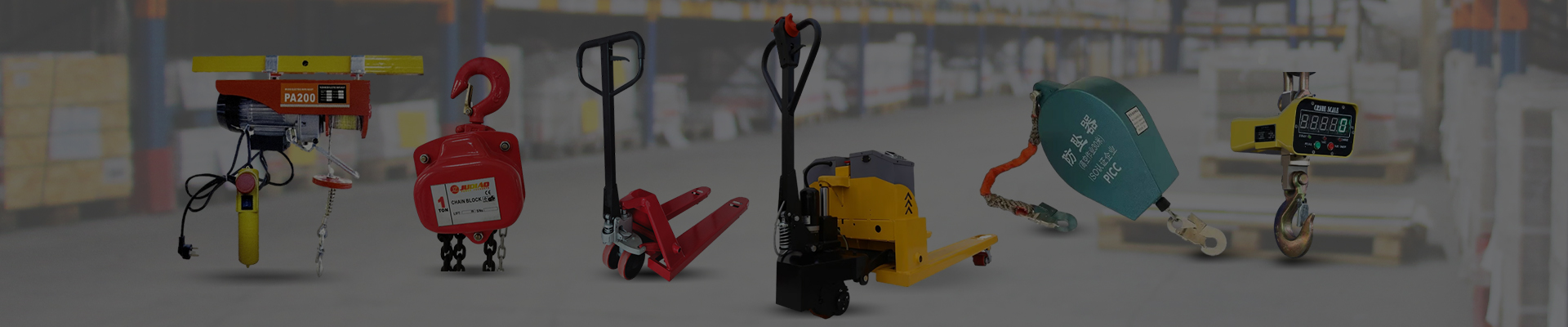


At first glance, a chain hoist might just seem like a humble mechanical tool — a bit of metal and chain built for lifting heavy loads. But dig a little deeper, and it’s clear this tool carries world-changing power. Whether it’s speeding construction, bolstering disaster response, or streamlining industrial workflows, understanding the basics — and the potential — of chain hoists opens up a world of global and economic insights.
Why does it matter? Because lifting heavy weights safely and efficiently is fundamental everywhere, from massive urban infrastructure projects to off-grid humanitarian relief camps. The chain hoist embodies the blend of simplicity and strength, and it’s important enough that it touches countless industries and communities worldwide.
According to the International Organization for Standardization (ISO), industrial lifting equipment like chain hoists is critical in maintaining workplace safety and efficiency across manufacturing sectors globally (ISO 9927-1:2013). In 2023 alone, the construction and manufacturing sectors accounted for nearly 15% of global industrial output (World Bank), highlighting how pervasive lifting devices are in daily operations.
However, despite their widespread presence, challenges such as equipment failure, poor maintenance, and cost inefficiency still cause downtime and safety incidents worldwide. This gap is where well-designed, durable chain hoists truly come into play — increasing reliability and reducing risks in harsh work environments.
Simply put, a chain hoist is a mechanical device that uses a system of chains and gears to lift and lower heavy objects. You’ll generally find two chains — a hand chain that the operator pulls, and a load chain which bears the weight. This setup multiplies human force, enabling one person to lift what would otherwise require several.
From lifting steel beams on skyscraper sites to delicately moving heavy equipment at mining operations, chain hoists are indispensable. Oddly enough, they even play a role in humanitarian contexts — imagine clearing debris with limited machinery after a disaster or lifting supplies in remote villages where electricity is unreliable. Versatile, dependable — they’re the quiet heroes in many scenarios.
Mini takeaway: The chain hoist balances ruggedness with adaptability, making it a cornerstone for industries where safety, cost, and mobility all count.
From bustling factories in East Asia to the sprawling construction sites in the Middle East, chain hoists are everywhere. In Europe, high-tech manual hoists integrate with automated systems; meanwhile, on the African continent, NGOs rely heavily on simple but reliable manual hoists during post-disaster relief operations.
Oddly enough, some of the most impressive uses are in remote mining sites in South America where electricity supply is spotty at best. Here, manual chain hoists are lifelines — literally providing the muscle to shift heavy loads without dependency on unstable power grids.
Industries benefiting from chain hoists include:
| Model | Capacity (tons) | Lift Height (m) | Weight (kg) | Material |
|---|---|---|---|---|
| QYJuli CH100 | 1 | 3 | 15 | Chrome Vanadium Steel |
| QYJuli CH300 | 3 | 5 | 42 | Alloy Steel |
| QYJuli CH500 | 5 | 5 | 68 | Heat-Treated Steel |
Look, lifting heavy stuff safely may sound mundane, but the ripple effects are huge. For companies, chain hoists mean fewer injuries, less downtime, and an easier route to regulatory compliance. For workers, it means dignity and trust — knowing their tools won’t fail when it matters most.
Sustainability comes into play too: manual hoists consume zero electricity, trimming an operation’s environmental footprint. Plus, when properly maintained, they last decades — cutting costs and waste compared to disposable or poorly built alternatives.
Technology certainly isn’t leaving the chain hoist behind. Smart sensors that monitor load stress, wear-and-tear detection systems, and IoT connectivity are becoming more common. This means safety standards are stepping up alongside digital transformation.
Materials science is also pushing the envelope — carbon fiber chains and ultra-light alloys promise both strength and reduced weight. Interestingly, some manufacturers are pioneering solar-powered electric chain hoists, blending green energy with traditional reliability.
Of course, no tool is perfect. Chain hoists can struggle with corrosion in coastal or humid environments. Sometimes operators ignore maintenance schedules, risking failure or injury. Notably, low-cost imports sometimes feature subpar materials or inconsistent quality, causing headaches on job sites.
Solutions range from better training programs, stricter global certifications, to vendor consolidation and improved supply chains. Plus, modular repair kits are gaining traction, so fixes don’t always mean full replacements.
| Vendor | Quality Certification | Product Range (tons) | After-Sales Support | Lead Time |
|---|---|---|---|---|
| QYJuli | ISO 9001, CE | 0.5 - 20 | Onsite and remote support | 2 weeks |
| LiftPro Co. | ISO 14001 | 1 - 15 | Remote support only | 3-4 weeks |
| HoistMaster | CE, ASME | 0.5 - 10 | Limited warranty, local partners | 1 week |
The chain hoist, while simple on the surface, represents a vital intersection of engineering, safety, and accessibility worldwide. From transforming the speed of modern building projects to anchoring critical relief operations, it’s a tool whose worth is often underestimated. If you want reliability, proven simplicity, and a lean lifting solution, a chain hoist is hard to beat.
For a deeper dive into selecting the perfect chain hoist, visit QYJuli’s official site and discover a range designed to meet every industrial challenge.


 Afrikaans
 Albanian
 Amharic
 Arabic
 Armenian
 Azerbaijani
 Basque
 Belarusian
 Bengali
 Bosnian
 Bulgarian
 Catalan
 Cebuano
 China
China
 China (Taiwan)
 Corsican
 Croatian
 Czech
Czech
 Danish
 Dutch
Dutch
 Esperanto
 Estonian
 Finnish
 French
 Frisian
 Galician
 Georgian
 German
 Greek
Greek
 Gujarati
 Haitian Creole
 Hausa
Hausa
 Hawaiian
 Hebrew
 Hindi
Hindi
 Miao
Miao
 Hungarian
 Icelandic
 Igbo
Igbo
 Indonesian
 Irish
Irish
 Italian
 Japanese
 Javanese
 Kannada
 Kazakh
 Khmer
Khmer
 Rwandese
 Korean
 Kurdish
 Kyrgyz
 Lao
Lao
 Latin
Latin
 Latvian
 Lithuanian
 Luxembourgish
 Macedonian
 Malgashi
 Malay
Malay
 Malayalam
 Maltese
 Maori
Maori
 Marathi
 Mongolian
 Myanmar
 Nepali
 Norwegian
 Norwegian
 Occitan
 Pashto
 Persian
 Polish
 Portuguese
 Punjabi
 Romanian
 Russian
 Samoan
 Scottish Gaelic
 Serbian
 Sesotho
 Shona
Shona
 Sindhi
 Sinhala
 Slovak
 Slovenian
 Somali
 Spanish
 Sundanese
 Swahili
 Swedish
 Tagalog
 Tajik
Tajik
 Tamil
Tamil
 Tatar
Tatar
 Telugu
 Thai
Thai
 Turkish
 Turkmen
 Ukrainian
 Urdu
Urdu
 Uighur
 Uzbek
Uzbek
 Vietnamese
 Welsh
Welsh
 Bantu
Bantu
 Yiddish
 Yoruba
 Zulu
Zulu
 English