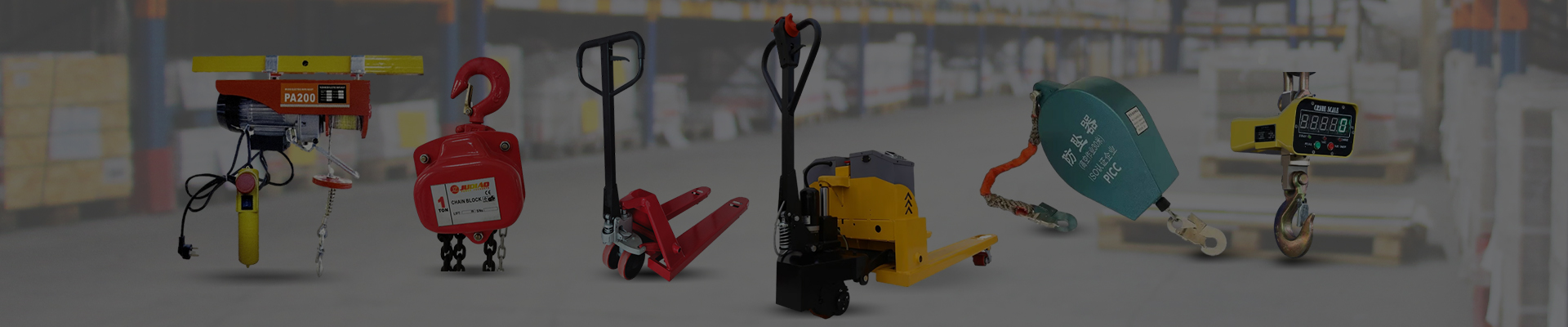


If you’ve ever lifted something heavy — maybe a stubborn engine part or a bulky crate — you know the appeal of a trusty chain block and tackle. But beyond your weekend garage project, this tool is a silent workhorse involved in everything from massive construction sites to humanitarian aid drops. Understanding the chain block and tackle for sale market isn’t just about finding the right hoist; it’s about grasping a fundamental piece of engineering that keeps industries moving and communities recovering.
Globally, lifting equipment markets have seen steady growth. According to the ISO standards and industry analyses, demand for durable, safe lifting gear increases roughly 4-6% annually as infrastructure develops worldwide. In tough disaster zones or remote industrial areas, such equipment becomes invaluable. This article dives into the what, why, and how of the chain block and tackle and why you might want to keep an eye on chain block and tackle for sale listings.
In essence, a chain block (sometimes called a chain hoist) is a mechanical device that uses a system of chains and gears to lift heavy loads with ease. Add a tackle — which generally means a set of pulleys — and you multiply the lifting power by distributing weight more efficiently. Put simply, it’s like getting several extra hands that never tire.
Though grounded in old physics, this technology has evolved to meet modern industry and humanitarian needs. For example, in post-disaster relief, where cranes may be scarce, chain blocks make it possible to move supplies quickly and safely. In warehouses, they help operators reduce injury risk while speeding workflow.
Many engineers I spoke to stressed the importance of robust materials, mostly high-grade steel alloys coated against corrosion. It may seem mundane but the wear resistance often determines if your hoist works efficiently for years or spends more time in repair.
Braking systems, overload protection, and ergonomic chain grips matter more than you might think. Not only do these protect the operator, but they prevent costly accidents in environments where downtime means serious money lost.
Chain blocks come in various rated loads – from a modest one ton up to 20 tons or beyond. Scalability to fit the job’s needs (and sometimes swapping blocks within a system) makes them useful across sectors.
It’s not just about sticker price. Good quality means fewer breakdowns and less frequent replacements. Often, spending a bit more upfront saves time, money, and hassle down the road.
Simple designs that allow quick inspection or lubrication keep downtime low. Users in remote areas especially value equipment that doesn’t require specialized tools or technicians for basic upkeep.
Compact, lightweight models are ideal for fieldwork or emergency deployments. On the flip side, heavy fixed hoists bring power but less flexibility. The right pick depends largely on the end-use scenario.
From Southeast Asia’s bustling shipyards to the arid, dusty mines of South America, these devices come in clutch. In construction hubs, they speed up assembly of steel frameworks. In humanitarian zones — say, after an earthquake — they’re used to shift debris and deliver aid precisely.
Organizations like the UN Office for the Coordination of Humanitarian Affairs incorporate these hoists in their logistics toolkit — proof of their vital role.
True, there’s some temptation to go with the cheapest hoist “for now.” But the long view pays dividends:
It’s fascinating how these mechanical classics keep evolving — a bit like the classic pickup truck that just keeps getting better mileage and comfort upgrades.
Increasingly, manufacturers are exploring:
So, while the core design remains familiar, the surrounding tech is gently reshaping the chain block landscape.
One tricky part is ensuring safe operation in harsh environments — imagine extreme heat or humidity degrading parts faster than expected. Experts advocate for rigorous testing standards and custom coatings to meet regional needs. Another challenge: misuse by untrained operators. Here, comprehensive training and easy-to-follow manuals help reduce accidents.
The market is gradually moving toward more modular, easy-to-repair designs — a smart way to cut total ownership cost and downtime.
| Specification | Typical Value | Notes |
|---|---|---|
| Load Capacity | 1 to 20 tons | Varies by model |
| Chain Material | Alloy Steel (Grade 80) | Heat-treated for durability |
| Corrosion Resistance | Zinc coating or powder coat | Optional for marine use |
| Safety Features | Overload protection & automatic brake | Standard on most models |
| Weight (unit) | 15–40 kg | Depends on load capacity |
| Operation Type | Manual & Electric variants | Electric models cost more |
| Vendor | Product Range | Pricing | Shipping & Support | Key Strength |
|---|---|---|---|---|
| LiftMaster Co. | 1-10 tons, manual & electric | Mid-range | Global, 24/7 support | Reputation for reliability |
| HoistWorld Ltd. | Up to 20 tons, rugged designs | Premium | Fast shipping, regional hubs | Heavy-duty, corrosion proof |
| BudgetHoist Inc. | 1-5 tons, mostly manual | Economy | Limited international support | Cost-effective for smaller users |
Your choice should consider the load capacity, environment (corrosive, wet, dusty), and frequency of use. If you’re lifting heavy machinery daily, investing in a rugged, electric model with safety features and easy maintenance will pay off. For occasional light lifting, manual blocks with lower capacity might suffice.
Yes, but it’s essential to choose models with appropriate weather-resistant coatings, especially if near saltwater or industrial environments. Regular inspections are also key to catching rust or wear early.
Routine lubrication, visual chain inspection, cleaning after use in dirty or wet environments, and replacing worn parts promptly will extend service life. Keep manuals handy and follow manufacturer schedules strictly.
If your operation demands frequent or heavy lifting, yes. Electric hoists reduce physical strain, speed tasks, and often include advanced safety systems. However, they require reliable power sources and slightly higher maintenance.
Besides local industrial suppliers, reputable online vendors like chain block and tackle for sale offer a vast range. Look for vendors with good support, warranties, and verified user reviews.
Chain blocks and tackle aren’t flashy technology, but they’re the kind of unsung heroes that keep industry, aid, and development flowing. Their blend of simplicity, adaptability, and steady innovation makes them a smart investment for any serious operator. Whether you’re outfitting a construction site, a relief operation, or a workshop, placing your order for quality chain block and tackle for sale today means saving time, money, and a lot of headaches down the road.
That old chain will keep pulling—and so can you.


 Afrikaans
 Albanian
 Amharic
 Arabic
 Armenian
 Azerbaijani
 Basque
 Belarusian
 Bengali
 Bosnian
 Bulgarian
 Catalan
 Cebuano
 China
China
 China (Taiwan)
 Corsican
 Croatian
 Czech
Czech
 Danish
 Dutch
Dutch
 Esperanto
 Estonian
 Finnish
 French
 Frisian
 Galician
 Georgian
 German
 Greek
Greek
 Gujarati
 Haitian Creole
 Hausa
Hausa
 Hawaiian
 Hebrew
 Hindi
Hindi
 Miao
Miao
 Hungarian
 Icelandic
 Igbo
Igbo
 Indonesian
 Irish
Irish
 Italian
 Japanese
 Javanese
 Kannada
 Kazakh
 Khmer
Khmer
 Rwandese
 Korean
 Kurdish
 Kyrgyz
 Lao
Lao
 Latin
Latin
 Latvian
 Lithuanian
 Luxembourgish
 Macedonian
 Malgashi
 Malay
Malay
 Malayalam
 Maltese
 Maori
Maori
 Marathi
 Mongolian
 Myanmar
 Nepali
 Norwegian
 Norwegian
 Occitan
 Pashto
 Persian
 Polish
 Portuguese
 Punjabi
 Romanian
 Russian
 Samoan
 Scottish Gaelic
 Serbian
 Sesotho
 Shona
Shona
 Sindhi
 Sinhala
 Slovak
 Slovenian
 Somali
 Spanish
 Sundanese
 Swahili
 Swedish
 Tagalog
 Tajik
Tajik
 Tamil
Tamil
 Tatar
Tatar
 Telugu
 Thai
Thai
 Turkish
 Turkmen
 Ukrainian
 Urdu
Urdu
 Uighur
 Uzbek
Uzbek
 Vietnamese
 Welsh
Welsh
 Bantu
Bantu
 Yiddish
 Yoruba
 Zulu
Zulu
 English