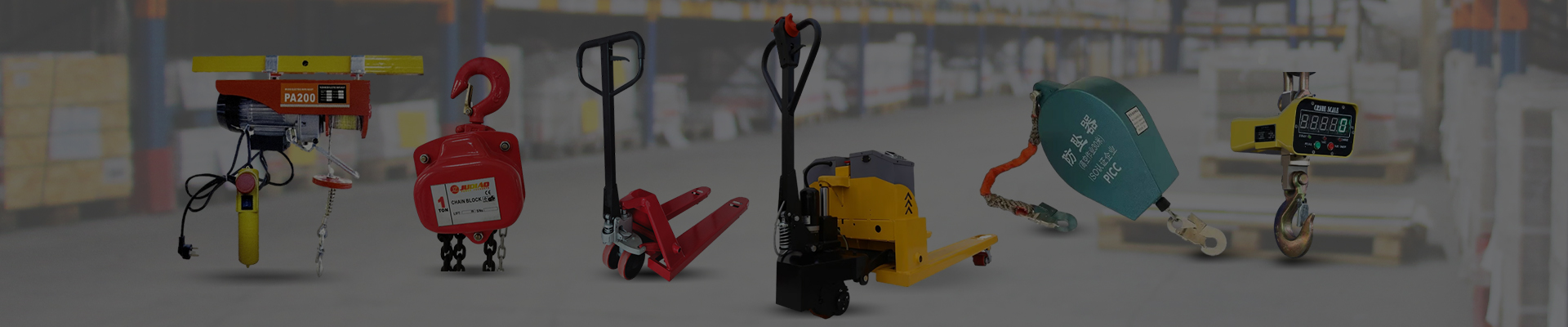


Miniature electric hoists might not be the star of heavy industrial equipment shows, but their small size belies their global significance. In essence, these compact lifting devices pack a powerful punch, offering flexible, efficient, and reliable lifting solutions in environments where space, portability, or precision is key. Across industries — from manufacturing plants in Southeast Asia to disaster relief zones in South America — the need for such tools is growing steadily. They’re not just about lifting weight; they symbolize smarter, safer, and more sustainable ways to move heavy loads in tight spots or challenging scenarios.
Knowing how these devices work, their core features, and where they fit into the bigger economic and humanitarian picture can translate to better operational decisions, improved workplace safety, and even innovations in supply chain logistics. More than that, with industry 4.0 and sustainability driving change worldwide, miniature electric hoists could well shape the efficiency frontier of tomorrow’s lifting tech.
In an era where industrial output and infrastructure projects are booming—particularly in urbanizing economies—flexible lifting equipment is indispensable. According to the International Organization for Standardization (ISO), safe and efficient material handling equipment directly correlates with productivity and worker well-being1. Meanwhile, the United Nations Development Programme (UNDP) flags construction and manufacturing as pivotal for second-wave industrial transformation in developing countries2.
Here’s where miniature electric hoists come into the spotlight: their compact form meets the need for safe lifting in confined spaces without sacrificing power and precision. This is especially critical when traditional cranes or bulkier hoisting machines simply can’t fit or require too much setup time. Globally, these devices address a common challenge — achieving high lifting capacity in low-footprint applications — and they do it quietly but efficiently.
Put simply, a miniature electric hoist is a small, motor-powered lifting device designed to move heavy items vertically (and sometimes horizontally) with ease and control. Think of it as a little workhorse that fits where bigger cranes or winches can’t. Usually powered by electric motors between 110V to 440V, they’re capable of lifting loads ranging from a few hundred kilograms to several tons, depending on the model.
These hoists often feature steel wire ropes or chains, coupled with gearboxes and limit switches for safety. In industries and humanitarian efforts alike, they’re prized for their versatility — available in portable versions that can be quickly deployed or as fixed installations for regular operations.
For a recent example, consider humanitarian agencies working in post-natural disaster scenarios. When infrastructure is damaged, a miniature electric hoist can be rapidly installed to unload supplies or clear debris efficiently. On the industrial side, small workshops and assembly lines utilize these hoists to streamline production, picking up heavy parts without large-scale investment or bulky equipment.
Many engineers note that the lifespan of a hoist depends heavily on the quality of materials used. Typically, high-strength steel chains or wire ropes paired with corrosion-resistant housings make these devices reliable in both factory floors and harsh outdoor conditions.
Electric motors in miniature hoists are designed for efficiency — they convert electrical energy into lifting power without significant loss. Some modern models use brushless motors that reduce heat build-up and maintenance.
Limit switches prevent overrunning and load brakes hold the suspended weight securely. Overload protection systems stop lifting attempts beyond rated capacities, ensuring operators and equipment remain safe.
Small size literally makes these hoists portable. The ability to mount on different fixtures, or to be moved from site to site, helps businesses scale their operations flexibly.
Basic models rely on wired remote controls, but newer units integrate wireless controls or even app-based interfaces allowing greater precision and operator comfort.
miniature electric hoist solutions make these operations smoother, faster, and often safer.
Miniature electric hoists are flexible, safe, and indispensable in tight or temporary setups worldwide, whether for industry or humanitarian needs.
At first glance, it might seem like a small convenience. But in real terms, the benefits ripple out much further:
Technology rarely stands still and neither do these hoists. Industry trend watchers point to several exciting directions:
Despite their merits, miniature electric hoists face hurdles:
Solutions? Many vendors now offer modular designs for scalability, solar charging options for power reliability, and extensive customer training programs. Plus, regular inspections and adoption of IoT diagnostics are reversing downtime trends.
| Specification | Model A | Model B | Model C |
|---|---|---|---|
| Lifting Capacity | 500 kg | 1000 kg | 1500 kg |
| Motor Power | 0.5 kW | 1 kW | 1.5 kW |
| Lifting Speed | 10 m/min | 8 m/min | 6 m/min |
| Power Supply | 220 V | 380 V | 440 V |
| Weight | 25 kg | 35 kg | 45 kg |
| Vendor | Price Range ($) | Warranty | Customer Support | Customization Options |
|---|---|---|---|---|
| LiftPro Mini Hoists | 800 - 1500 | 2 Years | 24/7 Phone & Email | Load capacity, motor type |
| Compact Hoist Co. | 650 - 1300 | 1.5 Years | Business Hours Only | Color, mounting styles |
| Global Lift Solutions | 900 - 1600 | 3 Years | Premium Support Package | Full custom design |
Miniature electric hoists, while compact, play an outsized role in the smooth functioning of diverse industrial and humanitarian operations worldwide. Their combination of portability, safety, and versatility makes them a no-brainer for businesses looking to upgrade or optimize their lifting capabilities without costly infrastructure. Plus, as green power and smart tech reshape the industry, these devices stand poised for exciting innovations — promising longevity not just in function, but in the very way we approach lifting heavy loads.
If you’re ready to explore miniature electric hoist options, learn more technical specs, or request custom solutions, visiting the official vendor website is a great next step. Because small machines can indeed make a huge difference.
At the intersection of engineering, efficiency, and sustainability, the miniature electric hoist is quietly revolutionizing lifting tasks globally. And honestly, it feels just the right size for the future.


 Afrikaans
 Albanian
 Amharic
 Arabic
 Armenian
 Azerbaijani
 Basque
 Belarusian
 Bengali
 Bosnian
 Bulgarian
 Catalan
 Cebuano
 China
China
 China (Taiwan)
 Corsican
 Croatian
 Czech
Czech
 Danish
 Dutch
Dutch
 Esperanto
 Estonian
 Finnish
 French
 Frisian
 Galician
 Georgian
 German
 Greek
Greek
 Gujarati
 Haitian Creole
 Hausa
Hausa
 Hawaiian
 Hebrew
 Hindi
Hindi
 Miao
Miao
 Hungarian
 Icelandic
 Igbo
Igbo
 Indonesian
 Irish
Irish
 Italian
 Japanese
 Javanese
 Kannada
 Kazakh
 Khmer
Khmer
 Rwandese
 Korean
 Kurdish
 Kyrgyz
 Lao
Lao
 Latin
Latin
 Latvian
 Lithuanian
 Luxembourgish
 Macedonian
 Malgashi
 Malay
Malay
 Malayalam
 Maltese
 Maori
Maori
 Marathi
 Mongolian
 Myanmar
 Nepali
 Norwegian
 Norwegian
 Occitan
 Pashto
 Persian
 Polish
 Portuguese
 Punjabi
 Romanian
 Russian
 Samoan
 Scottish Gaelic
 Serbian
 Sesotho
 Shona
Shona
 Sindhi
 Sinhala
 Slovak
 Slovenian
 Somali
 Spanish
 Sundanese
 Swahili
 Swedish
 Tagalog
 Tajik
Tajik
 Tamil
Tamil
 Tatar
Tatar
 Telugu
 Thai
Thai
 Turkish
 Turkmen
 Ukrainian
 Urdu
Urdu
 Uighur
 Uzbek
Uzbek
 Vietnamese
 Welsh
Welsh
 Bantu
Bantu
 Yiddish
 Yoruba
 Zulu
Zulu
 English