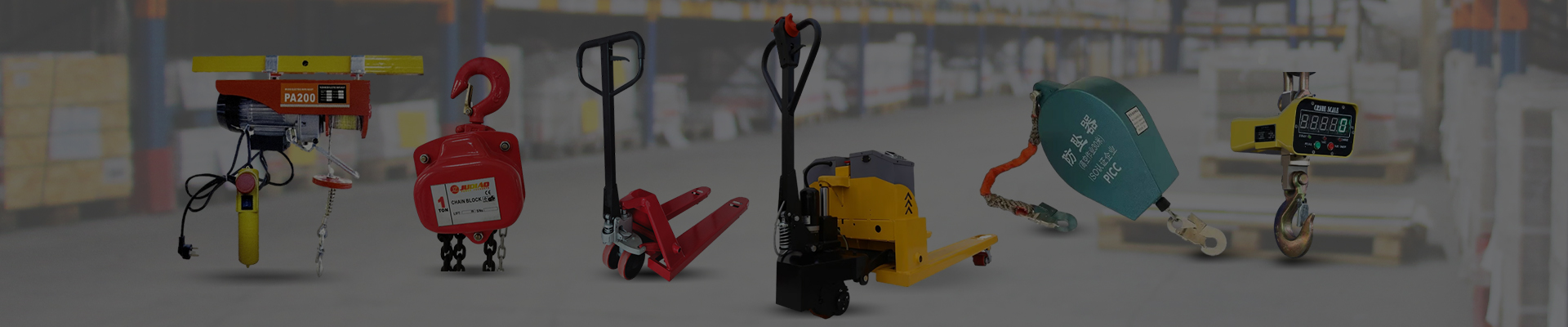


When you hear “3 ton electric hoist price,” it might sound like merely a listing or a number. But, frankly, this figure underlies a fascinating intersection of engineering, economics, and industry logistics worldwide. These hoists play a crucial role in everything from construction to warehouses, even humanitarian relief efforts. Grasping how their costs are shaped and what they represent can unlock insights about global trade flows, technological advancements, and the priorities of modern industries.
Nowadays, almost every sector expects lifting equipment that’s reliable yet cost-effective. So knowing what's behind that “3 ton electric hoist price” is crucial whether you’re an engineer, procurement manager, or just a curious reader.
The demand for electric hoists capable of lifting around 3 tons is growing steadily. According to the International Organization for Standardization (ISO), industries worldwide have ramped up automation and mechanization, especially in developing countries where infrastructure projects are booming (ISO, 2023). The 3 ton electric hoist price offers a window into how affordable and accessible these critical tools are globally.
Oddly enough, price isn't just about money; it’s a proxy for quality, availability of technology, supply chain efficiencies, and sometimes even local regulations. For example, a high price might reflect rigorous safety certifications or enhanced materials, key for avoiding workplace accidents—something that the UN’s International Labour Organization actively highlights as a global priority.
Simply put, a “3 ton electric hoist price” refers to the cost of an electrically powered lifting device designed to safely lift and move loads up to 3 tons (6000 pounds). These devices are generally mounted overhead or on gantries and are widely used in mechanical, construction, and logistics industries.
Why 3 tons? This category is popular because it hits a practical sweet spot—powerful enough for sizable industrial tasks, yet manageable in smaller-scale environments, such as workshops or humanitarian aid depots. Their prices reflect both the physical components (motors, cables, controls) and the included technology (safety sensors, remote operation).
Materials matter. Steel grades, cable strength, and motor robustness significantly influence price. Durable hoists reduce downtime and repair costs, ultimately saving money in the long haul.
Modern hoists often boast automation, variable speed control, and safety sensors. Enhanced features push prices up but improve efficiency and safety, key concerns in industrial environments.
Pricing fluctuates depending on the brand reputation, country of manufacture, and supply chain. For example, those produced in countries with advanced industrial bases may cost more but usually have guaranteed certifications.
With rising energy costs and sustainability goals, energy-efficient motors and regenerative braking systems drive up initial costs but reduce operational expenses.
Hoists designed for easy maintenance and modular upgrades might have higher upfront prices but offer better long-term value.
| Specification | Details |
|---|---|
| Load Capacity | 3 Tons (6000 lbs) |
| Lifting Speed | 8 - 20 meters per minute |
| Power Supply | 220V/380V, 3-phase options |
| Control Type | Remote control / Pendant control |
| Safety Features | Overload protection, emergency stop |
| Material | High-grade alloy steel |
The versatility of the 3 ton electric hoist means it is used worldwide in several critical areas:
This equipment is particularly vital in regions like Southeast Asia and Africa, where infrastructure development and humanitarian needs coincide sharply.
| Vendor | Starting Price (USD) | Warranty | Special Features | Region |
|---|---|---|---|---|
| QYJuli Corp | $1,250 | 2 years | Energy-saving, remote control | China |
| LiftMaster Inc. | $1,500 | 3 years | Smart overload protection | USA |
| EuroHoist | $1,400 | 2 years | Modular design for easy upgrades | Germany |
Beyond the initial cost, the benefits of investing in quality 3 ton electric hoists speak volumes:
Looking forward, innovation will likely focus on greener, smarter hoists:
Of course, challenges exist—particularly in supply chain reliability for remote regions and the proliferation of low-cost but poorly supported models. Robust customer service networks and modular upgrades are helping to solve these problems.
Understanding the nuances behind the “3 ton electric hoist price” primes you for smarter purchasing decisions and deeper appreciation of industrial logistics. These tools deliver vital performance, safety, and sustainability benefits – all packed into an investment that pays dividends for years.
Explore more options and get expert guidance at https://www.qyjuli.com.
Because in the end, a good hoist isn’t just about lifting weight; it’s about lifting your entire operation’s potential.


 Afrikaans
 Albanian
 Amharic
 Arabic
 Armenian
 Azerbaijani
 Basque
 Belarusian
 Bengali
 Bosnian
 Bulgarian
 Catalan
 Cebuano
 China
China
 China (Taiwan)
 Corsican
 Croatian
 Czech
Czech
 Danish
 Dutch
Dutch
 Esperanto
 Estonian
 Finnish
 French
 Frisian
 Galician
 Georgian
 German
 Greek
Greek
 Gujarati
 Haitian Creole
 Hausa
Hausa
 Hawaiian
 Hebrew
 Hindi
Hindi
 Miao
Miao
 Hungarian
 Icelandic
 Igbo
Igbo
 Indonesian
 Irish
Irish
 Italian
 Japanese
 Javanese
 Kannada
 Kazakh
 Khmer
Khmer
 Rwandese
 Korean
 Kurdish
 Kyrgyz
 Lao
Lao
 Latin
Latin
 Latvian
 Lithuanian
 Luxembourgish
 Macedonian
 Malgashi
 Malay
Malay
 Malayalam
 Maltese
 Maori
Maori
 Marathi
 Mongolian
 Myanmar
 Nepali
 Norwegian
 Norwegian
 Occitan
 Pashto
 Persian
 Polish
 Portuguese
 Punjabi
 Romanian
 Russian
 Samoan
 Scottish Gaelic
 Serbian
 Sesotho
 Shona
Shona
 Sindhi
 Sinhala
 Slovak
 Slovenian
 Somali
 Spanish
 Sundanese
 Swahili
 Swedish
 Tagalog
 Tajik
Tajik
 Tamil
Tamil
 Tatar
Tatar
 Telugu
 Thai
Thai
 Turkish
 Turkmen
 Ukrainian
 Urdu
Urdu
 Uighur
 Uzbek
Uzbek
 Vietnamese
 Welsh
Welsh
 Bantu
Bantu
 Yiddish
 Yoruba
 Zulu
Zulu
 English