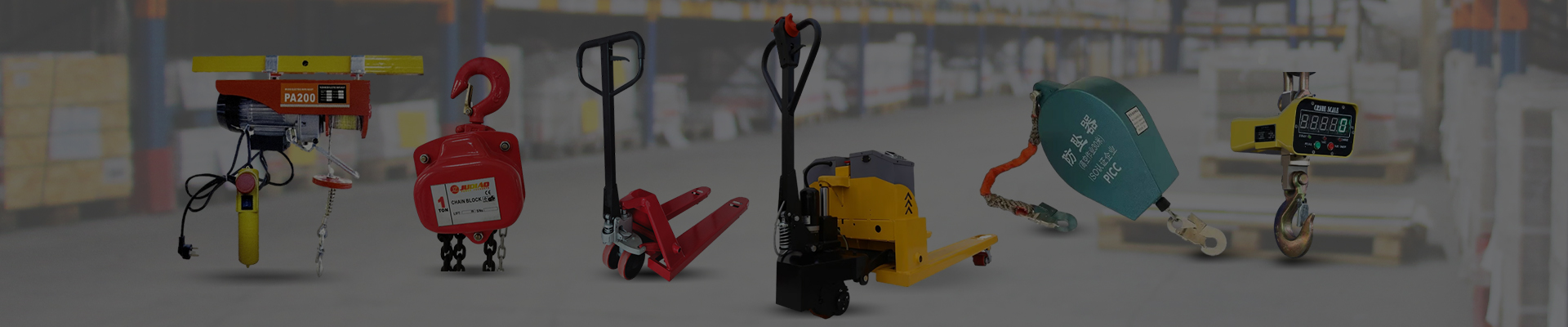


When it comes to lifting heavy loads in industrial settings, a reliable and safe lifting solution is paramount. The chain block 2 ton 10 meter is a popular choice for its durability, efficiency, and relative ease of use. This article will delve into the features, applications, safety considerations, and benefits of utilizing this essential piece of equipment. We’ll cover everything you need to know to determine if a 2 ton chain block is the right lifting solution for your needs.
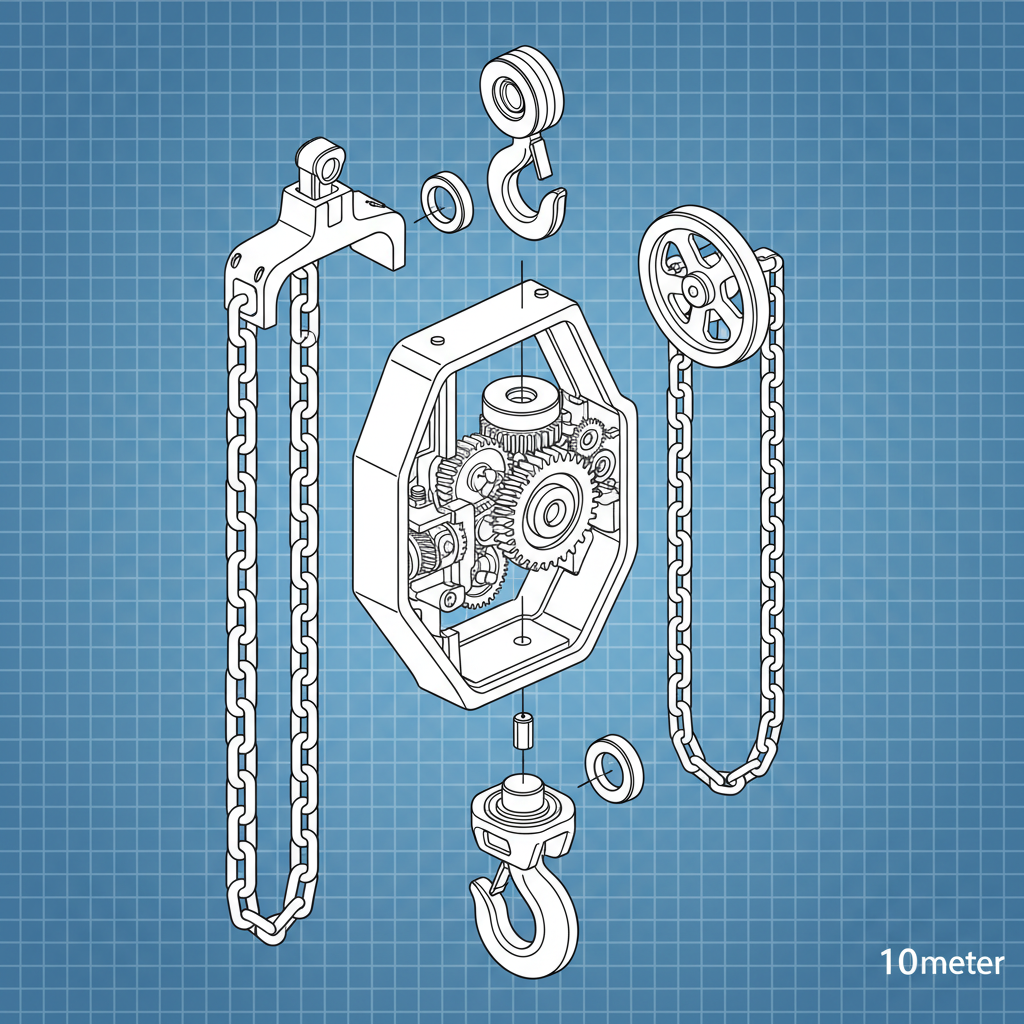
The chain block 2 ton 10 meter features a robust construction, typically utilizing high-strength alloy steel for both the chain and the lifting components. This ensures a significant lifting capacity while maintaining durability and preventing deformation under stress. The 10-meter lifting height provides versatility for a wide range of applications. Its hand-operated design means no electricity is required, making it suitable for various environments. The load chain is typically encased within a durable housing to protect it from dirt, debris, and corrosion. Proper maintenance, including regular lubrication, is crucial for optimal performance and longevity.
Key Highlights: High-strength alloy steel construction, 2-ton lifting capacity, 10-meter lifting height, hand-operated, durable housing, and easy maintenance.
The versatility of the chain block 2 ton 10 meter makes it invaluable across numerous industries. Common applications include: construction sites for lifting materials, manufacturing plants for moving heavy machinery, warehouses for loading and unloading goods, workshops for engine repair, and even automotive garages for engine removal. Its portability makes it suitable for both fixed and mobile lifting applications. It's frequently used in conjunction with slings and other rigging equipment to securely lift and position loads. Choosing the right lifting accessory is just as critical as the block itself for ensuring a safe and efficient lift.
Common Industries Utilizing 2 Ton Chain Blocks:
• Construction
• Manufacturing
• Warehousing
• Automotive Repair
While various lifting solutions exist, the chain block 2 ton 10 meter offers a unique combination of benefits. Compared to electric hoists, it doesn't require a power source, making it suitable for remote locations or environments where electricity is unavailable. Compared to lever hoists, it offers a higher lifting capacity and faster lifting speeds for larger loads. Compared to jacks, it provides more vertical lift and greater control. Here's a comparison table:
Safety is paramount when operating a chain block 2 ton 10 meter. Always inspect the chain for wear, damage, or distortion before each use. Ensure the lifting hook is securely attached to both the load and a suitable lifting point. Never exceed the rated lifting capacity of the block. Avoid side-loading, as this can compromise the integrity of the chain and the block. Keep hands and body clear of the load path during lifting and lowering. Proper training and adherence to safety procedures are essential for preventing accidents.
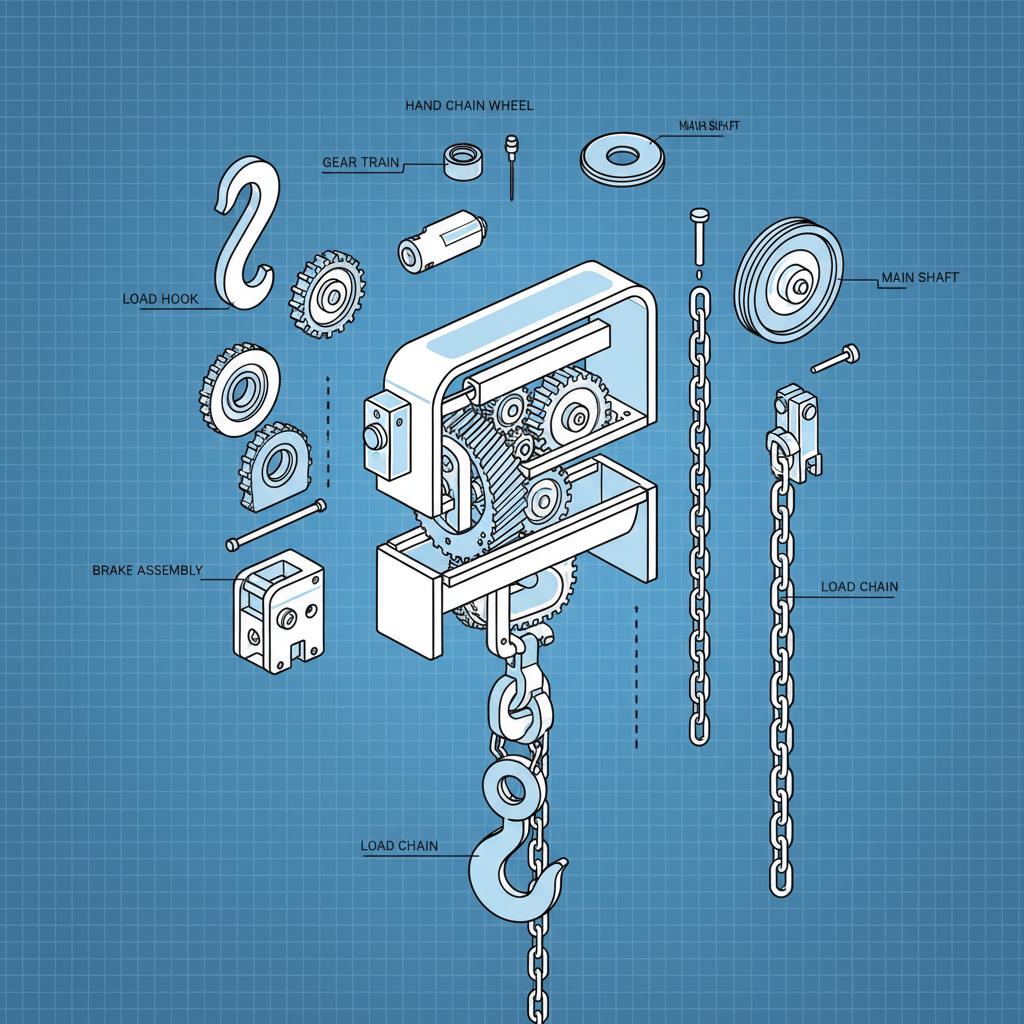
Regular maintenance is critical for ensuring the longevity and safe operation of your chain block 2 ton 10 meter. Periodically clean the chain and housing to remove dirt and debris. Lubricate the chain with a suitable chain lubricant to reduce friction and prevent corrosion. Regularly inspect the chain for wear and tear, and replace it if necessary. Store the block in a dry environment to prevent rust. Following these simple maintenance steps will help you maximize the lifespan of your investment.
The chain block 2 ton 10 meter is a versatile and reliable lifting solution for a wide range of industrial applications. Its durability, ease of use, and relative affordability make it a popular choice for professionals across numerous industries. By prioritizing safety and performing regular maintenance, you can ensure the long-term performance and reliability of this essential piece of equipment.
While labeled as a "2-ton" chain block, the Safe Working Load (SWL) is not precisely 2 tons (2000kg). There's a safety factor built in. Typically, the SWL is around 80% of the rated capacity, meaning for a 2-ton block, the SWL is approximately 1600kg. Always consult the manufacturer's documentation and the markings on the chain block itself to determine the precise SWL. Never exceed the SWL under any circumstances.
The frequency of lubrication depends on the usage and environmental conditions. As a general guideline, lubricate the chain after every 25-50 lifting cycles, or at least monthly, even if the block is not in frequent use. Use a high-quality chain lubricant specifically designed for lifting equipment. This helps reduce friction, prevent corrosion, and extend the chain’s lifespan. Avoid using general-purpose oils or greases, as they can attract dirt and debris.
If you notice any damage to a chain link – such as cracks, elongation, distortion, or corrosion – immediately remove the chain block from service. Do not attempt to repair a damaged chain link. Replace the entire load chain with a new one of the same specification. Continuing to use a damaged chain is extremely dangerous and could lead to a catastrophic failure and serious injury. Contact a qualified rigging professional for assistance if you're unsure.
Absolutely not. Chain blocks are designed for lifting inanimate loads only. They are not certified or intended for lifting personnel. Lifting people with a chain block is extremely dangerous and illegal. Use appropriate personnel lifting equipment, such as a manlift or a properly certified harness and lanyard system, for any lifting of individuals.


 Afrikaans
 Albanian
 Amharic
 Arabic
 Armenian
 Azerbaijani
 Basque
 Belarusian
 Bengali
 Bosnian
 Bulgarian
 Catalan
 Cebuano
 China
China
 China (Taiwan)
 Corsican
 Croatian
 Czech
Czech
 Danish
 Dutch
Dutch
 Esperanto
 Estonian
 Finnish
 French
 Frisian
 Galician
 Georgian
 German
 Greek
Greek
 Gujarati
 Haitian Creole
 Hausa
Hausa
 Hawaiian
 Hebrew
 Hindi
Hindi
 Miao
Miao
 Hungarian
 Icelandic
 Igbo
Igbo
 Indonesian
 Irish
Irish
 Italian
 Japanese
 Javanese
 Kannada
 Kazakh
 Khmer
Khmer
 Rwandese
 Korean
 Kurdish
 Kyrgyz
 Lao
Lao
 Latin
Latin
 Latvian
 Lithuanian
 Luxembourgish
 Macedonian
 Malgashi
 Malay
Malay
 Malayalam
 Maltese
 Maori
Maori
 Marathi
 Mongolian
 Myanmar
 Nepali
 Norwegian
 Norwegian
 Occitan
 Pashto
 Persian
 Polish
 Portuguese
 Punjabi
 Romanian
 Russian
 Samoan
 Scottish Gaelic
 Serbian
 Sesotho
 Shona
Shona
 Sindhi
 Sinhala
 Slovak
 Slovenian
 Somali
 Spanish
 Sundanese
 Swahili
 Swedish
 Tagalog
 Tajik
Tajik
 Tamil
Tamil
 Tatar
Tatar
 Telugu
 Thai
Thai
 Turkish
 Turkmen
 Ukrainian
 Urdu
Urdu
 Uighur
 Uzbek
Uzbek
 Vietnamese
 Welsh
Welsh
 Bantu
Bantu
 Yiddish
 Yoruba
 Zulu
Zulu
 English