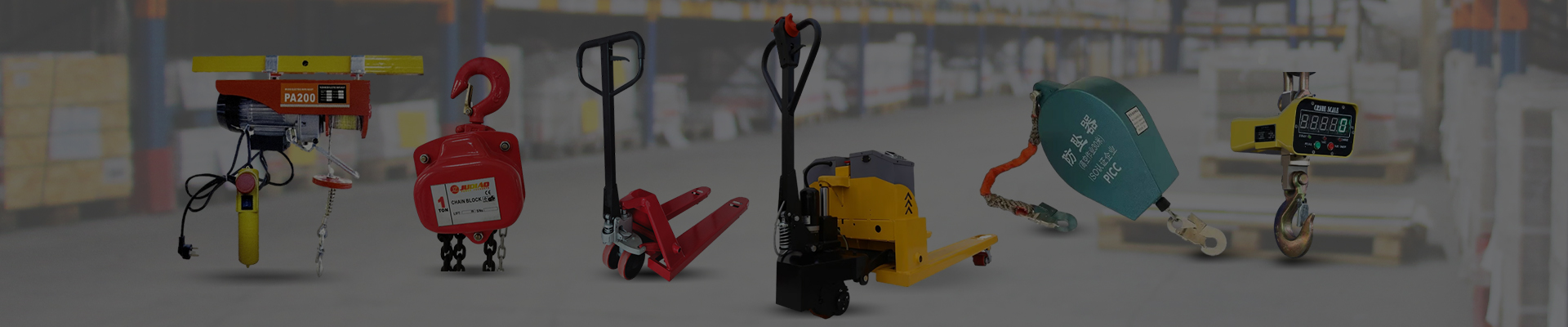


When you hear “one ton chain block,” you might picture a hefty piece of machinery swinging industrial loads effortlessly. But why does this simple lifting tool matter so much worldwide? Well, in industries from construction to shipping, and even humanitarian relief, the ability to reliably lift, position, or secure heavy objects safely can't be overstated. Understanding the one ton chain block unlocks benefits around safety, efficiency, and cost savings, especially in places where heavier cranes aren’t practical or affordable.
Globally, lifting equipment like the one ton chain block plays a vital role—especially in sectors that underpin economic development. The International Organization for Standardization (ISO) tracks rigorous safety standards for such equipment, underscoring its critical use. According to a World Bank report, infrastructure projects in developing countries often rely on compact and cost-efficient lifting tools due to limited resources and rugged terrains. The problem? Heavy machinery isn’t always feasible in remote zones, where one ton chain blocks come to the rescue with their portability and reliability.
Oddly enough, despite advances in automation and robotics, chain blocks endure because they’re simple, mechanical, and extremely durable—qualities hard to replace in harsh environments or where power access is limited.
In straightforward terms, a one ton chain block is a mechanical device used to lift or pull heavy loads, with a rated capacity of one ton (2,000 lbs or approximately 907 kilograms). It works by using a system of gears and a chain loop, manually operated by pulling a hand chain, multiplying human force to hoist heavy weights safely.
This tool bridges a gap between crude manual lifting and large-scale crane operations, making it essential in modern industrial settings and emergency situations where quick, dependable load handling is necessary.
Built with high-grade steel chains and a tough housing shell, these blocks endure years of use under tough conditions. The load chain often exceeds industry specifications for tensile strength, ensuring it won’t fail unexpectedly.
Most units include robust braking systems that lock under load to prevent sudden drops. Some models have overload protection—though users must still respect load limits.
Compact design allows easy transport between sites or vehicles, yet scalable in the sense that multiple chains or blocks can be combined for heavier or complex lifts.
Compared to powered hoisting equipment, the one ton chain block is low maintenance, requires no external power, and has minimal breakdown downtime.
The manual operation requires minimal training but delivers surprisingly precise control—a big plus in tricky lifting scenarios.
| Specification | Detail |
|---|---|
| Rated Capacity | 1 Ton (1000 kg) |
| Chain Material | Heat-treated Alloy Steel |
| Lift Height | 1.5 - 3 meters (varies by model) |
| Brake Type | Load-Sensing Disc Brake |
| Weight (Net) | ~12 - 15 kg |
One ton chain blocks are everywhere — from bustling construction sites in Asia to remote mining zones in Africa. In post-disaster relief operations, for example, NGOs use these devices to clear debris or lift emergency equipment, especially where diesel-powered cranes can’t function due to power cuts or damaged roads.
In industrial zones lacking heavy machinery, manufacturers rely on these blocks to position parts during assembly or maintenance. Oddly enough, even entertainment rigs for concerts sometimes use chain blocks for lifting lighting and sound equipment securely.
Regions like Southeast Asia and Sub-Saharan Africa value the one ton chain block for its affordability and ruggedness. These areas have rising industrial activities but often face inconsistent electricity availability, so manual chain blocks fill that operational gap.
On a human level, workers often feel safer knowing the load won’t slip unexpectedly. It’s an emotional reassurance that blends with the logic of sound engineering design.
Advancements are subtle yet significant. Manufacturers now use advanced alloys and corrosion-resistant coatings to boost durability. The rise of digitization inspires “smart” chain blocks that monitor load tension and usage via sensors — a fairly new idea aiming to reduce accidents and downtime.
Sustainability initiatives are pushing eco-friendly materials and manufacturing processes too. Some vendors experiment with lightweight composites to reduce operator fatigue without losing strength.
Chain blocks are fundamentally mechanical and depend on meticulous maintenance. A common challenge? Chain corrosion or brake wear causing failure risk. Training and scheduled inspections remain key to safe use. Frankly, even the best chain block won’t help much if neglected.
Innovatively, some companies now combine traditional chain blocks with digital inspection apps that prompt service reminders and record maintenance history — useful for safety compliance.
| Vendor | Price Range | Key Features | Warranty |
|---|---|---|---|
| QYJuli Industries | $80 - $120 | Corrosion-resistant, ergonomic chain, smart sensor option | 2 Years |
| Lifthoist Ltd. | $70 - $110 | Heavy-duty brake, heat-treated chain, compact design | 1 Year |
| Atlas Chains | $90 - $130 | Advanced load sensor, high-lift height options | 3 Years |
Summing up, the one ton chain block represents a perfect mix of simplicity, strength, and affordability. It solves real-world lifting challenges globally, especially in locations where resources or power are scarce. With continued innovation and proper usage, this humble tool will keep lifting industries safely and sustainably for years to come. For anyone involved in lifting or rigging work, diving deeper into its possibilities is worth the time. Visit our website to explore quality one ton chain blocks tailored to your needs.
Takeaway: In heavy lifting, sometimes it’s the simple gear—like the trusty one ton chain block—that carries the most weight in terms of reliability and trust.


 Afrikaans
 Albanian
 Amharic
 Arabic
 Armenian
 Azerbaijani
 Basque
 Belarusian
 Bengali
 Bosnian
 Bulgarian
 Catalan
 Cebuano
 China
China
 China (Taiwan)
 Corsican
 Croatian
 Czech
Czech
 Danish
 Dutch
Dutch
 Esperanto
 Estonian
 Finnish
 French
 Frisian
 Galician
 Georgian
 German
 Greek
Greek
 Gujarati
 Haitian Creole
 Hausa
Hausa
 Hawaiian
 Hebrew
 Hindi
Hindi
 Miao
Miao
 Hungarian
 Icelandic
 Igbo
Igbo
 Indonesian
 Irish
Irish
 Italian
 Japanese
 Javanese
 Kannada
 Kazakh
 Khmer
Khmer
 Rwandese
 Korean
 Kurdish
 Kyrgyz
 Lao
Lao
 Latin
Latin
 Latvian
 Lithuanian
 Luxembourgish
 Macedonian
 Malgashi
 Malay
Malay
 Malayalam
 Maltese
 Maori
Maori
 Marathi
 Mongolian
 Myanmar
 Nepali
 Norwegian
 Norwegian
 Occitan
 Pashto
 Persian
 Polish
 Portuguese
 Punjabi
 Romanian
 Russian
 Samoan
 Scottish Gaelic
 Serbian
 Sesotho
 Shona
Shona
 Sindhi
 Sinhala
 Slovak
 Slovenian
 Somali
 Spanish
 Sundanese
 Swahili
 Swedish
 Tagalog
 Tajik
Tajik
 Tamil
Tamil
 Tatar
Tatar
 Telugu
 Thai
Thai
 Turkish
 Turkmen
 Ukrainian
 Urdu
Urdu
 Uighur
 Uzbek
Uzbek
 Vietnamese
 Welsh
Welsh
 Bantu
Bantu
 Yiddish
 Yoruba
 Zulu
Zulu
 English