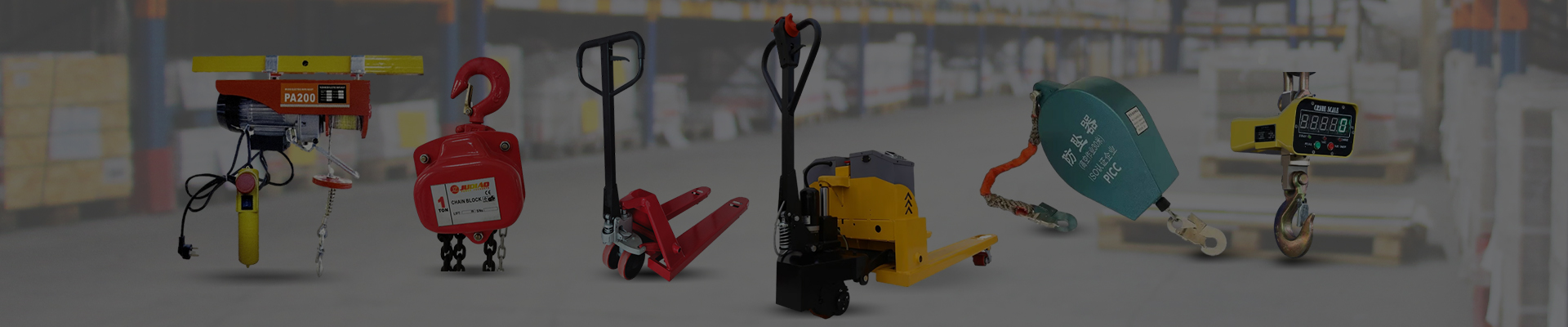


In the vast landscape of industrial lifting equipment, the chain block 1t stands out as an essential tool that quietly powers operations worldwide. Whether it's construction sites, warehouses, or disaster relief efforts, this humble piece of machinery plays a critical role. But why does a device designed to lift one ton matter so much globally? Well, mastering the uses and benefits of the chain block 1t not only improves safety but enhances productivity and cost-efficiency across industries.
Mini takeaway: Chain blocks are unsung heroes in sectors requiring safe, reliable lifting of heavy loads, especially models with a one-ton capacity aimed at medium-duty tasks.
Globally, industries are expanding, and the demand for safe lifting mechanisms is soaring. According to the International Labour Organization (ILO), workplace accidents due to improper load handling cost billions yearly, emphasizing the need for dependable lifting tools. The chain block 1t aligns perfectly with this, offering a straightforward solution for mid-range hoisting tasks.
Think of infrastructure projects in Asia or construction booms in Africa—both rely heavily on equipment like the chain block 1t. Yet, a recurring challenge remains: balancing cost with reliability. A poorly chosen hoist can disrupt timelines, increase risks, or cause financial losses. So understanding the chain block’s specifications and applications matters beyond just picking a tool—it’s about operational success.
Simply put, a chain block 1t is a manual hoist designed to lift loads up to one metric ton (1000 kg). It uses a chain loop connected to a gear system allowing operators to apply minimal force to lift heavy objects vertically. Unlike electric or pneumatic hoists, the chain block operates purely by hand, which means its simplicity translates into reliability in remote or power-scarce settings.
The device’s design is straightforward but ingenious: a sturdy hook holds the load, a hand chain pulls the mechanism, and a load chain lifts the cargo. This makes it highly versatile, dependable for use not only in factories and construction but also in humanitarian contexts where simplicity and durability are life-saving.
Mini takeaway: By focusing on durability, safety, and portability, chain block 1t models deliver a dependable solution where it counts most.
| Feature | Specification |
|---|---|
| Rated Load Capacity | 1 Ton (1000 kg) |
| Lift Height | 1.5 to 3 meters (varies by model) |
| Material | Forged Alloy Steel Chains, Steel Frame |
| Operation | Manual Hand Chain |
| Safety Features | Load Brake System, Overload Protection |
Oddly enough, you can spot chain blocks 1t in all sorts of places. In Southeast Asia, for example, construction teams use them extensively to hoist heavy materials in cramped urban zones where cranes might not fit. Similarly, mining operations in South America rely on these devices for transporting equipment and supplies across rugged terrain.
Moreover, NGOs engaged in disaster relief often bring chain block 1t units for debris clearance or shelter construction. Their hands-on reliability becomes invaluable when power grids are down or in makeshift camps. For those working in the maritime industry, these hoists assist in loading cargo safely on docks—small but mighty tools.
Mini takeaway: The chain block 1t isn’t just an industrial accessory; it’s a versatile tool bridging challenges across continents and sectors.
This blend of emotional trust and logical soundness explains why these tools remain industry staples, despite advancements in electric and hydraulic lifts.
Tech is bubbling up even here. Some manufacturers are experimenting with lightweight alloys and corrosion-resistant materials to boost longevity—critical for coastal or humid regions. Others are integrating digital load indicators or IoT-enabled safety alerts, though these are more common in higher capacity hoists.
Green policies are spurring more eco-friendly manufacturing processes. Plus, as automation enters more corners of industry, smart chain blocks might link to broader inventory or project management systems—just imagine a chain block 1t that self-detects overload and logs usage data automatically.
Mini takeaway: While the basic design endures, digital and material innovations promise exciting upgrades to chain block performance and safety.
Of course, no tool is perfect. Limitations of manual chain blocks include slower lifting speed and dependency on operator strength, which might be an issue for extended use. Exposure to harsh environments can also accelerate wear.
Experts suggest routine inspections and training for operators to maximize safety and lifespan. Innovations like ergonomic handles and modular parts make maintenance friendlier for remote users. Plus, supplementing chain blocks with powered alternatives in high-volume sites balances speed with safety.
| Vendor | Material Quality | Safety Features | Price Range (USD) | Warranty |
|---|---|---|---|---|
| LiftMaster Co. | Forged Alloy Steel | Overload Protection, Safety Latch | $120–$140 | 2 years |
| HoistPro Ltd. | Chrome-Plated Steel | Dual Brake System | $130–$150 | 3 years |
| EconoLift | Standard Steel (Painted) | Basic Load Brake | $90–$110 | 1 year |
The chain block 1t is simultaneously simple and profound. It embodies the core industrial principles of safety, efficiency, and accessibility, making it a cornerstone lifting device worldwide. Whether for rugged construction, humanitarian work, or small-scale manufacturing, its continued evolution and relevance are clear.
If you’re looking to explore reliable lifting options that won’t break the bank or the workflow, a quality chain block 1t is your friend. For further details and purchase info, do visit our website.
Final thought: Sometimes, the simplest tools carry the greatest weight—literally and figuratively.
References:


 Afrikaans
 Albanian
 Amharic
 Arabic
 Armenian
 Azerbaijani
 Basque
 Belarusian
 Bengali
 Bosnian
 Bulgarian
 Catalan
 Cebuano
 China
China
 China (Taiwan)
 Corsican
 Croatian
 Czech
Czech
 Danish
 Dutch
Dutch
 Esperanto
 Estonian
 Finnish
 French
 Frisian
 Galician
 Georgian
 German
 Greek
Greek
 Gujarati
 Haitian Creole
 Hausa
Hausa
 Hawaiian
 Hebrew
 Hindi
Hindi
 Miao
Miao
 Hungarian
 Icelandic
 Igbo
Igbo
 Indonesian
 Irish
Irish
 Italian
 Japanese
 Javanese
 Kannada
 Kazakh
 Khmer
Khmer
 Rwandese
 Korean
 Kurdish
 Kyrgyz
 Lao
Lao
 Latin
Latin
 Latvian
 Lithuanian
 Luxembourgish
 Macedonian
 Malgashi
 Malay
Malay
 Malayalam
 Maltese
 Maori
Maori
 Marathi
 Mongolian
 Myanmar
 Nepali
 Norwegian
 Norwegian
 Occitan
 Pashto
 Persian
 Polish
 Portuguese
 Punjabi
 Romanian
 Russian
 Samoan
 Scottish Gaelic
 Serbian
 Sesotho
 Shona
Shona
 Sindhi
 Sinhala
 Slovak
 Slovenian
 Somali
 Spanish
 Sundanese
 Swahili
 Swedish
 Tagalog
 Tajik
Tajik
 Tamil
Tamil
 Tatar
Tatar
 Telugu
 Thai
Thai
 Turkish
 Turkmen
 Ukrainian
 Urdu
Urdu
 Uighur
 Uzbek
Uzbek
 Vietnamese
 Welsh
Welsh
 Bantu
Bantu
 Yiddish
 Yoruba
 Zulu
Zulu
 English