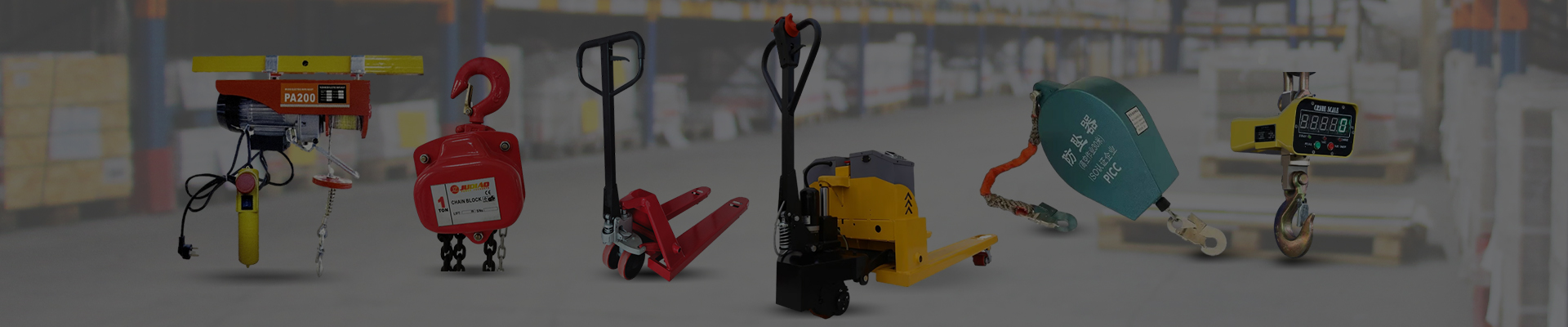


Chain Pulley Block Types are a key solution in the industry, specifically within heavy lifting and material handling sectors. This article explores how https://www.qyjuli.com supports professionals with durable, high-performance products, and explains why this product is an ideal choice for businesses in these sectors.
Let’s start with what chain pulley block types actually are. Simply put, these are mechanical devices used to lift or pull heavy objects by applying force through a system of chains and pulleys. They’re indispensable in factories, construction sites, shipyards—you name it. The diversity in types lies mainly in their lifting capacity, design variations, and operational environment suitability.
For example, manual chain pulley blocks offer straightforward, durable solutions without complex power needs, while lever hoists provide more portable, versatile lifting options. Then you have electric or pneumatic variants for heavier industrial applications where speed and automation count.
If you peek at QYJuli’s catalog, you'll notice specifications tailored for rigorous industrial use—load capacities ranging from as low as 0.25 tons to over 20 tons, with robust steel chains treated for corrosion resistance and precision-milled gears for smooth operation.
| Specification | Details |
|---|---|
| Lifting Capacity | 0.25 tons to 20 tons+ |
| Chain Material | Alloy Steel, Zinc-Plated |
| Operation Type | Manual, Electric, Pneumatic |
| Safety Standard | EN 13157, ISO 9001 certified |
| Chain Diameter | 6mm - 14mm |
Now, why do businesses rely so much on chain pulley block types? It’s more than just lifting stuff—these tools affect efficiency and safety in tangible ways. Take construction: lifting steel frames or heavy machinery into place without risking workers’ safety is critical. Chain pulley blocks provide precise control and can be deployed in tight spaces where cranes might not fit.
Another advantage is portability, especially with lever hoists, which are lightweight and easy to maneuver. It’s a classic story; a manufacturer told me recently that switching to a reputable chain pulley block provider like QYJuli reduced downtime and saved labor hours. The industry demands reliability, and these blocks meet that with high tensile strength and strict quality assurance.
Oddly enough, some users note that the smooth operation—not just raw power—makes a difference. Less jerky lifts mean less strain on both equipment and personnel, improving lifespan and safety. Plus, modular designs make it easier to replace parts, which is a subtle but big win in long-term operations.
Total cost of ownership often surprises new buyers. While top-tier chain pulley block types from names like QYJuli might have a higher upfront price than generic imports, they tend to pay off through durability and low maintenance. It’s not uncommon for equipment to last 10+ years if cared for properly—think regular lubrication and chain inspections.
One intriguing insight from customer feedback is how intuitive the manual blocks are. For many workers, a good chain block “feels” right in the hand, allowing them to lift heavy loads with confidence—and less fatigue. Industrial customers report fewer accidents and smoother workflows, which we all know translates into actual dollars saved and crews kept healthy.
Here’s a quick comparison of major vendors to consider:
| Vendor | Product Range | Pricing | Warranty | Global Reach |
|---|---|---|---|---|
| QYJuli | Manual, Electric, Lever Hoists | Mid-Range | 2 Years | Extensive |
| Brand X | Manual Blocks Only | Lower-End | 1 Year | Limited |
| Brand Y | Electric Only | Premium | 3 Years | Moderate |
In today’s industrial landscape, sustainability is more than a buzzword; it’s becoming a strict requirement. Manufacturers of chain pulley block types are stepping up, implementing greener processes and materials. For instance, heat-treated alloy steels reduce material waste by extending component lifespan, which in real terms means fewer replacements and less landfill.
Regulatory bodies increasingly demand compliance with safety and environmental standards, such as ISO 9001 & 14001 certifications. QYJuli, for instance, rigorously tests their blocks and integrates eco-friendly coatings to resist rust without toxic chemicals. It’s a delicate balance between high performance and environmental responsibility that customers appreciate more and more.
Looking ahead, the rise of smart manufacturing could influence chain pulley block types too — imagine real-time load monitoring and remote diagnostics reducing accidents and maintenance costs. The industry is primed for steady growth, driven largely by infrastructure projects and expanding logistics needs worldwide.
In sum, Chain Pulley Block Types offer a robust, cost-effective, and safe solution for a wide range of heavy lifting challenges. Whether you’re managing a busy construction site or running a complex manufacturing line, investing in quality chain pulley blocks like those from QYJuli can pay dividends in reliability and operational efficiency.
Sometimes the simplest-looking tool hides the most in-depth engineering and experience... chain pulley blocks are one of those underrated giants in industry.


 Afrikaans
 Albanian
 Amharic
 Arabic
 Armenian
 Azerbaijani
 Basque
 Belarusian
 Bengali
 Bosnian
 Bulgarian
 Catalan
 Cebuano
 China
China
 China (Taiwan)
 Corsican
 Croatian
 Czech
Czech
 Danish
 Dutch
Dutch
 Esperanto
 Estonian
 Finnish
 French
 Frisian
 Galician
 Georgian
 German
 Greek
Greek
 Gujarati
 Haitian Creole
 Hausa
Hausa
 Hawaiian
 Hebrew
 Hindi
Hindi
 Miao
Miao
 Hungarian
 Icelandic
 Igbo
Igbo
 Indonesian
 Irish
Irish
 Italian
 Japanese
 Javanese
 Kannada
 Kazakh
 Khmer
Khmer
 Rwandese
 Korean
 Kurdish
 Kyrgyz
 Lao
Lao
 Latin
Latin
 Latvian
 Lithuanian
 Luxembourgish
 Macedonian
 Malgashi
 Malay
Malay
 Malayalam
 Maltese
 Maori
Maori
 Marathi
 Mongolian
 Myanmar
 Nepali
 Norwegian
 Norwegian
 Occitan
 Pashto
 Persian
 Polish
 Portuguese
 Punjabi
 Romanian
 Russian
 Samoan
 Scottish Gaelic
 Serbian
 Sesotho
 Shona
Shona
 Sindhi
 Sinhala
 Slovak
 Slovenian
 Somali
 Spanish
 Sundanese
 Swahili
 Swedish
 Tagalog
 Tajik
Tajik
 Tamil
Tamil
 Tatar
Tatar
 Telugu
 Thai
Thai
 Turkish
 Turkmen
 Ukrainian
 Urdu
Urdu
 Uighur
 Uzbek
Uzbek
 Vietnamese
 Welsh
Welsh
 Bantu
Bantu
 Yiddish
 Yoruba
 Zulu
Zulu
 English