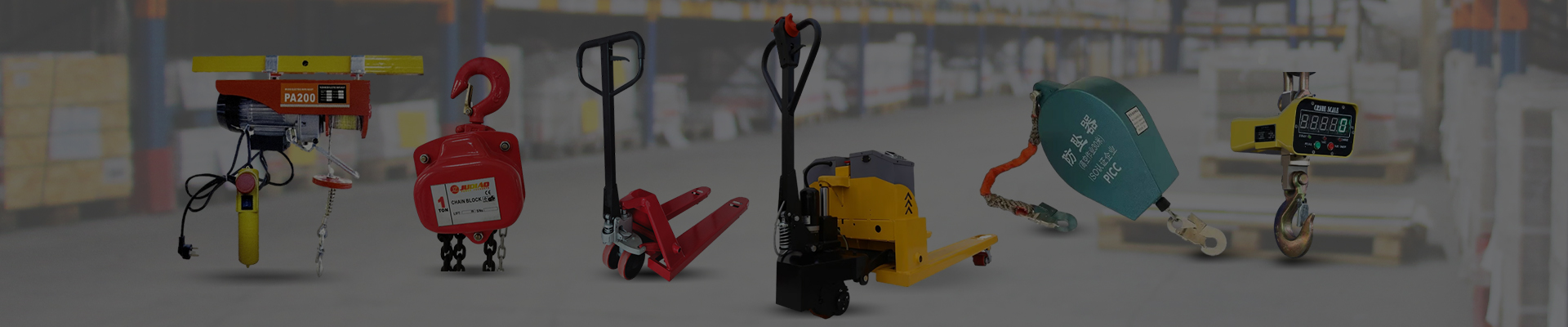


The 5 ton chain hoist might sound like just another piece of heavy equipment, but in reality, it's an unsung hero in industries worldwide. Whether in construction, shipping, manufacturing, or disaster relief, these robust devices pump muscle into lifting tasks that sheer human force just can't handle. Globally, as infrastructure projects and industrial productivity scale up, understanding the capabilities and advantages of such a hoist becomes essential—not just for technicians, but for managers, safety inspectors, and procurement specialists alike.
To put it in perspective, the World Bank reports that infrastructure investments across emerging economies continue to grow by nearly 3% annually. These projects rely heavily on reliable lifting equipment that balances power and precision. According to ISO standards on lifting equipment, the 5 ton chain hoist strikes a sweet spot—strong enough for heavy loads, yet versatile enough for varied applications.
However, the challenge lies in ensuring safety and efficiency during hoist operation. Mishaps during lifting operations cost industries billions and harm trust worldwide. This is where a trusted 5 ton chain hoist plays a vital role: helping to reduce accidents and downtime while improving overall operational workflows.
Simply put, a 5 ton chain hoist is a mechanical device designed to lift and lower heavy loads — up to five tons — by using a chain loop powered by manual force or sometimes by electric motors. The device consists of a pulley system which multiplies the operator’s effort, making the lifting of bulky or heavy objects manageable and safe.
Its relevance extends beyond industry; in humanitarian scenarios, for example, rescue operations may use these hoists to move debris or assist with vehicle recovery, highlighting their critical, cross-sectoral application.
Engineered with high-grade alloy steel chains and reinforced gears, these hoists often resist corrosion and wear, accommodating harsh environments like shipyards or outdoor construction sites.
The 5 ton rating is a benchmark that offers flexibility. It's capable enough for heavy-duty tasks but still portable and adaptable for smaller projects, which means businesses can standardize equipment across diverse site conditions.
Compared to other lifting tools like cranes, chain hoists are surprisingly pocket-friendly. This balance of affordability and performance leads to reduced capital expenditure over time.
Modern 5 ton chain hoists often incorporate load brakes and overload protection, reducing the risk of accidents—a non-negotiable in today’s safety-focused culture.
Chain hoists typically have fewer moving parts than alternatives, which makes troubleshooting and repairs less costly and quicker—great news when every minute counts.
| Specification | Details |
|---|---|
| Load Capacity | 5 tons (10,000 lbs) |
| Chain Material | High-tensile alloy steel |
| Lift Height | Standard 3 meters (customizable) |
| Operation Type | Manual or electric options |
| Weight of Hoist | Approx. 50 kg |
| Safety Features | Load brake, overload protection |
Globally, 5 ton chain hoists show up in all sorts of scenarios. In Southeast Asia’s bustling shipyards, for instance, they help maneuver heavy engine parts during assembly. Meanwhile, European construction firms count on them for erecting steel frameworks safely and reliably.
In humanitarian missions, like post-tsunami rebuilding in the Indian Ocean region, these hoists assist in clearing debris and rebuilding infrastructure—a lifeline in arduous conditions. Also, remote mining camps use them extensively due to their reliability and relative portability.
Interestingly, many engineers I spoke with noted that the simplicity of chain hoists means field repairs or modifications are possible even with limited resources, which adds to their global appeal.
| Vendor | Price Range (USD) | Warranty | Notable Feature |
|---|---|---|---|
| LiftPro | $700 - $900 | 2 years | Ergonomic chain grip |
| MaxHoist | $850 - $1,100 | 3 years | Integrated load limiter |
| ChainMaster | $780 - $950 | 1.5 years | Weather-resistant coating |
What really sets the 5 ton chain hoist apart in the long run? Well, it's reliable and cost-effective for starters. Many operations managers swear by the tool's durability—cutting replacement and downtime costs without skimping on safety.
On a social level, using these hoists respectfully handles heavy materials, protecting workers from injury-related stress and fostering a culture of safety. There's a dignity in knowing your tools uphold both efficiency and care.
Looking ahead, expect smart chain hoists that integrate IoT sensors for real-time load monitoring and predictive maintenance. Green energy use—like compact solar-powered electric hoists—is already being piloted in remote sites.
Materials science is also advancing, with ultra-lightweight alloys promising easier transport without sacrificing strength. Automation might streamline repetitive lifting tasks, yet the hands-on control of manual chain hoists still holds value for adaptability.
Of course, there are practical hurdles. Chain wear, user error, and environmental corrosion remain persistent problems. However, innovations such as self-lubricating chains and more intuitive operator training modules are gaining traction.
In real terms, ensuring regular inspection and employing certified technicians is the absolute best fix for many issues—basic maintenance often outperforms any fancy tech.
In sum, the 5 ton chain hoist isn’t just a tool—it’s a vital industrial partner that offers strength, safety, and scalability across diverse applications around the globe. Whether you’re constructing skyscrapers, shipping cargo, or working in disaster recovery, its value is undeniable. If you want to explore quality options or get detailed specs, I recommend visiting 5 ton chain hoist for trusted products and expert advice.
Reliable lifting is a baseline for progress—invest wisely and lift confidently.
Mini Takeaway: The 5 ton chain hoist uniquely combines power, affordability, and safety, making it indispensable in today’s diverse industrial landscapes.
References:
1. International Organization for Standardization, ISO 12100 - Safety of Machinery (https://www.iso.org/standard/51528.html)
2. World Bank Infrastructure Data (https://www.worldbank.org/en/topic/infrastructure)
3. Wikipedia: Chain Hoist (https://en.wikipedia.org/wiki/Chain_hoist)


 Afrikaans
 Albanian
 Amharic
 Arabic
 Armenian
 Azerbaijani
 Basque
 Belarusian
 Bengali
 Bosnian
 Bulgarian
 Catalan
 Cebuano
 China
China
 China (Taiwan)
 Corsican
 Croatian
 Czech
Czech
 Danish
 Dutch
Dutch
 Esperanto
 Estonian
 Finnish
 French
 Frisian
 Galician
 Georgian
 German
 Greek
Greek
 Gujarati
 Haitian Creole
 Hausa
Hausa
 Hawaiian
 Hebrew
 Hindi
Hindi
 Miao
Miao
 Hungarian
 Icelandic
 Igbo
Igbo
 Indonesian
 Irish
Irish
 Italian
 Japanese
 Javanese
 Kannada
 Kazakh
 Khmer
Khmer
 Rwandese
 Korean
 Kurdish
 Kyrgyz
 Lao
Lao
 Latin
Latin
 Latvian
 Lithuanian
 Luxembourgish
 Macedonian
 Malgashi
 Malay
Malay
 Malayalam
 Maltese
 Maori
Maori
 Marathi
 Mongolian
 Myanmar
 Nepali
 Norwegian
 Norwegian
 Occitan
 Pashto
 Persian
 Polish
 Portuguese
 Punjabi
 Romanian
 Russian
 Samoan
 Scottish Gaelic
 Serbian
 Sesotho
 Shona
Shona
 Sindhi
 Sinhala
 Slovak
 Slovenian
 Somali
 Spanish
 Sundanese
 Swahili
 Swedish
 Tagalog
 Tajik
Tajik
 Tamil
Tamil
 Tatar
Tatar
 Telugu
 Thai
Thai
 Turkish
 Turkmen
 Ukrainian
 Urdu
Urdu
 Uighur
 Uzbek
Uzbek
 Vietnamese
 Welsh
Welsh
 Bantu
Bantu
 Yiddish
 Yoruba
 Zulu
Zulu
 English