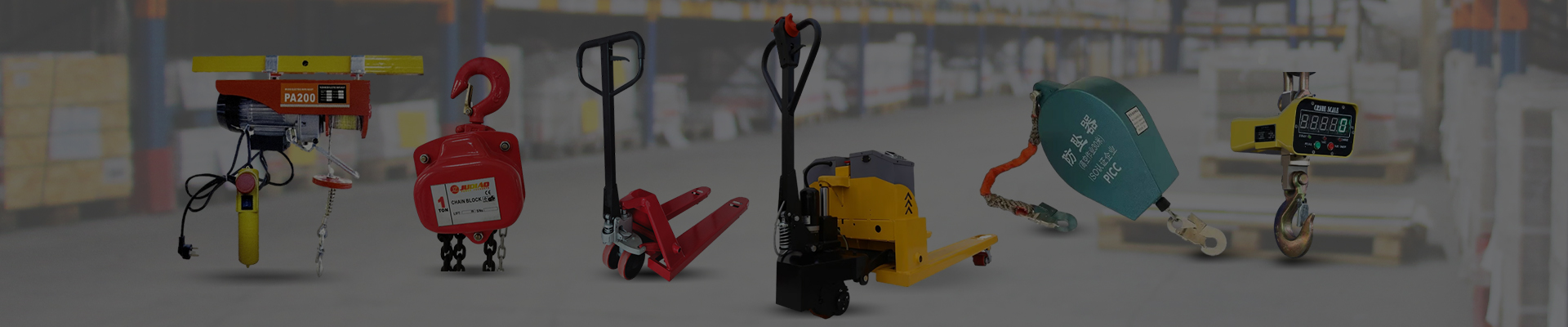


Chain blocks may sound like old-school equipment from a bygone era, but they’re still very much the unsung heroes in global heavy lifting and industrial operations. Basically, a chain block is a device that helps lift, lower, or pull heavy loads using a chain loop and geared mechanism. This simple yet sturdy tool plays a massive role wherever heavy materials need to be shifted safely and efficiently — be it construction sites in Nairobi, shipyards in Rotterdam, or humanitarian relief zones in Haiti.
Understanding chain blocks isn’t just about knowing your toolbox. The equipment underpins crucial industries worldwide and intersects with global goals like reducing workplace injuries, improving productivity, and boosting infrastructure development. In essence, getting to grips with chain blocks is a small insight into how some of the world’s heaviest tasks get done without a sweat.
In today’s fast-moving industries, the demand for reliable lifting tools has surged. According to the International Labour Organization (ILO), manual handling injuries represent a significant share of workplace incidents worldwide. Chain blocks, by reducing manual effort, are a practical answer to such challenges.
Moreover, the World Bank estimates a global construction market worth $15 trillion by 2030, with developing economies driving much of this growth. Naturally, chain blocks appear on nearly every site, enabling workers to move heavy materials safely. The ISO standards also emphasize mechanical lifting safety — chain blocks frequently meet these tough requirements.
Yet there is a bigger challenge lurking: how do you maintain reliable lifting gear in remote, harsh environments? Supply chains are often strained, and breakdowns cause costly delays. Chain blocks, if chosen right, simplify maintenance and cut downtime, which is a lifeline for many industrial and humanitarian operations.
Simply put, a chain block (also called a chain hoist) is a manual or powered lifting device that uses a looped chain threaded over a set of gears to multiply force. When you pull the hand chain, the load chain moves over sprockets and a brake system engages to hold the load securely. The operator can lift heavy items many times stronger than their own weight by leveraging the chain’s mechanical advantage.
Chain blocks are surprisingly versatile. In modern industries, from mining to shipping to emergency rescue, these devices remain a dependable choice because of their durability, simple mechanism, and ease of repair.
For example, in disaster relief scenarios, where electric power may be intermittent, the low-tech hand chain block can literally save lives by quickly clearing debris or moving heavy supplies. They're compact, lasting, and can be operated by almost anyone after minimal instruction.
Chain blocks are made to withstand tough work environments. Components like alloy steel chains, heat-treated gears, and corrosion-resistant finishes mean many chain blocks can run for years, even outdoors in salty or dusty conditions.
From smaller 0.5-tonne units for light manufacturing to massive 20-tonne beasts for heavy industrial work, choosing the right load capacity is critical. Overloading is a safety hazard, but underestimating requirements wastes efficiency.
Brakes that hold loads without slippage, overload protection devices, and compliant design to international standards all help reduce risk to workers and costly accidents. Some chain blocks offer dual braking systems — a feature often required by OSHA and ISO regulations.
Compact size and relatively low weight for their capacity mean chain blocks can be moved easily between jobsites. Smooth operation, intuitive controls, and minimal training needs make them practical tools for dynamic work environments.
Because chain blocks mostly rely on mechanical components like gears and chains, many repairs can be done on site without specialized equipment. Parts availability and vendor support play a huge role in long-term economics.
| Specification | Typical Range / Feature |
|---|---|
| Load Capacity | 0.5 - 20 tonnes |
| Lift Height | 1.5 - 30 meters |
| Chain Material | Alloy Steel, Heat-Treated |
| Safety Brake Type | Manual / Dual Brake Options |
| Weight | 5 - 80 kg (varies by capacity) |
| Compliance | ISO 9001, CE, OSHA Standards |
Chain blocks have a kind of universal presence, you see:
One interesting case: A relief NGO successfully used hand chain blocks to clear collapsed structures in Nepal after the 2015 earthquake, showcasing how a simple tool can facilitate complex rescue efforts without heavy equipment.
It’s this blend of practicality and dependability that makes chain blocks enduring in an age obsessed with high-tech gear.
It might surprise some, but chain blocks are quietly evolving. Today we see innovations like:
These trends hint at a future where even manual lifting gear contributes to safer, smarter, and greener industry practices — a modest but essential step in sustainable development.
Still, no tool is perfect. Chain blocks face challenges like:
Smart solutions involve routine inspections, better user training programs, and weatherproof coatings. Also, sourcing from reputable vendors who offer comprehensive after-sales support and genuine parts can make all the difference.
| Vendor | Load Capacity (tonnes) | Warranty | Price Range (USD) | Global Support |
|---|---|---|---|---|
| LiftMaster Pro | 0.5 – 10 | 2 Years | $150-$800 | Yes |
| HeavyHoist Corp. | 1 – 20 | 3 Years | $300-$1,500 | Regional |
| Global ChainGear | 0.75 – 15 | 1 Year | $200-$900 | Yes |
A1: Always select a chain block with a load capacity exceeding your heaviest expected load by at least 20% to ensure safety margins. Check manufacturer specs and consider lift height and operating environment as well.
A2: Yes, provided it has corrosion-resistant coatings and proper maintenance. It’s crucial to regularly inspect for rust or wear and lubricate moving parts after exposure to moisture to prolong life.
A3: Regular inspection for chain damage, lubrication of gears, testing the brake system, and cleaning after use. Keep detailed records per ISO safety guidelines to ensure compliance and longevity.
A4: Electric chain blocks exist and are great for high-frequency lifting with less physical effort. However, they require power sources and usually cost more. Manual blocks are preferred for simplicity and portability.
A5: Absolutely. Many vendors offer custom chains, hooks, and load capacities tailored for unique tasks or environmental conditions. Ask your supplier about available options and certifications.
It’s funny how something as simple as a chain block keeps proving its worth across the globe. They’re quietly foundational — durable, safe, and efficient tools that save costs and lives alike. Whether you’re building skyscrapers, repairing ships, or managing disaster zones, chain blocks provide trusted performance time and time again.
If you want to explore top-quality chain block models or need expert advice, visit our website: chain block. There’s a lot more to lifting than meets the eye, and the right tools make all the difference.
References:


 Afrikaans
 Albanian
 Amharic
 Arabic
 Armenian
 Azerbaijani
 Basque
 Belarusian
 Bengali
 Bosnian
 Bulgarian
 Catalan
 Cebuano
 China
China
 China (Taiwan)
 Corsican
 Croatian
 Czech
Czech
 Danish
 Dutch
Dutch
 Esperanto
 Estonian
 Finnish
 French
 Frisian
 Galician
 Georgian
 German
 Greek
Greek
 Gujarati
 Haitian Creole
 Hausa
Hausa
 Hawaiian
 Hebrew
 Hindi
Hindi
 Miao
Miao
 Hungarian
 Icelandic
 Igbo
Igbo
 Indonesian
 Irish
Irish
 Italian
 Japanese
 Javanese
 Kannada
 Kazakh
 Khmer
Khmer
 Rwandese
 Korean
 Kurdish
 Kyrgyz
 Lao
Lao
 Latin
Latin
 Latvian
 Lithuanian
 Luxembourgish
 Macedonian
 Malgashi
 Malay
Malay
 Malayalam
 Maltese
 Maori
Maori
 Marathi
 Mongolian
 Myanmar
 Nepali
 Norwegian
 Norwegian
 Occitan
 Pashto
 Persian
 Polish
 Portuguese
 Punjabi
 Romanian
 Russian
 Samoan
 Scottish Gaelic
 Serbian
 Sesotho
 Shona
Shona
 Sindhi
 Sinhala
 Slovak
 Slovenian
 Somali
 Spanish
 Sundanese
 Swahili
 Swedish
 Tagalog
 Tajik
Tajik
 Tamil
Tamil
 Tatar
Tatar
 Telugu
 Thai
Thai
 Turkish
 Turkmen
 Ukrainian
 Urdu
Urdu
 Uighur
 Uzbek
Uzbek
 Vietnamese
 Welsh
Welsh
 Bantu
Bantu
 Yiddish
 Yoruba
 Zulu
Zulu
 English