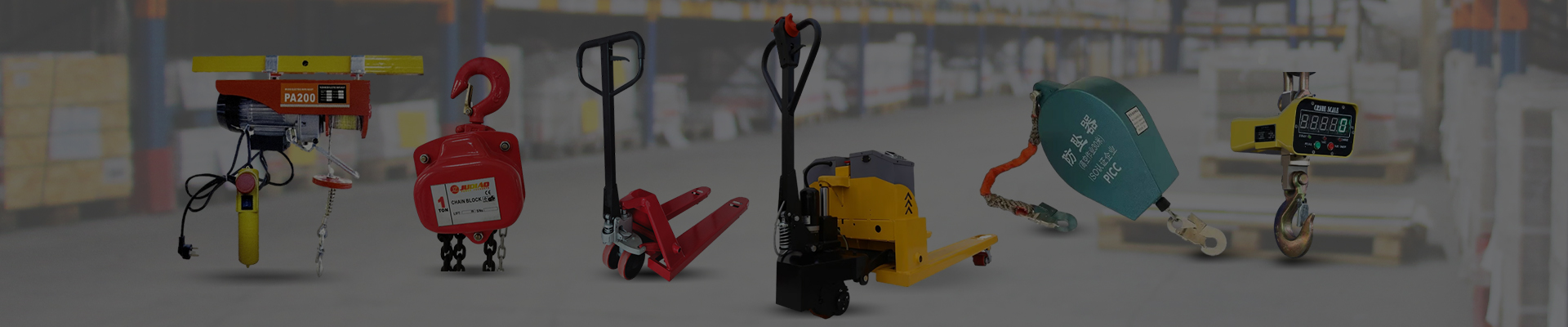


Chain block manufacturers — sounds niche, right? Yet, these companies quietly power vital industries worldwide. From construction sites in bustling cities to remote humanitarian aid operations, chain blocks (or chain hoists) are essential tools for lifting heavy loads safely and efficiently. Knowing about these manufacturers is more than just industry jargon; it opens a window into a global supply chain that supports infrastructure, disaster relief, and industrial productivity.
Why does this matter? Well, statistics from the International Organization for Standardization (ISO) suggest that proper lifting equipment can reduce workplace accidents by up to 30%. Plus, with global infrastructure investment topping $94 trillion over the next decade (World Bank data), reliable lifting gear isn’t optional — it’s fundamental.
In this article, we’ll unpack who chain block manufacturers are, their role, key factors shaping their products, and what the future holds. Oh, and I’ve sprinkled in some real-world use cases and practical FAQs just for you.
It’s easy to overlook chain block manufacturers, but they are part of a global ecosystem driving industrial safety and efficiency. According to the United Nations Industrial Development Organization (UNIDO), emerging economies are experiencing a construction boom that requires dependable lifting equipment. Chain block manufacturers, particularly those based in Asia and Europe, are racing to meet rising demands.
A challenge? Ensuring that lifting devices meet stringent international safety standards while remaining affordable for smaller enterprises and NGOs that rely heavily on them. In many developing regions, poor-quality equipment has potentially deadly consequences — so the role of trusted chain block manufacturers cannot be overstated.
In simple terms, chain block manufacturers are companies specialized in designing, producing, and distributing manual or powered chain hoists. These devices use a system of chains and gears to mechanically lift and lower loads. They’re the unsung heroes behind lifting heavy construction materials, industrial machinery, and even emergency supplies.
Interestingly, while chain blocks appear straightforward, their manufacturing demands precision machining, high-tensile materials, and rigorous quality assurance. This ensures they can withstand heavy-duty use globally — from industrial zones with harsh climates to delicate operations needing steady control.
The heart of any chain block is its resistance to wear and tear. High-grade alloy steel chains and heat-treated gears promote longevity. Many engineers I know swear by manufacturers using hardened load chains, as they reduce maintenance and failure risks.
Chain blocks vary from light (0.5 tons) to heavy-duty (upwards of 20 tons). Scalability is crucial because users range from small workshops to massive shipyards. Manufacturers must offer options or customization to suit all.
Reliable braking systems and overload protection are non-negotiable. Some modern chain blocks incorporate automatic load limiters — a feature that frankly feels like a safety net saving lives.
Affordability often dictates what smaller firms can buy, but cutting corners can be costly. Top manufacturers balance price with smart material choices and streamlined assembly processes.
Chain blocks designed for intuitive operation reduce operator fatigue and accident risk. Also, manufacturers focusing on easy disassembly promote faster repairs and longer equipment life.
For outdoor or maritime use, rust-resistant coatings and weatherproof designs matter. Many manufacturers now add zinc or chrome plating for anti-corrosion.
Chain blocks are everywhere:
Right now, manufacturers are working closely with regional partners to tweak designs for local needs — be it tropical humidity or desert dust.
Choosing a reputable chain block manufacturer isn’t just about upfront cost — it’s about lasting value. Reliable equipment means fewer downtime hours, lower accident risk, and less frequent replacement. When safety improves, worker confidence and morale rise, which actually boosts overall project timelines.
Plus, sustainability is becoming a big deal. Manufactures incorporating recyclable materials and eco-friendly coatings add a layer of social responsibility that customers appreciate.
Manufacturers are embracing digital technology with “smart” chain blocks featuring load sensors and IoT connectivity for real-time monitoring. Automation and robotic assembly are also improving precision and lowering defects.
The push for greener production includes using less energy-intensive materials and minimizing waste — a welcome trend given the construction industry’s significant carbon footprint.
Despite advancements, manufacturers face hurdles such as supply chain disruptions, raw material price volatility, and navigating complex international safety certifications. Some innovative companies are adopting modular designs to allow easier repairs and upgrades rather than full replacements — a smart move.
Furthermore, collaboration between manufacturers, NGOs, and industry ensures continuous feedback loops that fine-tune product development.
Chain block manufacturers play a crucial, if quiet, role across industries worldwide. By choosing well-made equipment, companies and NGOs can improve safety, cut costs, and enhance efficiency. While technology and sustainability are pushing the market forward, practical realities like supply chains and regulation still test the sector.
For those interested in exploring reliable, innovative chain block solutions, I encourage visiting trusted suppliers and learning firsthand about product lines, safety features, and customization options. A good place to start is our detailed listings of chain block manufacturers. You’ll find a range of products designed for every lifting challenge.
| Specification | Standard Model | Heavy Duty Model | Electric Model |
|---|---|---|---|
| Load Capacity | 1 Ton | 10 Tons | 5 Tons |
| Chain Material | Alloy Steel | Heat-Treated Alloy Steel | Alloy Steel with Coating |
| Operation | Manual | Manual | Electric, Remote Control |
| Safety Features | Load Brake, Overload Protection | Enhanced Braking, Load Limiter | Smart Load Sensors, Emergency Stop |
| Weight | 8 kg | 35 kg | 40 kg |
| Manufacturer | Region | Specialization | Price Range | Certifications |
|---|---|---|---|---|
| QYJuli Machinery | China | Manual & Electric Chain Blocks | $100–$800 | ISO 9001, CE |
| Liftech Hoists Ltd. | UK | Heavy Duty & Custom Solutions | $500–$1500 | ISO 9001, EN 13157 |
| Global Hoist Co. | USA | Electric Chain Blocks, IoT Integration | $800–$2500 | ISO 9001, ANSI |
At the end of the day, chain block manufacturers keep the wheels of modern industry moving—quite literally. By focusing on quality, safety, and innovation, they enable everything from skyscraper construction to critical disaster relief efforts. In a world that’s rebuilding, modernizing, and innovating constantly, these simple yet sophisticated tools matter more than you might think.
For those curious or ready to explore your options, remember to look for certified manufacturers who offer customization to your unique needs. And if you want to deep dive, check out the full directory of trusted chain block manufacturers — they have a solution for nearly every lifting challenge.
Sometimes it’s the smallest links that hold everything together...


 Afrikaans
 Albanian
 Amharic
 Arabic
 Armenian
 Azerbaijani
 Basque
 Belarusian
 Bengali
 Bosnian
 Bulgarian
 Catalan
 Cebuano
 China
China
 China (Taiwan)
 Corsican
 Croatian
 Czech
Czech
 Danish
 Dutch
Dutch
 Esperanto
 Estonian
 Finnish
 French
 Frisian
 Galician
 Georgian
 German
 Greek
Greek
 Gujarati
 Haitian Creole
 Hausa
Hausa
 Hawaiian
 Hebrew
 Hindi
Hindi
 Miao
Miao
 Hungarian
 Icelandic
 Igbo
Igbo
 Indonesian
 Irish
Irish
 Italian
 Japanese
 Javanese
 Kannada
 Kazakh
 Khmer
Khmer
 Rwandese
 Korean
 Kurdish
 Kyrgyz
 Lao
Lao
 Latin
Latin
 Latvian
 Lithuanian
 Luxembourgish
 Macedonian
 Malgashi
 Malay
Malay
 Malayalam
 Maltese
 Maori
Maori
 Marathi
 Mongolian
 Myanmar
 Nepali
 Norwegian
 Norwegian
 Occitan
 Pashto
 Persian
 Polish
 Portuguese
 Punjabi
 Romanian
 Russian
 Samoan
 Scottish Gaelic
 Serbian
 Sesotho
 Shona
Shona
 Sindhi
 Sinhala
 Slovak
 Slovenian
 Somali
 Spanish
 Sundanese
 Swahili
 Swedish
 Tagalog
 Tajik
Tajik
 Tamil
Tamil
 Tatar
Tatar
 Telugu
 Thai
Thai
 Turkish
 Turkmen
 Ukrainian
 Urdu
Urdu
 Uighur
 Uzbek
Uzbek
 Vietnamese
 Welsh
Welsh
 Bantu
Bantu
 Yiddish
 Yoruba
 Zulu
Zulu
 English