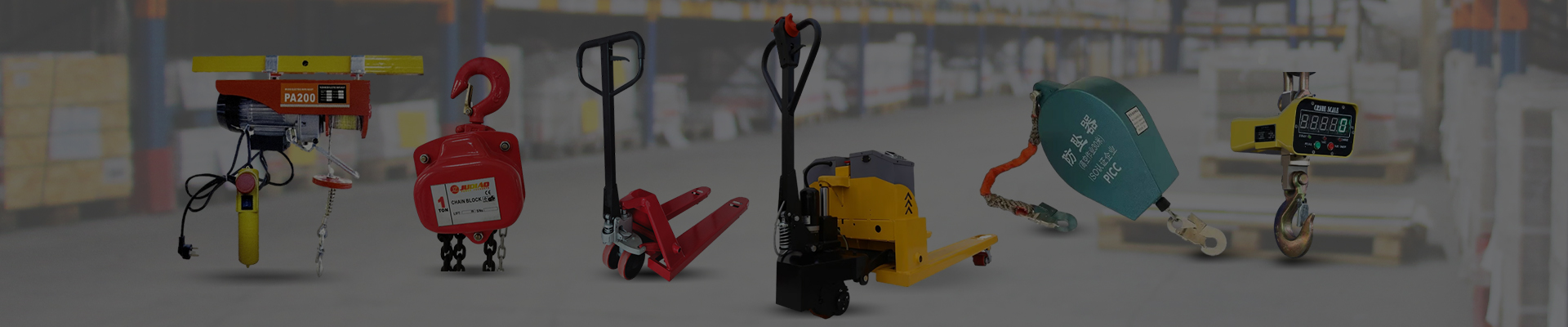


If you’ve ever watched heavy industry in action — construction sites, maritime docks, or disaster relief zones — you might have, without realizing it, glimpsed the magic of a rigging chain block. This handy tool might look simple at first glance, but its role in global logistics and industrial safety is anything but.
So, why does this unassuming device matter? Globally, rigging chain blocks serve as linchpins in safely lifting and moving heavy materials where machines like cranes might be too large or impractical. From the sprawling ports of Rotterdam to remote mining camps in Australia, a sturdy chain block is often the unsung hero keeping operations smooth and people safe.
By grasping the ins and outs of rigging chain blocks, professionals and operators alike can ensure safer workplaces, faster deployment of essential equipment, and even save costs on maintenance and downtime. It’s a prime example of how a simple piece of engineering can power entire industries without fuss.
Believe it or not, heavy lifting is a backbone of the global economy. According to the International Labour Organization (ILO), over 340 million workplace accidents happen worldwide yearly, many linked to manual or unsafe handling of heavy materials. Rigging chain blocks significantly cut down this risk by offering mechanical advantage and reliability.
In sectors like shipping, mining, manufacturing, and emergency response, safe lifting devices improve efficiency and protect workers. The global rise in infrastructure projects — fueled in part by UN sustainable development goals and increased urbanization — drives demand for reliable, cost-effective rigging solutions. However, challenges persist. Harsh environments, regulatory standards from ISO 7593 for hand chain blocks, and demands for portability complicate choice and usage.
So, a question often arises: how can industries ensure they're picking the right rigging equipment that balances durability, compliance, and cost? That’s where understanding the rigging chain block’s design and function really pays off.
Simply put, a rigging chain block is a hand-operated lifting device consisting of a metal chain loop, a load hook, a hand chain pulley system, and a gearing mechanism that multiplies force. Imagine using a pulley but compact enough to be portable and handheld. By pulling the hand chain, a user can lift, lower, or position heavy loads with relative ease.
This tool is centuries old in concept — counting on fundamental physics — but modern chain blocks incorporate hardened steel chains, sealed gearing, and safety brakes that make them reliable even under extreme loads. In humanitarian work, rigging chain blocks help in erecting emergency shelters or moving supplies where heavy machinery is impractical, highlighting their indispensable role beyond just factories or docks.
The backbone of any rigging chain block is the chain itself — usually crafted from alloy steel that is galvanized or heat-treated for corrosion resistance. This ensures longevity, especially in salty marine or humid tropical climates. Many operators I’ve spoken with swear by these treatments as game changers for field reliability.
Rigging chain blocks range widely in lifting capacity, typically from 0.5 tons to 10 tons, sometimes larger for industrial uses. Safety features like automatic braking keep loads secure even if the user suddenly stops pulling, which is vital for avoiding accidents.
This device’s compact size allows it to fit in tight spaces – a narrow mine shaft, a ship’s hold, or a cramped workshop. Its portability means it can be deployed quickly, which can be the difference between meeting a tight deadline versus costly delays.
Regular inspection and lubrication keep the gears and chains operating smoothly. The more straightforward the design, the easier it is for operators — even those with limited training — to manage upkeep. This lowers the total cost of ownership considerably.
Some rigging chain blocks come with hooks or swivels tailored for specific load types. For example, magnetic load hooks for metallic parts or extended handles for ergonomic benefit. These add-ons may seem small but dramatically improve usability in certain settings.
| Specification | Details |
|---|---|
| Capacity Range | 0.5 ton - 10 tons |
| Material | Alloy Steel, galvanized or heat-treated |
| Load Chain Diameter | 6 mm - 12 mm |
| Operating Temperature | -20°C to 80°C |
| Safety Features | Load brake, Overload protection |
| Weight (Approx.) | 3 - 10 kg (depending on capacity) |
Mini takeaway: Understanding the mechanical nuances of rigging chain blocks goes beyond specs — it’s about matching the tool to your environment and load demands.
Interestingly, their applications are vast and varied. In the maritime sector, chain blocks assist in cargo handling where cranes can’t reach, like below decks or in congested ports. Mining operations trust rigging blocks to lift drills and heavy components in otherwise inaccessible tunnels.
In post-disaster relief efforts — say, after an earthquake — relief workers use rigging chain blocks to erect temporary shelters, shift debris, and move supplies quickly, sometimes in places with no power or roads. NGOs appreciate their portability and user-friendliness.
Regions such as Southeast Asia, with booming infrastructural projects but often under-resourced sites, depend heavily on robust, easy-to-maintain rigging equipment. In fact, according to the World Bank, emerging economies increasingly prioritize safety equipment compliance, which drives adoption.
| Vendor | Product Range | Price Range (USD) | Warranty | Certifications | Global Shipping |
|---|---|---|---|---|---|
| QYJULI Rigging | 0.5–10 tons chain blocks | $80 – $350 | 2 years | ISO 7593, CE | Yes |
| GlobalLift Co. | 1–20 tons block range | $150 – $600 | 3 years | ISO 7593, OSHA Compliant | Limited |
| LiftMaster Ltd. | 0.5–5 tons compact blocks | $90 – $220 | 1 year | CE | Yes |
Mini takeaway: Picking the right rigging chain block supplier boils down to your exact needs on capacity, certifications, budget, and shipping reliability.
Beyond just moving heavy stuff, these tools signal safety, efficiency, and respect for workers’ well-being. Cost-effectiveness means companies avoid unnecessary expenses on machinery downtime or accidents. Sustainability gets a boost since repairing a chain block is often simpler and greener than replacing an entire mechanical hoist.
That said, the emotional piece counts too — trusted equipment breeds confidence on-site, making everyone feel a little less like they’re wrestling with random heavy objects and a lot more like they’re part of a smooth-running, safe operation.
Tech trends are starting to creep into rigging chain blocks too. For instance, manufacturers are experimenting with lighter, strong composite materials that could reduce operator fatigue without sacrificing strength. Digital load indicators and Bluetooth connectivity for maintenance alerts seem futuristic but are already prototyped.
Sustainability pushes greener coatings replacing galvanization with eco-friendly treatments. Automation isn’t far off, either — imagine chain blocks integrated with electric winches for hybrid power options in remote areas.
Of course, no device is perfect. Common challenges include chain corrosion in salty or chemically aggressive settings, wear on gears from heavy cycles, and improper use leading to catastrophic failure. Industry experts advise routine training, frequent inspection, and sourcing from certified providers as the best defense.
Innovative solutions include smart sensors that alert users about overloading or wear well before failure, enhancing safety exponentially.
To sum it all up — the humble rigging chain block offers enormous value, quietly sitting at the heart of thousands of daily industrial operations and emergency missions worldwide. It’s safety, efficiency, and longevity rolled into one manageable package. If you’re in the business of lifting or moving heavy loads, investing in the right chain block isn’t just smart, it’s essential.
Want to explore the right rigging chain block for your needs? Visit our website: https://www.qyjuli.com to dive deeper into specs, support, and unbeatable prices.
References:


 Afrikaans
 Albanian
 Amharic
 Arabic
 Armenian
 Azerbaijani
 Basque
 Belarusian
 Bengali
 Bosnian
 Bulgarian
 Catalan
 Cebuano
 China
China
 China (Taiwan)
 Corsican
 Croatian
 Czech
Czech
 Danish
 Dutch
Dutch
 Esperanto
 Estonian
 Finnish
 French
 Frisian
 Galician
 Georgian
 German
 Greek
Greek
 Gujarati
 Haitian Creole
 Hausa
Hausa
 Hawaiian
 Hebrew
 Hindi
Hindi
 Miao
Miao
 Hungarian
 Icelandic
 Igbo
Igbo
 Indonesian
 Irish
Irish
 Italian
 Japanese
 Javanese
 Kannada
 Kazakh
 Khmer
Khmer
 Rwandese
 Korean
 Kurdish
 Kyrgyz
 Lao
Lao
 Latin
Latin
 Latvian
 Lithuanian
 Luxembourgish
 Macedonian
 Malgashi
 Malay
Malay
 Malayalam
 Maltese
 Maori
Maori
 Marathi
 Mongolian
 Myanmar
 Nepali
 Norwegian
 Norwegian
 Occitan
 Pashto
 Persian
 Polish
 Portuguese
 Punjabi
 Romanian
 Russian
 Samoan
 Scottish Gaelic
 Serbian
 Sesotho
 Shona
Shona
 Sindhi
 Sinhala
 Slovak
 Slovenian
 Somali
 Spanish
 Sundanese
 Swahili
 Swedish
 Tagalog
 Tajik
Tajik
 Tamil
Tamil
 Tatar
Tatar
 Telugu
 Thai
Thai
 Turkish
 Turkmen
 Ukrainian
 Urdu
Urdu
 Uighur
 Uzbek
Uzbek
 Vietnamese
 Welsh
Welsh
 Bantu
Bantu
 Yiddish
 Yoruba
 Zulu
Zulu
 English