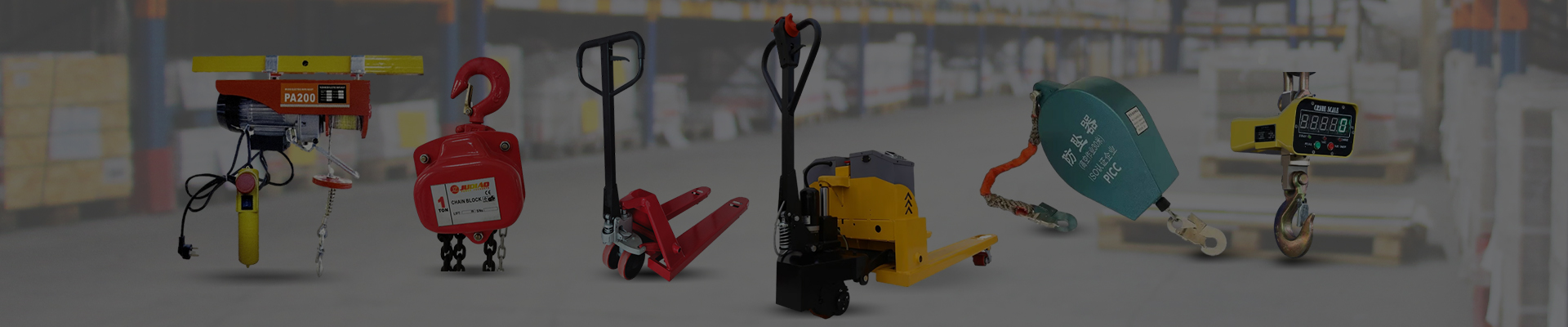


At first glance, a hoyoma chain block might sound like a niche industrial tool, but its implications ripple across global industries and humanitarian efforts alike. Simply put, this device is a manual or powered hoist that uses chain and gears to lift and move heavy loads safely. As infrastructure projects, supply chains, and emergency responses demand more reliable and versatile lifting solutions, understanding hoyoma chain blocks becomes increasingly essential.
Why should you care? Because lifting and moving heavy loads efficiently is a foundational challenge worldwide—from construction sites in bustling cities to disaster zones in far-flung regions. Getting it right means boosting safety, cutting costs, and ultimately enabling projects and aid to reach their full potential.
Mini takeaway: Grasping the essentials of hoyoma chain blocks is a small tweak that unlocks big gains in safety and efficiency across many sectors.
The global lifting equipment market was valued at over $3 billion in 2023 and is projected to grow steadily as urbanization and industrialization continue around the world (Statista). Within this, chain hoists like the hoyoma variety serve a crucial role due to their reliability and versatility.
Industries from manufacturing hubs in East Asia to mining operations in Africa, and even NGOs coordinating post-disaster rebuilding, rely heavily on such equipment. According to the International Labour Organization, unsafe lifting practices cost billions annually in lost work hours and injury claims, which hoyoma chain blocks help mitigate. So the challenge at hand is clear—equip workers with dependable tools that make heavy lifting safer and faster.
Mini takeaway: In a world hungry for safer and more efficient lifting, hoyoma chain blocks aren't just helpful—they're essential.
Imagine a compact, rugged mechanical device consisting of interlocking chains, gears, and hooks; that's basically the hoyoma chain block. It’s a type of manual or electric hoist designed for lifting or lowering heavy loads by pulling a hand chain. The name "Hoyoma" relates to a brand known for durable construction and precise manufacturing standards.
These tools bridge a gap between raw muscle power and large, complex lifting machines. Especially where electricity is unavailable or conditions are rough, hoyoma chain blocks provide a trustworthy way to handle weighty tasks with grace and control.
Oddly enough, their simplicity belies their impact; these units have been quietly supporting everything from shipyards to field hospitals for decades.
Mini takeaway: Hoyoma chain blocks pack powerful lifting capability into a simple, surprisingly elegant design.
Hoyoma chain blocks typically incorporate high-grade alloy steel chains and forged hooks rated for heavy loads. They withstand tough environments—rain, dust, heavy wear—making them a go-to even in harsh industrial or outdoor settings.
One standout aspect is the carefully engineered braking system, which locks immediately to prevent accidental drops. Many engineers mention that this safety feature inspires confidence, especially in crowded or hazardous work zones.
From light-duty 0.5-ton models up to 20 tons or more, these blocks scale to fit a variety of lifting challenges. This flexibility means you can tailor your setup precisely to the task, no wasted strength or compromise.
Compact and manually operable, hoyoma chain blocks can be deployed quickly and moved easily—no need for heavy machinery or complex setups. This is why many remote operations and field projects swear by them.
While initial cost varies, most users find that the long service life and low maintenance of hoyoma chain blocks lead to solid returns. They generally beat many powered hoists in reliability and total cost of ownership.
Mini takeaway: Durable, safe, scalable, portable, and cost-effective—these features explain why hoyoma chain blocks remain a staple.
From Southeast Asia to sub-Saharan Africa, these hoists are quietly essential. Construction firms use them to position beams with precision. In mining, they lift heavy engines or tools in cramped shafts. Even humanitarian groups deploy them during disaster relief to clear debris or set up temporary shelters swiftly.
Oddly enough, despite the rise of automation, the hands-on reliability of chain blocks holds a trusted place in high-tech environments too. It feels like their adaptability transcends simple lifting—it’s about control and confidence under variable conditions.
Mini takeaway: Whether in a busy factory or a disaster relief camp, hoyoma chain blocks offer a surprisingly wide-reaching spectrum of use cases.
The bottom-line benefits of hoyoma chain blocks come in several flavors. Practically, they lower costs by reducing the need for large machinery. Socially, they protect workers from injury through superior design. Environmentally, their manual versions leave a tiny carbon footprint.
But beyond that, there’s an emotional layer: workers often talk about the dignity that comes from handling their tools safely and with mastery. It’s a kind of trust that builds team morale and smooth operations.
Innovatively, manufacturers continue refining these tools—lightweight alloys, enhanced ergonomics—which means longevity and relevance even in an increasingly digitized world.
Mini takeaway: Hoyoma chain blocks deliver practical, social, and emotional value—making them more than just machines.
The next few years are shaping up to bring some intriguing changes. Electric and hybrid power options will grow, improving speed without sacrificing portability. Smart sensors may soon monitor load stresses and predict maintenance needs.
Sustainability efforts push manufacturers towards greener materials and coatings that reduce environmental impact while extending product life. For instance, using recycled steel chains or environmentally friendly lubricants.
Digital integration is also on the horizon—the idea of IoT-enabled hoyoma chain blocks that report status in real-time is not far off, enhancing safety and operational transparency.
Mini takeaway: The humble hoyoma chain block is quietly stepping into a high-tech future—smart, sustainable, and still tough as nails.
No tool is perfect. Common challenges with chain blocks include limited speed compared to cranes, manual fatigue, and wear in extreme environments. However, clever design tweaks—like ergonomic hand chains, modular parts for easier repair, and advanced lubrication—help offset these.
Some companies now offer comprehensive training programs to ensure operators maximize safety and efficiency. Others focus on rapid parts replacement and tough testing standards that comply with ISO norms (ISO 9001 for quality management is common).
So, the solutions usually combine better tech, smart training, and stringent quality assurance.
Mini takeaway: Through innovation and education, the industry is chipping away at hoyoma chain block challenges one smart step at a time.
| Feature | Specification |
|---|---|
| Load Capacity | 1 ton / 2 ton / 5 ton / 10 ton |
| Chain Material | Alloy Steel, Grade 80 |
| Lifting Height | 1.5 - 3 meters (customizable) |
| Braking System | Dual-pawl safety brake |
| Operation Mode | Manual hand chain / Electric motor (optional) |
| Weight (approx.) | 15 - 50 kg depending on capacity |
| Vendor | Product Range | Custom Options | Pricing Level | Warranty Period |
|---|---|---|---|---|
| Hoyoma Industrial Co. | 0.5 to 20 tons, Manual & Electric | Load capacity & chain length | Mid-range | 2 years |
| Global Lifting Supplies | 1 to 15 tons, mostly manual | Chain materials & brake types | Competitive | 1 year |
| ProHoist Solutions | 0.75 to 10 tons, Manual & Semi-Electric | Electric conversions & custom hooks | Premium | 3 years |
In a world rushing headlong into digital automation and megastructures, the hoyoma chain block reminds us that simple mechanical ingenuity carries its own timeless power. Whether you’re lifting an engine, a steel beam, or hope in a disaster zone, these tools deliver precision, safety, and trust where it counts.
If you want to explore top-tier hoyoma chain block options or learn about the latest innovations, feel free to visit our trusted supplier page at hoyoma chain block. Sometimes, the best solutions are the ones that don’t need a computer screen to function.
Thanks for reading—I’m betting you noticed how much promise and practicality can fit into just a handful of metal links and gears.


 Afrikaans
 Albanian
 Amharic
 Arabic
 Armenian
 Azerbaijani
 Basque
 Belarusian
 Bengali
 Bosnian
 Bulgarian
 Catalan
 Cebuano
 China
China
 China (Taiwan)
 Corsican
 Croatian
 Czech
Czech
 Danish
 Dutch
Dutch
 Esperanto
 Estonian
 Finnish
 French
 Frisian
 Galician
 Georgian
 German
 Greek
Greek
 Gujarati
 Haitian Creole
 Hausa
Hausa
 Hawaiian
 Hebrew
 Hindi
Hindi
 Miao
Miao
 Hungarian
 Icelandic
 Igbo
Igbo
 Indonesian
 Irish
Irish
 Italian
 Japanese
 Javanese
 Kannada
 Kazakh
 Khmer
Khmer
 Rwandese
 Korean
 Kurdish
 Kyrgyz
 Lao
Lao
 Latin
Latin
 Latvian
 Lithuanian
 Luxembourgish
 Macedonian
 Malgashi
 Malay
Malay
 Malayalam
 Maltese
 Maori
Maori
 Marathi
 Mongolian
 Myanmar
 Nepali
 Norwegian
 Norwegian
 Occitan
 Pashto
 Persian
 Polish
 Portuguese
 Punjabi
 Romanian
 Russian
 Samoan
 Scottish Gaelic
 Serbian
 Sesotho
 Shona
Shona
 Sindhi
 Sinhala
 Slovak
 Slovenian
 Somali
 Spanish
 Sundanese
 Swahili
 Swedish
 Tagalog
 Tajik
Tajik
 Tamil
Tamil
 Tatar
Tatar
 Telugu
 Thai
Thai
 Turkish
 Turkmen
 Ukrainian
 Urdu
Urdu
 Uighur
 Uzbek
Uzbek
 Vietnamese
 Welsh
Welsh
 Bantu
Bantu
 Yiddish
 Yoruba
 Zulu
Zulu
 English