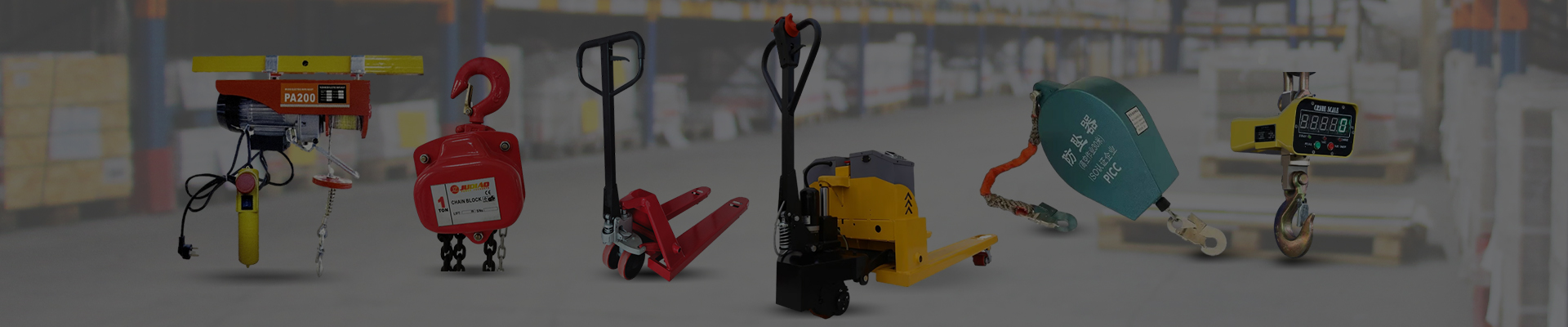


In the grand scheme of industrial progress and workplace safety, a safety lock chain block might not sound like the hero we deserve, but it’s certainly the one industries depend on. Put simply, this tool is a type of manual hoist fitted with a locking mechanism designed to secure loads safely and efficiently. Globally, as mechanized lifting becomes indispensable—from construction to manufacturing—the importance of reliable and secure hoisting can’t be overstated.
Understanding safety lock chain blocks isn’t just for experts who literally hang heavy loads mid-air. It’s for anyone who cares about reducing risks in workplaces, increasing productivity, and improving long-term equipment durability. The benefits? Safer work environments, fewer accidents, and smoother operational flow.
Mini takeaway: While it sounds niche, the safety lock chain block is a cornerstone piece in global industrial safety, quietly holding up millions of tons everyday.
Across continents, lifting heavy loads remains a daily challenge—whether in bustling urban construction projects, remote mining sites, or disaster zones moving emergency relief supplies. According to the International Labour Organization (ILO), occupational accidents cause over 2.3 million deaths yearly, many related to manual lifting mishaps (1). Hooking on reliable hoisting tools like safety lock chain blocks directly tackles these issues.
Additionally, standards like the ISO 14121-1 (Safety of machinery—Risk assessment) reinforce the demand for equipment that reduces human error. Lending real stats, the global chain block market is projected to grow steadily as industries modernize safety protocols.
What problem does the safety lock chain block address? Primarily, it minimizes risk factors: accidental drops, uncontrolled loads, equipment failure. When one dangling load means possible disaster, locking mechanisms literally hold lives in balance.
Mini takeaway: From an alarming global risk, safety lock chain blocks emerge as a simple yet effective answer, gaining momentum as standards tighten worldwide.
Put simply, a safety lock chain block is a manual or mechanized lifting device that uses a chain and a locking mechanism to move heavy objects vertically. The lock engages automatically to prevent load slippage—think of it as your safety net in a world where gravity and heavy machinery don’t always play nice.
This practicality extends beyond factories: humanitarian operations, for instance, rely on them to unload supplies safely in disaster-hit zones where infrastructure’s often compromised. So it’s not just an industrial lift, but a vital humanitarian tool.
Discover more about safety lock chain block and their diverse roles across industries.
Mini takeaway: The safety lock chain block isn’t just a mechanical gadget—it’s a versatile tool bridging industrial efficiency and humanitarian aid.
Most of these devices have to stand up to punishing conditions — from dusty construction sites to monsoon-soaked logistics hubs. Made from alloy steel or high-grade iron, their frames resist wear, corrosion, and fatigue.
Safety lock chain blocks come in varied capacities, typically from 0.5 to 20 tons or higher. Choosing the right one isn't just about brute force, but matching the job's specific weight and safety margin.
The heart of the device. These mechanisms ensure the chain won’t slip back, locking automatically during the lifting or holding phase. Many use a ratchet-and-pawl or braking system, designed to engage instantly for extra safety.
Chains engineered to ISO 1834 (Grade 80 or 100) and beyond provide the necessary tensile strength and flexibility. Oddly enough, the quality here can make or break safety.
While this sometimes gets overlooked, the gear ratio and handle design affect operator fatigue, efficiency, and ultimately safety. Some models boast smooth-chain feeds, reducing wear and user strain.
| Specification | Range | Details |
|---|---|---|
| Load Capacity | 0.5–20 tons | Varies by model, customized options available |
| Chain Material | Alloy steel Grade 80+ | Tested per ISO 1834 standards |
| Load Chain Diameter | 5 mm – 16 mm | Depends on lifting capacity |
| Safety Lock Type | Automatic ratchet and pawl | Prevents load slippage |
| Lift Height | 1.5–10 meters (standard) | Custom heights available |
Mini takeaway: Think of the safety lock chain block like a reliable Swiss Army knife — rugged, versatile, and engineered carefully to keep loads secure every step of the way.
The charm of safety lock chain blocks? They fit almost everywhere. Industries like construction, automotive manufacturing, and shipping rely on them heavily. In mining and oil drilling, these chains move heavy parts safely up and down shafts.
Oddly enough, they also pop up in humanitarian contexts. In post-disaster single-handedly unloading emergency supplies or building makeshift shelters, NGO workers appreciate the simplicity yet robustness of these devices. Regions with less-developed infrastructure find them invaluable because they don’t require power and function reliably in austere conditions.
For instance, after the 2015 Nepal earthquake, relief teams used safety lock chain blocks to lift debris and bring in supplies amid unstable structures.
But beyond the technical, there’s something emotional here: peace of mind for operators and managers knowing their teams are safer, workplaces more compliant, and projects less interrupted.
The industry isn’t static—manufacturers now experiment with:
Such trends reflect wider industrial shifts towards automation, sustainability, and digital transformation.
No product is perfect. For safety lock chain blocks, some common issues include:
To combat these, companies emphasize rigorous testing per ISO standards, improved user education — even AI-based operator guidance in some advanced plants.
| Vendor | Load Capacity Range | Material Quality | Safety Features | Price Range |
|---|---|---|---|---|
| QYJuli | 0.5–20 tons | ISO Grade 80 Alloy Steel | Auto-lock ratchet, overload protection | $$ |
| LiftMax | 1–15 tons | Grade 80 Steel, Heat-treated | Double pawl lock, chain guide | $$$ |
| SafeHoist | 0.75–10 tons | Carbon Steel, corrosion-resistant | Anti-slip lock, ergonomic grip | $ |
The load capacity should exceed the maximum weight you plan to lift, including a safety margin (typically 25%). If you’re lifting 8 tons max, get a block rated at least 10 tons. Overloading is a main cause of failure.
Absolutely. They’re built to endure outdoor environments, but make sure to choose corrosion-resistant chains and inspect regularly, especially after heavy rain or exposure to salt air.
Not really. They’re designed for ease of use with ergonomic handles and simple locking/unlocking mechanisms. But proper operator training is crucial for safety and efficiency.
According to ISO 9927-1, regular inspections should be monthly, with thorough annual checks. Any signs of chain wear, deformation, or locking issues mean immediate replacement or repair.
Look for vendors certified to ISO 9001 quality management and compliant with local safety standards. For reliable options, check vendors like QYJuli, who provide certification and support.
In real terms, the safety lock chain block isn’t just a simple lifting device—it’s a symbol of industrial maturity, safety culture, and human dignity. Its enduring design helps avoid accidents, boost productivity, and even aid disaster relief. With innovations advancing and tech integrations beginning to emerge, their significance will only increase.
If you’re involved in manufacturing, construction, or even humanitarian logistics, it’s worth investing the time to learn about these indispensable tools. They hold not just heavy loads—but also the trust and safety of countless workers worldwide.
Interested? Check out our selection of safety lock chain block models and see how your next project can be safer and smarter.


 Afrikaans
 Albanian
 Amharic
 Arabic
 Armenian
 Azerbaijani
 Basque
 Belarusian
 Bengali
 Bosnian
 Bulgarian
 Catalan
 Cebuano
 China
China
 China (Taiwan)
 Corsican
 Croatian
 Czech
Czech
 Danish
 Dutch
Dutch
 Esperanto
 Estonian
 Finnish
 French
 Frisian
 Galician
 Georgian
 German
 Greek
Greek
 Gujarati
 Haitian Creole
 Hausa
Hausa
 Hawaiian
 Hebrew
 Hindi
Hindi
 Miao
Miao
 Hungarian
 Icelandic
 Igbo
Igbo
 Indonesian
 Irish
Irish
 Italian
 Japanese
 Javanese
 Kannada
 Kazakh
 Khmer
Khmer
 Rwandese
 Korean
 Kurdish
 Kyrgyz
 Lao
Lao
 Latin
Latin
 Latvian
 Lithuanian
 Luxembourgish
 Macedonian
 Malgashi
 Malay
Malay
 Malayalam
 Maltese
 Maori
Maori
 Marathi
 Mongolian
 Myanmar
 Nepali
 Norwegian
 Norwegian
 Occitan
 Pashto
 Persian
 Polish
 Portuguese
 Punjabi
 Romanian
 Russian
 Samoan
 Scottish Gaelic
 Serbian
 Sesotho
 Shona
Shona
 Sindhi
 Sinhala
 Slovak
 Slovenian
 Somali
 Spanish
 Sundanese
 Swahili
 Swedish
 Tagalog
 Tajik
Tajik
 Tamil
Tamil
 Tatar
Tatar
 Telugu
 Thai
Thai
 Turkish
 Turkmen
 Ukrainian
 Urdu
Urdu
 Uighur
 Uzbek
Uzbek
 Vietnamese
 Welsh
Welsh
 Bantu
Bantu
 Yiddish
 Yoruba
 Zulu
Zulu
 English