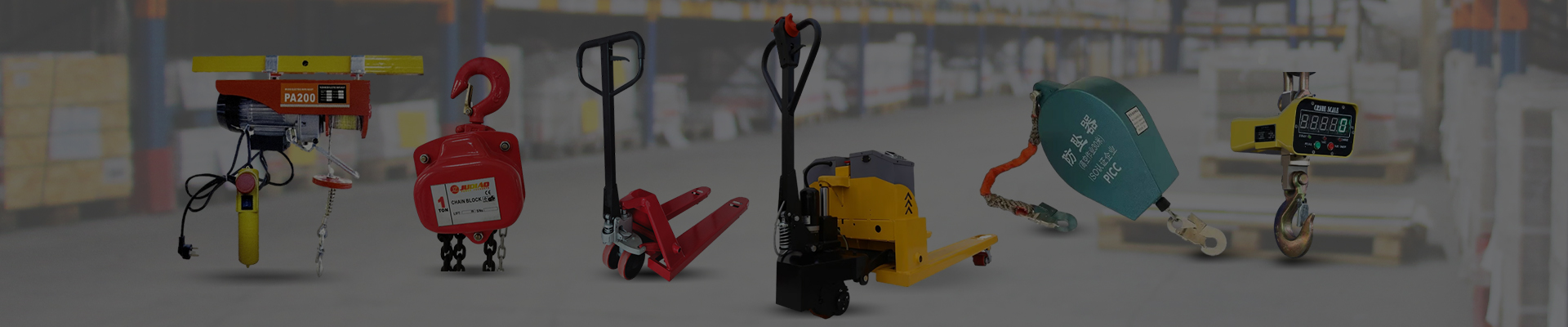


Chain blocks — you’ve probably seen these simple yet powerful tools hoisting heavy loads on construction sites, docks, or warehouses. But beyond their apparent straightforwardness, the safe use of chain blocks is a critical subject that impacts industries globally. Given their role in lifting and moving heavy cargo, ensuring chain blocks are used correctly isn’t just a matter of efficiency — it’s a lifeline for worker safety and operational reliability.
With thousands of chain block-related accidents reported annually worldwide, understanding the key principles behind their safe use can drastically reduce injuries, downtime, and costs. Plus, as global markets push heavy lifting into more remote and challenging environments, knowing how to deploy chain blocks safely becomes even more urgent — a true intersection of technology, training, and regulation.
According to the International Labour Organization (ILO), construction and industrial sectors see one of the highest rates of occupational accidents. Lifting equipment, including chain blocks, figures prominently in these incidents — often due to user error or faulty equipment. Frankly, the numbers speak volumes: the ISO standards for chain block manufacturing and usage exist precisely because improper use has serious consequences globally.
In an era where supply chains stretch across continents and offshore industries thrive, chain blocks must perform proportionally — safely and reliably — regardless of location. The World Bank’s recent industrial safety reports point out that mishandling lifting devices causes up to 15% of workplace injuries in emerging economies, which in turn delays infrastructure projects and emergency relief operations.
So, the challenge isn't just the design of the chain blocks themselves but the emphasis on safe operation practices, operator training, and regular maintenance. It’s a holistic ecosystem where even small negligence can lead to catastrophic failure.
In simplest terms, the safe use of chain blocks means following a set of best practices and standards to ensure these tools lift loads reliably, without risk of injury or equipment damage. This extends beyond just “using the block” to include inspection, proper load rating, operator knowledge, and environmental considerations.
More than just industrial tools, chain blocks align closely with humanitarian needs — like post-disaster rebuilding or remote electrification projects — where reliable, safe lifting equipment is a must-have to keep workers safe and projects on track.
Every chain block comes with a clearly defined load capacity. Operators must adhere strictly to these limits. Overshooting this capacity risks chain failure, dropping loads, and severe accidents. ISO 9001 and 12480-2 standards outline testing procedures ensuring each unit’s durability under stress.
Regularly checking the hooks, chains, gears, and brake systems is not just paperwork — it’s an essential safety step. Many incidents happen because of worn or damaged parts. Lubrication and cleaning are simple yet effective ways to prolong service life.
It’s not enough to hand a chain block to anyone. Proper training ensures handlers know weight limits, proper lifting angles, and secure anchoring points. Some industrial workplaces now require formal certification for chain block use, reflecting the seriousness of safe operation.
Chain blocks used outdoors must withstand rain, dust, or corrosive chemicals. Selecting weatherproof coatings or stainless steel chains adds a layer of safety, preventing premature wear and unexpected failures.
Storing chain blocks properly, away from corrosive environments and in a dust-controlled area, can prevent damage before use. Oddly enough, improper hanging or careless impact can warp components and reduce safety margins.
Mini Takeaway: Safe use of chain blocks is a mix of right equipment, smart maintenance, skilled operators, and awareness of surroundings. Ignore one, and your chain block might just betray you.
Across industries — from construction in the Middle East to heavy shipping in Southeast Asia — chain blocks form the backbone of countless lifting operations.
The ripple effect? Industries that adopt rigorous chain block safety protocols enjoy enhanced reliability and trust among workers and customers alike.
| Specification | Typical Values | Remark |
|---|---|---|
| Load Capacity | 0.5 to 10 metric tons | Depends on model |
| Chain Material | Alloy Steel, Zinc-coated | Rust resistance |
| Operating Temperature | -20°C to +80°C | Limits depending on coating |
| Load Brake System | High strength pawl and ratchet | Critical for holding loads |
| Chain Lift Length | 1.5m to 10m | Variable by use case |
| Vendor | Certification | Safety Features | Price Range |
|---|---|---|---|
| Kito Corp | ISO 9001, CE | Automatic brake, forged hooks | $$$ (Premium) |
| CMCO (Columbus McKinnon) | CE, OSHA Compliant | Load limiter, emergency stop features | $$$ |
| Yale | ISO 9001 | Heat-treated chains, dual brakes | $$ |
| Kangli | ISO 9001, CE | Rust-proof coating, ergonomics focus | $ |
Tangible? Absolutely. Using chain blocks safely reduces costs related to accidents, equipment replacement, and project delays. But there’s an emotional layer too — workers feel more secure knowing protocols and quality equipment protect them. Trust in equipment fosters workplace morale, which, oddly enough, often gets overlooked as a “soft” benefit but is very real.
Sustainability also sneaks in here: properly maintained chain blocks last much longer, reducing waste and demand for replacements — a small but significant nod toward greener industrial practices.
Looking ahead, digital monitoring is beginning to find its way into chain block design. Sensors to track load weights, wear, and temperature could alert operators before a part fails. That’s automation and Internet of Things (IoT) tech creeping into a traditionally mechanical world, promising huge leaps in safety.
Material science advances — like ultra-high-strength steel alloys and anti-corrosion nanocoatings — also promise longer life spans and more reliable performance, fitting today’s push for low-maintenance, high-durability industrial gear.
The biggest pain points? Human error tops the list. Even the best chain block fails if used incorrectly. That’s why many companies now emphasize ongoing training programs and clear operational manuals. Today’s solution might even include virtual reality simulations to show real-time usage scenarios without risking anyone’s neck.
Maintenance is another hurdle; busy operations sometimes skip routine checks, inviting risks. Implementing digital reminders and checklists can help here — technology aiding good habits.
A1: Ideally, chain blocks should be visually inspected before each use and thoroughly checked every six months by a qualified technician, depending on usage intensity. ISO standards recommend more frequent inspections if worn or in harsh environments.
A2: Yes, but they should have appropriate coatings like zinc or stainless steel chains, and the brake system adjusted for temperature variations. Regular upkeep is critical to avoid corrosion and freezing issues.
A3: Overloading can cause permanent deformation or sudden failure, leading to dropped loads, equipment damage, and potential injury. It's crucial always to respect the specified load limit to avoid danger.
A4: Absolutely. Look for ISO 9001, CE markings, or OSHA compliance to ensure products meet international safety standards.
A5: Combining classroom instruction, hands-on training, and refresher courses works best. Emerging VR training tools can also simulate real-life hazard scenarios safely.
Ultimately, the safe use of chain blocks isn’t just about avoiding accidents — it’s about creating trusted workflows, dependable equipment lifespans, and, frankly, workplaces where people go home unscathed. The balance of robust design, smart maintenance, and skilled operation holds the key.
Want to dive deeper and ensure your team’s lifting safety? Visit us anytime at https://www.qyjuli.com for expert tips, product guides, and tailored solutions.
Mini Takeaway: Safe chain block use is a small detail with huge effects — in life, business, and beyond.


 Afrikaans
 Albanian
 Amharic
 Arabic
 Armenian
 Azerbaijani
 Basque
 Belarusian
 Bengali
 Bosnian
 Bulgarian
 Catalan
 Cebuano
 China
China
 China (Taiwan)
 Corsican
 Croatian
 Czech
Czech
 Danish
 Dutch
Dutch
 Esperanto
 Estonian
 Finnish
 French
 Frisian
 Galician
 Georgian
 German
 Greek
Greek
 Gujarati
 Haitian Creole
 Hausa
Hausa
 Hawaiian
 Hebrew
 Hindi
Hindi
 Miao
Miao
 Hungarian
 Icelandic
 Igbo
Igbo
 Indonesian
 Irish
Irish
 Italian
 Japanese
 Javanese
 Kannada
 Kazakh
 Khmer
Khmer
 Rwandese
 Korean
 Kurdish
 Kyrgyz
 Lao
Lao
 Latin
Latin
 Latvian
 Lithuanian
 Luxembourgish
 Macedonian
 Malgashi
 Malay
Malay
 Malayalam
 Maltese
 Maori
Maori
 Marathi
 Mongolian
 Myanmar
 Nepali
 Norwegian
 Norwegian
 Occitan
 Pashto
 Persian
 Polish
 Portuguese
 Punjabi
 Romanian
 Russian
 Samoan
 Scottish Gaelic
 Serbian
 Sesotho
 Shona
Shona
 Sindhi
 Sinhala
 Slovak
 Slovenian
 Somali
 Spanish
 Sundanese
 Swahili
 Swedish
 Tagalog
 Tajik
Tajik
 Tamil
Tamil
 Tatar
Tatar
 Telugu
 Thai
Thai
 Turkish
 Turkmen
 Ukrainian
 Urdu
Urdu
 Uighur
 Uzbek
Uzbek
 Vietnamese
 Welsh
Welsh
 Bantu
Bantu
 Yiddish
 Yoruba
 Zulu
Zulu
 English