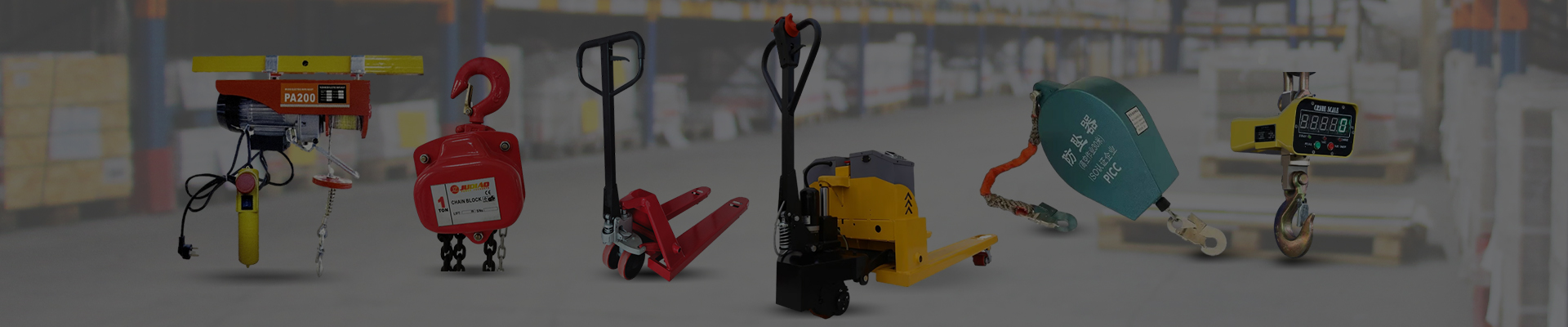


Electric hoists, particularly models like the pa200l electric hoist, quietly keep much of modern infrastructure humming. From skyscraper construction sites to remote mining operations, these machines lift more than just loads—they lift productivity, safety standards, and even economic growth potential worldwide. The reason it matters globally? Efficient material handling reduces delays, limits workplace injuries, and lowers operational costs on a massive scale.
Understanding the nuances of a pa200l electric hoist means tapping into how industries innovate through smarter lifting tech—simplifying complex tasks while saving precious time and resources.
According to the International Labour Organization, material handling injuries make up a significant chunk of workplace accidents worldwide. The adoption of electric hoists like the pa200l helps curb this trend, improving safety via automation and reducing manual labor. More so, The World Bank reports rising industrial investments in Asia and Africa, where lifting heavy machinery efficiently can directly boost infrastructure projects and manufacturing output.
But here’s the crux: many industries struggle with outdated or inefficient lifting methods. The pa200l electric hoist offers a timely, practical solution to that bottleneck. It’s not just about making things lighter; it’s about lifting operations into the digital, automated age.
Put simply, a pa200l electric hoist is a mechanized device designed to lift and move heavy objects vertically or horizontally using electric power. It’s controlled remotely or via a pendant and built to handle loads that could easily injure or exhaust workers otherwise. The core idea extends to facilitating industrial efficiency and safety—two pillars any serious business or humanitarian effort leans on.
Oddly enough, although the technology feels industrial, it’s increasingly critical in humanitarian work—think disaster relief, where quick deployment of heavy equipment makes a difference between stalled aid and timely help.
The pa200l electric hoist is engineered to withstand harsh environments, from freezing Arctic conditions to scorching deserts. Its robust gearbox and corrosion-resistant materials ensure it doesn’t quit midway through a tough job.
Rated generally around 2000 kg (hence the '200' in pa200l), it includes built-in overload protection, emergency stop functions, and safe braking systems, all minimising risk for operators and surrounding workers.
Though sturdy, it’s surprisingly compact and can often be mounted on existing overhead cranes or gantries. This portability lets you reposition it easily across sites—essential for dynamic project scopes.
Modern hoists like the pa200l use smart motors that reduce electricity consumption—something many engineers highlight as a low-hanging fruit in cutting operational costs.
Many units allow integration with digital control systems—remote operation, programmable lifts, even IoT compatibility. This evolution gives companies a leg-up in safety and performance analytics.
In Southeast Asia’s booming manufacturing hubs, these hoists often handle everything from automotive parts to electronics assembly lines. Over in the Middle East, the building of massive infrastructure projects calls on the pa200l for loading heavy panels swiftly and safely.
Humanitarian groups rely on such hoists too. In recent tropical cyclone recovery operations in the Pacific, they enabled rapid debris clearing and rebuilding efforts—critical when every hour counts.
Mining operations in Africa leverage the increased lifting capacity to ease transport of heavy mineral loads, working in tandem with other digital tools for optimized mining workflows.
Frankly, investing in technological upgrades like the pa200l pays off beyond just open ledgers—it maintains human dignity by reducing hazardous manual work.
| Specification | Detail |
|---|---|
| Max Load Capacity | 2000 kg (2 metric tons) |
| Lifting Speed | 8 m/min (standard) |
| Power Supply | 380V, 50Hz (3-phase AC) |
| Control Method | Pendant Control / Remote |
| Protection Class | IP54 (dust and splash resistance) |
| Braking System | Electromagnetic brake with emergency stop |
| Feature | pa200l Electric Hoist | Competitor A | Competitor B |
|---|---|---|---|
| Max Load | 2000 kg | 1800 kg | 2100 kg |
| Energy Efficient Motor | Yes | No | Yes |
| Smart Control Integration | Supported | Basic | Supported |
| Warranty Period | 3 years | 2 years | 3 years |
| Price Range | $$ | $ | $$$ |
The industry is shifting. Automation is no longer a buzzword but a baseline requirement. Future pa200l electric hoists could soon feature advanced sensors for real-time load diagnostics, enhancing safety and maintenance. There's talk of incorporating green energy options—maybe solar-powered control units or regenerative drives that can feed power back into the grid.
Meanwhile, Industry 4.0 keeps coaxing manufacturers toward digital twins and predictive analytics. Imagine a hoist that not only lifts but tells you when it’s due for a tune-up before breakdowns hit—saving costly downtime. It’s kinda exciting, honestly.
Of course, no technology is without snags. Issues like initial capital costs, operator training hurdles, and adapting systems to older infrastructure still pop up. Many companies end up with semi-automated setups that don’t fully realize the hoist’s potential. Seasonal weather and supply chain bottlenecks add pressure too.
A practical fix? Modular upgrade kits and extensive operator training programs are gaining traction. Plus, rental models for pa200l hoists help businesses dip toes before a full commitment. Flexibility, frankly, is king.
Time and again, I’ve seen sites transformed by adding a robust, reliable electric hoist like the pa200l. It’s the kind of upgrade that pays for itself, safely and sustainably lifting your entire operation to the next level. Whether in sprawling construction zones or a rapid humanitarian setup, it stands as a quiet enabler of progress—and frankly, you don’t realize how much until you’ve worked without it.
Want to learn more or source your own pa200l electric hoist? Visit our website: https://www.qyjuli.com — because smart lifting is smart business.
References:


 Afrikaans
 Albanian
 Amharic
 Arabic
 Armenian
 Azerbaijani
 Basque
 Belarusian
 Bengali
 Bosnian
 Bulgarian
 Catalan
 Cebuano
 China
China
 China (Taiwan)
 Corsican
 Croatian
 Czech
Czech
 Danish
 Dutch
Dutch
 Esperanto
 Estonian
 Finnish
 French
 Frisian
 Galician
 Georgian
 German
 Greek
Greek
 Gujarati
 Haitian Creole
 Hausa
Hausa
 Hawaiian
 Hebrew
 Hindi
Hindi
 Miao
Miao
 Hungarian
 Icelandic
 Igbo
Igbo
 Indonesian
 Irish
Irish
 Italian
 Japanese
 Javanese
 Kannada
 Kazakh
 Khmer
Khmer
 Rwandese
 Korean
 Kurdish
 Kyrgyz
 Lao
Lao
 Latin
Latin
 Latvian
 Lithuanian
 Luxembourgish
 Macedonian
 Malgashi
 Malay
Malay
 Malayalam
 Maltese
 Maori
Maori
 Marathi
 Mongolian
 Myanmar
 Nepali
 Norwegian
 Norwegian
 Occitan
 Pashto
 Persian
 Polish
 Portuguese
 Punjabi
 Romanian
 Russian
 Samoan
 Scottish Gaelic
 Serbian
 Sesotho
 Shona
Shona
 Sindhi
 Sinhala
 Slovak
 Slovenian
 Somali
 Spanish
 Sundanese
 Swahili
 Swedish
 Tagalog
 Tajik
Tajik
 Tamil
Tamil
 Tatar
Tatar
 Telugu
 Thai
Thai
 Turkish
 Turkmen
 Ukrainian
 Urdu
Urdu
 Uighur
 Uzbek
Uzbek
 Vietnamese
 Welsh
Welsh
 Bantu
Bantu
 Yiddish
 Yoruba
 Zulu
Zulu
 English