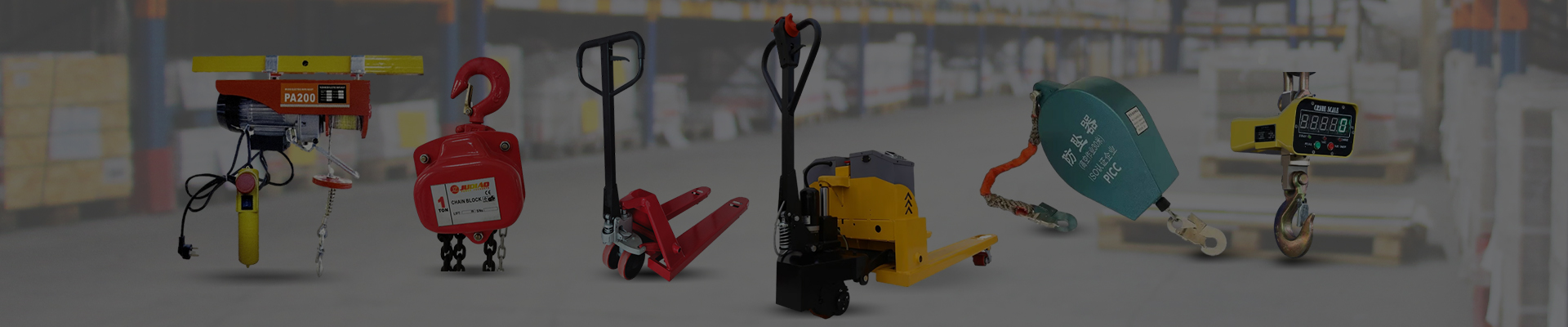


At first glance, a mini electric cable hoist might seem like one of those unsung heroes of industry — compact, unassuming, but indispensable for countless lifting tasks across sectors. These nifty machines pack a surprising punch, offering reliable lifting power in situations where space, weight, and ease of use matter most.
Globally, as industries push for efficiency and safety, understanding and deploying mini electric cable hoists wisely is a game-changer. Their design benefits humanitarian efforts, remote infrastructure projects, and manufacturing environments alike — helping move heavy loads without the bulk of traditional crane setups. Today, we’ll unpack what makes these mini hoists so valuable, and why their role continues to grow amid evolving industrial demands.
It might surprise you to know that more than 70% of global manufacturing facilities and construction projects now prefer compact lifting equipment that fits tight urban footprints and challenging terrains (source: International Crane Federation, 2023). With urbanization accelerating and space becoming more constrained, traditional bulky crane systems don't always cut it.
Additionally, according to the United Nations Industrial Development Organization (UNIDO), safe lifting and material handling reduce workplace accidents by up to 40%, which counts for billions in saved costs annually worldwide. The mini electric cable hoist addresses these needs by combining portability with heavy-duty lifting capabilities. In disaster relief operations, and even in warehousing logistics, its compact footprint makes it a top choice.
But it’s not without its challenges — the demand for higher lifting capacities and digital integration is rising. Still, these mini hoists provide a neat answer to shifting technological and environmental priorities.
Simply put, a mini electric cable hoist is an electrically powered lifting device that uses a steel cable reel to lift, lower, or pull loads. “Mini” refers to its size and weight: designed to be smaller and lighter than traditional hoists, usually portable enough for one or two workers to handle comfortably without sacrificing reliability.
These tools are often mounted onto existing structures or mobile platforms to provide lifting functions without bulky cranes or forklifts. They consist mainly of a motor, cable drum, and braking system housed in a compact frame, often with remote controls or smart features for precise operation.
In practical terms, mini electric cable hoists serve industries ranging from manufacturing, construction, and warehousing to humanitarian aid — where fast deployment and minimal infrastructure is a must. They’re enabling solutions where full-scale cranes simply can’t travel or would be prohibitively costly.
Most mini electric cable hoists are built with highly durable aluminum or reinforced steel frames to resist harsh environments. Especially in outdoor or industrial settings, ruggedness speaks volumes about long-term reliability.
Automatic braking systems, overload sensors, and emergency stop controls are standard. Many models even boast IP-grade ratings for water and dust resistance, ensuring steady operation in tough conditions.
Since these hoists are ‘mini,’ portability is another plus: many weigh under 40 kg. Quick-mount clamps or brackets help workers set them up rapidly without extensive rigging.
While small, these hoists can still lift from 250 kg up to 1,000 kg (roughly 550 to 2,200 lbs). Speeds range widely depending on the model and the operational mode – some even have adjustable lifting speeds for delicate handling.
Advancements include wireless remote control and programmable lifting sequences, allowing operators to manouever the hoist safely from a distance — an appreciated feature when working in hazardous environments.
With power consumption concerns rising, newer mini electric cable hoists are designed for minimal energy draw without losing torque — often compatible with battery-backed or solar-powered field operations.
A successful mini electric cable hoist balances size, power, and safety — all tailored to modern, dynamic workspaces demanding flexibility.
Across different sectors and geographies, these tools shine:
Each scenario benefits from the relatively low cost, quick deployment, and versatile power sources of mini electric cable hoists.
| Specification | Mini Hoist A | Mini Hoist B | Mini Hoist C |
|---|---|---|---|
| Max Load Capacity | 500 kg | 750 kg | 1000 kg |
| Lifting Speed | 5 m/min | 3.5 m/min | 6 m/min |
| Weight | 35 kg | 42 kg | 45 kg |
| Power Supply | 110V AC | 220V AC | 110/220V AC |
| Safety Rating | IP54 | IP65 | IP54 |
| Vendor | Price Range (USD) | Warranty | Unique Selling Point |
|---|---|---|---|
| JuliTech Co. | $1,200 - $2,000 | 3 years | Robust IP65-rated models, excellent remote features |
| LiftWay Solutions | $1,000 - $1,800 | 2 years | Lightweight portable frames, good for tight spaces |
| HoistPro Global | $1,400 - $2,200 | 3 years | Smart control integration & IoT readiness |
What really draws many companies and agencies toward mini electric cable hoists is the blend of tangible and emotional gains:
There is a subtle dignity to using well-engineered tools that respect both people and planet, something often overlooked but deeply felt on the ground.
Looking ahead, the industry is buzzing with innovation:
One gets the impression that these devices are moving beyond “just lifting” — becoming part of the smart industrial fabric.
Despite all the positives, there are hurdles:
Innovative manufacturers are answering with modular repair kits, robust training programs, and sealed designs to mitigate these concerns. Experts often recommend pairing mini hoists with sensor-based monitoring systems to maximize uptime.
A: Most mini electric cable hoists lift loads between 250 kg and 1,000 kg. The model choice depends on your specific lifting needs and safety margins.
A: Yes, they are designed to be lightweight and portable — many weigh under 45 kg and can be carried or mounted quickly by a small team.
A: Look for units with built-in overload protection, emergency stop functions, and remote control options to minimize risk and improve operational awareness.
A: Absolutely — models with IP54 or IP65 ratings are weather resistant and suitable for use in moderate rain and dusty environments, often encountered on construction sites.
A: Most hoists come with universal mounting options or can be adapted to scaffolds, beams, or even portable frames. Always consult with specialists to ensure compatibility and safety.
Mini electric cable hoists might be “mini,” but their effect is mighty in transforming lifting and moving in constrained or evolving workplaces worldwide. They bridge space, safety, and efficiency, all while enabling projects that would otherwise be stalled or too costly.
If your operations call for smart, flexible lifting solutions, consider exploring the wide range of mini electric cable hoists available today. For a deep dive into features, vendor options, and hands-on guidance, visit our site at https://www.qyjuli.com — where innovation meets practicality.
In the end, adopting these smart lifting tools is about more than just moving objects — it’s about moving entire industries forward, faster and safer.


 Afrikaans
 Albanian
 Amharic
 Arabic
 Armenian
 Azerbaijani
 Basque
 Belarusian
 Bengali
 Bosnian
 Bulgarian
 Catalan
 Cebuano
 China
China
 China (Taiwan)
 Corsican
 Croatian
 Czech
Czech
 Danish
 Dutch
Dutch
 Esperanto
 Estonian
 Finnish
 French
 Frisian
 Galician
 Georgian
 German
 Greek
Greek
 Gujarati
 Haitian Creole
 Hausa
Hausa
 Hawaiian
 Hebrew
 Hindi
Hindi
 Miao
Miao
 Hungarian
 Icelandic
 Igbo
Igbo
 Indonesian
 Irish
Irish
 Italian
 Japanese
 Javanese
 Kannada
 Kazakh
 Khmer
Khmer
 Rwandese
 Korean
 Kurdish
 Kyrgyz
 Lao
Lao
 Latin
Latin
 Latvian
 Lithuanian
 Luxembourgish
 Macedonian
 Malgashi
 Malay
Malay
 Malayalam
 Maltese
 Maori
Maori
 Marathi
 Mongolian
 Myanmar
 Nepali
 Norwegian
 Norwegian
 Occitan
 Pashto
 Persian
 Polish
 Portuguese
 Punjabi
 Romanian
 Russian
 Samoan
 Scottish Gaelic
 Serbian
 Sesotho
 Shona
Shona
 Sindhi
 Sinhala
 Slovak
 Slovenian
 Somali
 Spanish
 Sundanese
 Swahili
 Swedish
 Tagalog
 Tajik
Tajik
 Tamil
Tamil
 Tatar
Tatar
 Telugu
 Thai
Thai
 Turkish
 Turkmen
 Ukrainian
 Urdu
Urdu
 Uighur
 Uzbek
Uzbek
 Vietnamese
 Welsh
Welsh
 Bantu
Bantu
 Yiddish
 Yoruba
 Zulu
Zulu
 English