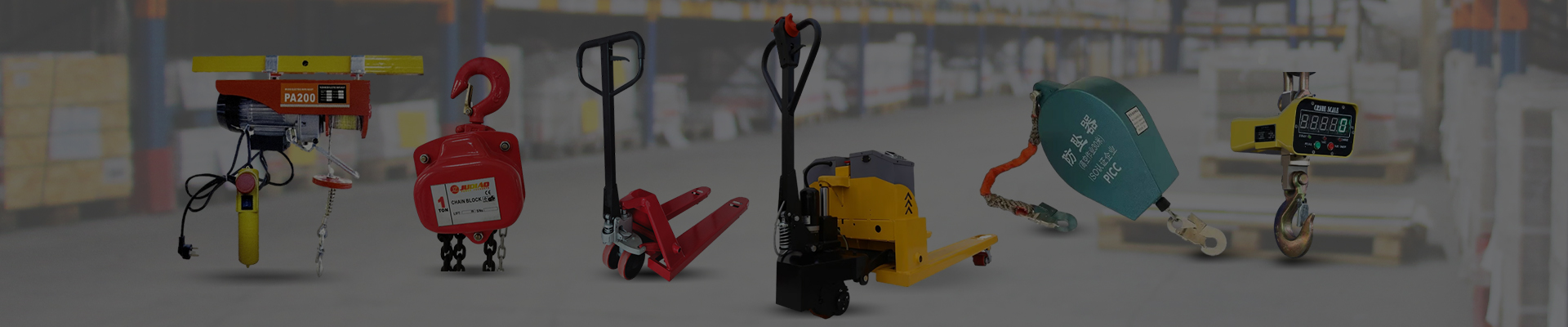


When we consider global industry and humanitarian logistics, often the huge machines and flashy robots grab all the attention. But sometimes, it’s simpler, manual tools like the hand chain block that quietly play a critical role in lifting, moving, and securing loads across a wide range of environments. These devices are compact, portable, and surprisingly powerful — a real workhorse in settings where electricity is unavailable or heavy machinery is impractical.
Understanding the hand chain block matters because it’s more than just an old-school pulley system. It’s a vital tool for industries as diverse as mining, construction, disaster relief, and warehousing — anywhere heavy loads need a safe, precise, and reliable lift. Grasping how and where these devices excel helps businesses and organizations optimize efficiency and safety while cutting costs.
World Bank reports highlight that over 600 million people worldwide rely on small-scale mining or manual labor sectors where machinery access is limited. Moreover, according to the International Labour Organization (ILO), around 2 billion workers are engaged in manual or semi-manual tasks globally, underlining the need for affordable and dependable lifting tools.
In remote regions — think parts of Southeast Asia, Sub-Saharan Africa, or South America — power supply inconsistencies persist. Here, a hand-operated chain block is often the only reliable lifting device. NGOs deploying relief materials after natural disasters, such as earthquakes or floods, find these tools invaluable for unloading heavy crates without waiting on generators or forklifts. Plus, their lightweight design makes them easy to transport.
The challenge? Many organizations face safety incidents due to improper lifting equipment or over-reliance on makeshift solutions. The hand chain block offers a trustworthy, durable alternative — if correctly specified and maintained.
Put simply, a hand chain block is a manual hoist consisting of a chain mechanism that multiplies force, allowing a user to lift and lower heavy loads by pulling on a hand chain. Unlike electric hoists, it requires no power source and offers precise control. Typically, it includes a lifting hook, a robust gear system inside a housing, and a hand chain loop that the operator pulls to raise the load.
While rooted in centuries-old principles of physics — namely, the block and tackle — modern hand chain blocks benefit from advanced materials and engineering that ensure safety compliance and durability. Industries ranging from manufacturing lines to humanitarian logistics all rely on them for their low cost, portability, and surprisingly high load ratings, sometimes exceeding several tons.
Most hand chain blocks feature heat-treated steel gears and high-grade alloy chains, often finished with corrosion-resistant coatings. This makes them rugged enough for harsh environments, including outdoor construction sites or humid warehouses.
These devices range from light-duty units for a few hundred kilograms to heavy-duty blocks capable of lifting up to 20 tons or more. Choosing the right capacity ensures both efficiency and safety.
The compact design means they can fit into small toolkits or backpacks. For disaster relief teams, this portability is crucial when equipment must be airlifted or carried over rough terrain.
Without complicated electronics, maintenance usually involves cleaning, lubrication, and inspection for wear — something onsite teams can handle without highly specialized technicians.
Compared to powered hoists, hand chain blocks are very affordable upfront and don’t incur ongoing electricity costs — a big plus for operations in developing areas.
Hand chain blocks marry simplicity and power — rugged, portable machines that amplify human effort without depending on electricity. For anyone lifting heavy loads in tricky conditions, they’re often the unsung heroes.
Across continents and industries, these humble hoists perform dexterous heavy-lifting tasks that might otherwise require expensive equipment. Here are a few scenarios worth noting:
I recently spoke with a small NGO in the Philippines which credited hand chain blocks for expediting rebuilding efforts after typhoons — a little reminder that these tools aren’t just industrial objects, but critical enablers of human resilience.
| Specification | Typical Range | Notes |
|---|---|---|
| Load Capacity | 500 kg - 20,000 kg | Select based on job requirements |
| Chain Material | Alloy Steel, Zinc or Chrome coated | Enhances corrosion resistance |
| Lift Height | 1.5 m to 25 m | Customizable per order |
| Weight (Device) | 5 kg - 50 kg | Depends on capacity |
| Operating Temperature | -20°C to +60°C | Suitable for outdoor use |
| Brand | Capacity Range | Material Quality | Price Level | Special Features |
|---|---|---|---|---|
| ABC Hoists | 500 kg - 10 t | High-grade steel, zinc-coated | $$ | Ergonomic hand chain, sealed gearbox |
| MaxLift | 750 kg - 20 t | Alloy steel, corrosion resistant | $$$ | Heavy-duty, certified for mining |
| LiftPro | 500 kg - 15 t | Forged steel, powder-coated | $ | Basic, lightweight, easy maintenance |
So, why opt for a hand chain block rather than a powered hoist or crane? There are some pretty clear reasons:
On top of that, there’s an often-overlooked emotional benefit: trust. Workers who know their tools won’t quit mid-job develop confidence and a sense of dignity in their labor—things that matter as much as efficiency.
Believe it or not, this “old-fashioned” tool has been enjoying some smart upgrades lately. Manufacturers are experimenting with:
Meanwhile, some future concepts in lifting use solar-powered assist modules, combining manual force with small electric motors — an interesting fusion between tradition and technology. There’s also talk of IoT-linked devices to monitor chain wear conditions remotely — nifty for maintenance planning.
Of course, not everything’s rosy. Common issues include:
Smart training programs, standardized maintenance regimes, and intelligent product design improvements go a long way to mitigate these problems.
It might seem that a hand chain block is just a simple mechanical tool, but it’s a linchpin in industries and regions where power is scarce, budgets are tight, and safety can’t be compromised. The long-term advantages — cost savings, portability, durability — make it a smart investment for any operation needing reliable lifting capacity.
If you’re looking to upgrade your equipment or prepare for fieldwork in tricky conditions, definitely consider adding a hand chain block to your kit. For the best options and expert advice, visit our website. It’s where practicality meets quality.


 Afrikaans
 Albanian
 Amharic
 Arabic
 Armenian
 Azerbaijani
 Basque
 Belarusian
 Bengali
 Bosnian
 Bulgarian
 Catalan
 Cebuano
 China
China
 China (Taiwan)
 Corsican
 Croatian
 Czech
Czech
 Danish
 Dutch
Dutch
 Esperanto
 Estonian
 Finnish
 French
 Frisian
 Galician
 Georgian
 German
 Greek
Greek
 Gujarati
 Haitian Creole
 Hausa
Hausa
 Hawaiian
 Hebrew
 Hindi
Hindi
 Miao
Miao
 Hungarian
 Icelandic
 Igbo
Igbo
 Indonesian
 Irish
Irish
 Italian
 Japanese
 Javanese
 Kannada
 Kazakh
 Khmer
Khmer
 Rwandese
 Korean
 Kurdish
 Kyrgyz
 Lao
Lao
 Latin
Latin
 Latvian
 Lithuanian
 Luxembourgish
 Macedonian
 Malgashi
 Malay
Malay
 Malayalam
 Maltese
 Maori
Maori
 Marathi
 Mongolian
 Myanmar
 Nepali
 Norwegian
 Norwegian
 Occitan
 Pashto
 Persian
 Polish
 Portuguese
 Punjabi
 Romanian
 Russian
 Samoan
 Scottish Gaelic
 Serbian
 Sesotho
 Shona
Shona
 Sindhi
 Sinhala
 Slovak
 Slovenian
 Somali
 Spanish
 Sundanese
 Swahili
 Swedish
 Tagalog
 Tajik
Tajik
 Tamil
Tamil
 Tatar
Tatar
 Telugu
 Thai
Thai
 Turkish
 Turkmen
 Ukrainian
 Urdu
Urdu
 Uighur
 Uzbek
Uzbek
 Vietnamese
 Welsh
Welsh
 Bantu
Bantu
 Yiddish
 Yoruba
 Zulu
Zulu
 English