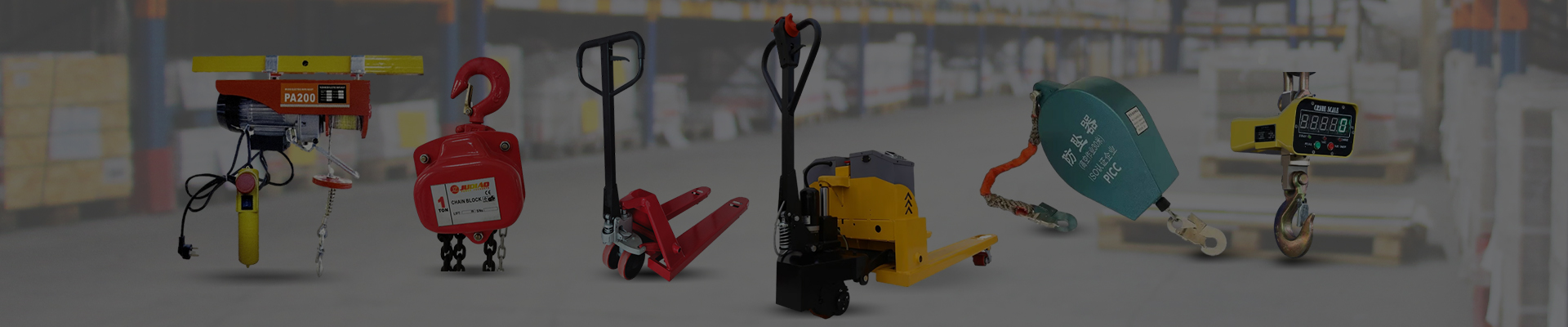


At first glance, the term heavy duty chain block 2 ton might sound like mere industrial jargon. But, in reality, it’s a compact powerhouse critical to lifting and moving heavy loads that keep industries, construction projects, and humanitarian missions running smoothly worldwide. Why does this matter? Well, without reliable lifting tools, progress in sectors like manufacturing, infrastructure, and disaster relief would literally come to a standstill.
Understanding the mechanics and applications of the heavy duty chain block 2 ton unveils how such a simple yet robust device holds tremendous value globally. Its benefits stretch from improving worker safety to enabling scalable operations in some of the toughest environments.
According to data from the International Labour Organization (ILO), workplace safety and operational efficiency remain top priorities worldwide, especially in heavy industries. The heavy duty chain block 2 ton plays a key role here—it’s used extensively in sectors like mining, shipping, oil and gas, and construction to lift loads reliably up to 2 tonnes (~4,400 lbs).
ISO standards (ISO 7597) govern the safe use of these lifting devices, emphasizing the necessity for durable, well-tested equipment. The World Bank’s reports on infrastructure emphasize how heavy equipment like chain blocks accelerate development in remote and underdeveloped regions. Without such tools, erecting bridges or transporting goods would face enormous delays, impacting local economies and livelihoods.
Still, challenges remain. Not every worksite has access to top-grade lifting gear, especially in disaster zones where swift deployment is crucial. The strong, portable nature of heavy duty chain blocks makes them invaluable in these scenarios—an unsung hero in moving rubble or installing temporary structures quickly.
Simply put, a heavy duty chain block 2 ton is a manual hoisting device designed to lift loads up to two tonnes using a hand-operated chain mechanism. It’s compact, sturdy, and often used where electricity or power tools aren’t feasible.
Think of it as a mechanical pulley system enclosed in a rugged frame, with two essential chains: one for lifting the load (load chain) and another for operating the hoist (hand chain). Its simplicity ensures durability and ease of maintenance — crucial factors in both industrial applications and tough field conditions.
From cranes in shipyards to emergency response teams clearing debris, this chain block combines straightforward mechanics with serious muscle.
Heavy duty chain blocks are built to last, often forged from high-strength steel alloys. This durability means they withstand harsh environments—extreme temperatures, moisture, and constant heavy lifting cycles. Users report that with proper care, these blocks remain reliable for decades.
With a rated capacity of 2 tons, these units usually feature mechanical load brakes and forged hooks equipped with safety latches. This reduces the risk of accidental drops—a crucial safety factor OSHA regulates tightly.
Though heavy, these chain blocks are surprisingly portable given the lifting power they provide. Compact design means they easily fit into toolkits or vehicles. This portability is why NGOs or disaster response teams favor them.
One appealing feature is ease of maintenance. The simple chain and cog system can often be serviced in the field, without expensive parts or specialized technicians.
Compared to hydraulic or electric hoists, heavy duty chain blocks come in at a fraction of the cost upfront and over their lifecycle. For many small to medium enterprises or emergency responders, this is a decisive factor.
| Specification | Details |
|---|---|
| Maximum Load Capacity | 2 Ton (2000 kg / 4400 lbs) |
| Chain Material | Alloy Steel, Heat Treated |
| Lifting Height | 3 to 6 meters (depending on model) |
| Braking System | Mechanical Load Brake |
| Weight of Unit | Around 14-18 kg |
| Safety Rating | ISO 7597 / OSHA Compliant |
From sprawling shipyards in Europe to remote mining camps in Africa, the heavy duty chain block 2 ton has an impressive resume. In construction, it helps install steel beams and heavy panels where cranes can’t reach easily or power sources are limited.
Disaster relief organizations, like Doctors Without Borders or the Red Cross, often rely on chain blocks to clear debris or erect temporary shelters quickly and safely. In regions prone to floods or earthquakes, having dependable lifting gear can shortcut recovery time, safeguarding communities’ dignity and safety.
Industrially, companies running heavy manufacturing plants or logistical hubs use these hoists regularly for maintenance, lowering engines, or repositioning cargo. The simple design means technicians can quickly train and deploy staff—even in regions with low-skilled labor availability.
Oddly enough, even entertainment industries (film crews, event rigs) use these tools to position heavy lighting or set pieces with precision.
| Vendor | Price Range (USD) | Warranty | Unique Features | Service Network |
|---|---|---|---|---|
| QYJuli Heavy Lifts | $150 - $220 | 2 Years | Reinforced hooks, custom lengths | Global, including Asia & Europe |
| HK Industrial Tools | $130 - $200 | 1 Year | Lightweight aluminum frame | East Asia focus |
| ProLift Gear | $170 - $240 | 3 Years | Enhanced clutch system for smoother lifts | North America & Europe |
In real terms, a heavy duty chain block 2 ton isn’t just a tool—it’s a promise of safety and endurance. Many engineers swear by its robustness, and workers appreciate the reliability in tight spots. There’s an emotional comfort in knowing that when lifetimes or livelihoods depend on heavy lifting, this tool won’t falter.
Cost-wise, these devices offer impressive longevity with minimal upkeep. Their mechanical simplicity often translates to fewer breakdowns and reduced downtime. From a sustainability lens, they’re more environmentally friendly than electric hoists, especially where electricity is sourced from fossil fuels.
Looking ahead, the integration of smart technologies is gradually seeping into this traditional device. Some manufacturers are experimenting with digital load indicators, alerting operators when approaching maximum capacity to enhance safety further.
Material science innovations have led to corrosion-resistant coatings and lighter but stronger alloys, making chain blocks easier to transport without sacrificing durability. Moreover, calls for greener manufacturing processes push vendors toward more eco-conscious steel sourcing and assembly.
Of course, these devices aren’t without their limits. For one, manual operation can be labor-intensive—making them unsuitable for extremely high-frequency lifting. Also, improper use or poor maintenance can lead to premature failure, compromising safety.
Experts recommend rigorous user training and scheduled inspections to extend service life. Some companies are pairing chain blocks with powered winches or cranes, marrying manual control with mechanized speed.
In a world increasingly dependent on efficient, safe, and versatile tools, the heavy duty chain block 2 ton shines as a practical solution trusted across industries and continents. Its blend of strength, simplicity, and reliability offers undeniable long-term value—from industrial applications to humanitarian efforts.
If you’re looking to explore high-quality options or learn more about specifications, consider visiting heavy duty chain block 2 ton. They provide detailed product lines and support that can help meet your lifting challenges.
After all, in lifting heavy loads and heavy expectations, it feels good to have a reliable chain block on your side.
Quick Takeaway: The heavy duty chain block 2 ton remains a timeless piece of industrial equipment—simple yet indispensable, combining safety and cost-effectiveness to power global infrastructure and aid operations alike.


 Afrikaans
 Albanian
 Amharic
 Arabic
 Armenian
 Azerbaijani
 Basque
 Belarusian
 Bengali
 Bosnian
 Bulgarian
 Catalan
 Cebuano
 China
China
 China (Taiwan)
 Corsican
 Croatian
 Czech
Czech
 Danish
 Dutch
Dutch
 Esperanto
 Estonian
 Finnish
 French
 Frisian
 Galician
 Georgian
 German
 Greek
Greek
 Gujarati
 Haitian Creole
 Hausa
Hausa
 Hawaiian
 Hebrew
 Hindi
Hindi
 Miao
Miao
 Hungarian
 Icelandic
 Igbo
Igbo
 Indonesian
 Irish
Irish
 Italian
 Japanese
 Javanese
 Kannada
 Kazakh
 Khmer
Khmer
 Rwandese
 Korean
 Kurdish
 Kyrgyz
 Lao
Lao
 Latin
Latin
 Latvian
 Lithuanian
 Luxembourgish
 Macedonian
 Malgashi
 Malay
Malay
 Malayalam
 Maltese
 Maori
Maori
 Marathi
 Mongolian
 Myanmar
 Nepali
 Norwegian
 Norwegian
 Occitan
 Pashto
 Persian
 Polish
 Portuguese
 Punjabi
 Romanian
 Russian
 Samoan
 Scottish Gaelic
 Serbian
 Sesotho
 Shona
Shona
 Sindhi
 Sinhala
 Slovak
 Slovenian
 Somali
 Spanish
 Sundanese
 Swahili
 Swedish
 Tagalog
 Tajik
Tajik
 Tamil
Tamil
 Tatar
Tatar
 Telugu
 Thai
Thai
 Turkish
 Turkmen
 Ukrainian
 Urdu
Urdu
 Uighur
 Uzbek
Uzbek
 Vietnamese
 Welsh
Welsh
 Bantu
Bantu
 Yiddish
 Yoruba
 Zulu
Zulu
 English