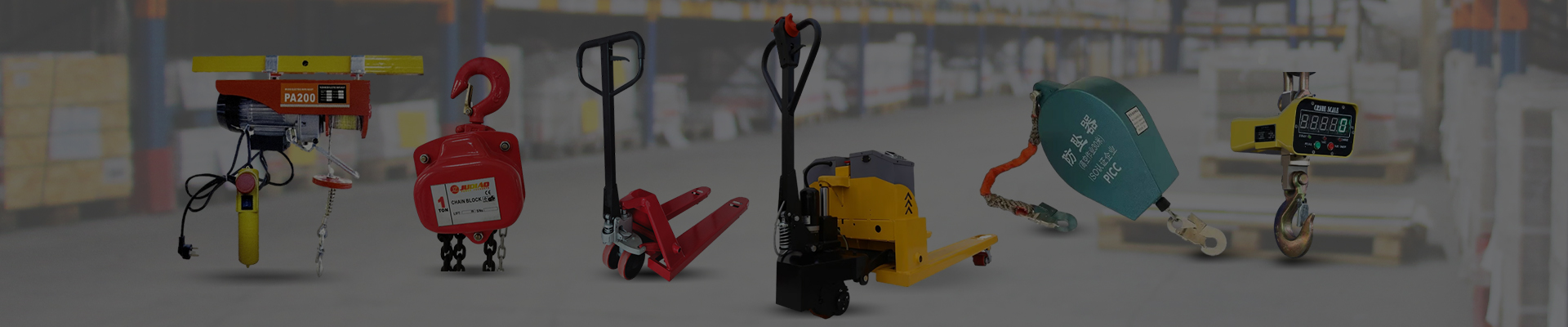


When we talk about industrial lifting tools, the chain block 6m often comes up as a reliable, practical piece of equipment used across industries worldwide. It’s not flashy, but its simplicity and strength make it indispensable. Whether you’re involved in construction, manufacturing, or humanitarian logistics, getting a solid grip on what a chain block 6m does and why it matters can mean saving time, money, or sometimes even lives.
In the global industrial landscape, heavy lifting is unavoidable. According to the International Labour Organization (ILO), occupational hazards related to manual handling cause thousands of injuries annually worldwide. Tools like the chain block 6m, standardized under ISO 9001 for quality management, help reduce risks by enabling safer lifting of heavy loads up to 6 meters high, or roughly 20 feet. In regions from bustling Asian shipyards to remote African construction sites, the chain block becomes a simple but vital part of daily operations.
Oddly enough, despite all the automation advances, manual chain blocks remain popular because they don’t require electricity, are affordable, and highly portable—making them indispensable in areas with limited infrastructure.
Mini Takeaway: The chain block 6m is a globally relevant manual lifting device that addresses safety and efficiency in diverse industrial and humanitarian applications.
Simply put, a chain block 6m is a manual hoist that uses a hand chain to lift or lower loads by pulling on a looped chain. The “6m” typically refers to the load chain length or the maximum height it can lift. These blocks often have load capacities ranging from 0.5 to several tons, but the six-meter lifting height is a common standard for general industrial use.
Think of it as a mechanical advantage tool that multiplies your pulling force, letting a worker lift heavy machinery parts, steel beams, or construction materials safely. It’s pretty fundamental to sectors reliant on lifting heavy equipment where electricity or pneumatics can’t be trusted or simply aren’t available.
Mini Takeaway: The chain block 6m is a hand-operated lifting tool designed to handle weight safely up to about six meters high, widely used across industries.
Made from heavy-duty forged steel and sometimes stainless steel, chain blocks endure rugged environments—dust, moisture, and high temperatures. Many comply with ISO 4309 standards for chain wear and use carbon alloys to resist corrosion and fatigue.
The rated capacities usually range from 0.5 to 10 tons, but the 6m lift length complements mid-range capacity needs. Safety features like overload protection and load brakes prevent accidents even if the operator pulls too hard.
Compared to electric hoists, chain blocks are nimble: no cables, no motors, no dependencies on external power sources. This makes them favored for quick setup or remote job sites where portability is key.
The upfront investment is low, maintenance is minimal, and repairs are straightforward. This affordability factor particularly benefits small to medium enterprises and NGOs working with tight budgets.
| Specification | Value |
|---|---|
| Maximum Lifting Height | 6 meters (approx. 19.7 ft) |
| Load Capacity | 0.5 to 10 tons (varies by model) |
| Material | Forged Steel Alloy |
| Safety Features | Overload Protection, Load Brake |
| Weight | Ranges 15–30 kg depending on capacity |
Choosing the right vendor can feel a bit daunting, but here’s a quick landscape on three reputable manufacturers:
| Vendor | Price Range | Warranty | Certification | Special Features |
|---|---|---|---|---|
| Harrington | $150 – $400 | 2 years | ASME B30.16 | Heavy duty chains, corrosion resistant |
| Kito | $200 – $450 | 3 years | ISO 9001 | Ergonomic chain guide, lightweight design |
| CM (Columbus McKinnon) | $180 – $420 | 2 years | ANSI/ASME certified | Compact build, smooth lifting action |
If you’re wondering where in the world chain block 6m sees action, the answer is—pretty much everywhere.
Take, for instance, a NGO operating in flood-affected regions of Southeast Asia. They rely on the chain block 6m because it’s easy to ship, doesn’t require fuel, and helps them set up emergency shelters within hours.
Mini Takeaway: Versatility in use is king — from urban factories to remote fields, the chain block 6m remains a trusted lifting solution.
Honestly, the charm of the chain block 6m lies in its straightforwardness. It:
It’s also emotionally reassuring—workers tend to feel safer operating simple mechanical devices they can "sense" rather than rely on electronic controls. This blend of logical and emotional appeal explains why it endures in an age of ever-more complex machinery.
In recent years, manufacturers have been integrating innovations such as lighter, higher-strength chain materials (think advanced alloys or coated steel), and improved ergonomic designs that reduce hand fatigue. Digital load monitoring is another emerging trend, providing real-time weight data and alerts for safer operations.
Environmental concerns are pushing development toward sustainable manufacturing and recyclable materials—a green push that oddly enough might make chain blocks even more attractive to eco-conscious industries.
Chain block 6m users often face issues such as chain wear, rusting in humid environments, or incorrect load calculation leading to accidents. The solution? Regular maintenance and operator training are essential. Many vendors now offer free inspection guides or digital tutorials, making it easier for companies to maintain their equipment up to standard.
Upscaling safety has also seen automated chain lubrication systems and improved sealing keeping chains working longer and smoother.
The chain block 6m remains a rugged, reliable star in the industrial lifting arena. It’s a blend of simplicity, safety, and long-lasting performance—qualities that modern industry and humanitarian operations alike continue to value. If you’re ready to explore reliable lifting solutions, visit our website: https://www.qyjuli.com.
In the end, it’s about the right tool for the right job—something the chain block 6m understands well.
Reflecting on the chain block 6m, it’s clear that some tools, by virtue of their practicality and heritage, stay relevant even in a tech-saturated world. For lifting, simplicity often wins.


 Afrikaans
 Albanian
 Amharic
 Arabic
 Armenian
 Azerbaijani
 Basque
 Belarusian
 Bengali
 Bosnian
 Bulgarian
 Catalan
 Cebuano
 China
China
 China (Taiwan)
 Corsican
 Croatian
 Czech
Czech
 Danish
 Dutch
Dutch
 Esperanto
 Estonian
 Finnish
 French
 Frisian
 Galician
 Georgian
 German
 Greek
Greek
 Gujarati
 Haitian Creole
 Hausa
Hausa
 Hawaiian
 Hebrew
 Hindi
Hindi
 Miao
Miao
 Hungarian
 Icelandic
 Igbo
Igbo
 Indonesian
 Irish
Irish
 Italian
 Japanese
 Javanese
 Kannada
 Kazakh
 Khmer
Khmer
 Rwandese
 Korean
 Kurdish
 Kyrgyz
 Lao
Lao
 Latin
Latin
 Latvian
 Lithuanian
 Luxembourgish
 Macedonian
 Malgashi
 Malay
Malay
 Malayalam
 Maltese
 Maori
Maori
 Marathi
 Mongolian
 Myanmar
 Nepali
 Norwegian
 Norwegian
 Occitan
 Pashto
 Persian
 Polish
 Portuguese
 Punjabi
 Romanian
 Russian
 Samoan
 Scottish Gaelic
 Serbian
 Sesotho
 Shona
Shona
 Sindhi
 Sinhala
 Slovak
 Slovenian
 Somali
 Spanish
 Sundanese
 Swahili
 Swedish
 Tagalog
 Tajik
Tajik
 Tamil
Tamil
 Tatar
Tatar
 Telugu
 Thai
Thai
 Turkish
 Turkmen
 Ukrainian
 Urdu
Urdu
 Uighur
 Uzbek
Uzbek
 Vietnamese
 Welsh
Welsh
 Bantu
Bantu
 Yiddish
 Yoruba
 Zulu
Zulu
 English