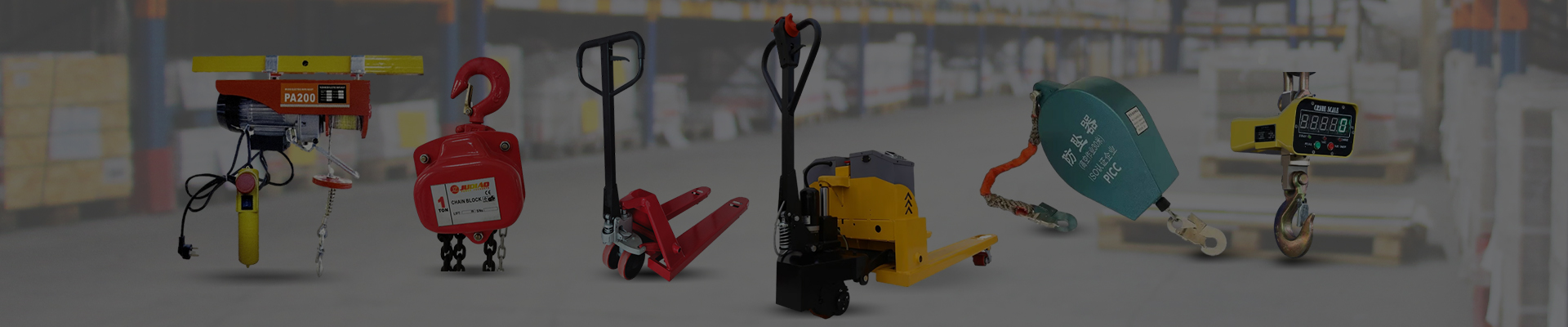


When it comes to lifting equipment, the chain block 0.5 ton price might sound like a pretty technical topic. But don’t be fooled—it's an integral piece of the puzzle across numerous industries globally, from construction sites to humanitarian logistics. Knowing what influences the price isn’t just about dollars and cents; it speaks to efficiency, safety, and even large-scale project feasibility.
Chain blocks – sometimes called chain hoists – are simple but powerful mechanical devices used to manually lift heavy loads. The “0.5 ton” label means the load capacity is 500 kilograms, so not massive but ideal for a lot of medium-duty tasks. Why the price? Because understanding pricing allows businesses to budget right, choose reliable gear, and avoid costly downtime from failures.
Globally, lifting devices form a multi-billion-dollar industry. According to ISO standards, safety and reliability standards have tightened in recent years, causing shifts in manufacturing practices and, naturally, prices. The rise of infrastructure projects in Asia, Africa, and Latin America has expanded demand for mid-range lifting solutions. Chain block 0.5 ton price is influenced by raw material costs, labor markets, certifications, and innovations in design.
Yet, a primary challenge remains: how to ensure affordable pricing without sacrificing durability or safety? This is acute in developing nations, where budgets are tight but lifting equipment must keep operators safe and projects on schedule.
In simple terms, the chain block 0.5 ton price reflects the cost of purchasing a chain hoist designed to lift loads up to 0.5 tons. This is a standard specification broadly used in workshops, factories, transportation hubs, and construction sites.
Nowadays, chain blocks are more than just manual hoists; they represent a solution that connects traditional mechanical engineering with modern safety standards and ergonomic concerns. In humanitarian sectors, for example, they are vital to unloading heavy supplies quickly in disaster zones, linking cost to both financial and social impact.
The choice of steel alloys, heat treatment, and anti-corrosion coatings strongly affect production cost. The more durable the materials, the higher the price, but also longer lifecycle and performance.
Compliance with standards like ISO, CE, or ASME adds costs but ensures safety that’s legally and ethically non-negotiable.
Made in Europe or Japan? Usually pricier, but often better precision and quality control. Made in China or India? Generally lower cost with wide availability, but quality varies.
Warranty, after-sales service, and reputation carry value—especially when the chain block faces tough industrial conditions.
Models with improved chain guides, smoother mechanisms, or better grips may be slightly more expensive but offer greater user comfort and reduce operator fatigue.
| Feature | Typical Specification |
|---|---|
| Load Capacity | 500 kg (0.5 ton) |
| Load Chain Material | Heat-treated alloy steel |
| Lift Height | 1.5–3 meters (depends on model) |
| Safety Standards | ISO 9001, CE Certified |
| Weight of Chain Block | ~8–10 kg |
| Typical Price Range | $40–$90 USD (varies by vendor) |
| Vendor | Price Range (USD) | Country of Manufacture | Warranty | Certifications |
|---|---|---|---|---|
| LiftMaster Pro | $75–$90 | Germany | 3 years | ISO, CE |
| ChainHoist Co. | $45–$65 | China | 1 year | CE |
| SafeLift | $60–$80 | India | 2 years | ISO 9001 |
In real terms, these 0.5 ton chain blocks pop up everywhere. I've seen them in small-scale factories in Southeast Asia, on remote mining sites in Africa, and even in emergency logistic hubs for NGOs operating in disaster zones. Oddly enough, their portability and manual operation make them ideal where electric power or automation isn't feasible.
These examples underscore why the chain block 0.5 ton price is more than a cost—it’s about enabling critical work globally.
There’s a lot to like – cost-efficiency, low maintenance, and reliability stand out. Also, chain blocks promote operator safety by often incorporating load-limiting devices and easy handling. The emotional comfort of knowing your lifting gear won’t fail? That’s priceless on busy sites.
From a sustainability angle, durable chain blocks that last years reduce waste and the environmental impact of frequent replacements. So, investing in a quality 0.5 ton chain block ultimately pays off.
Technology is quietly advancing here. We're seeing lighter alloys for chains, improved coatings resisting rust, and smarter ergonomic designs. On pricing, automation isn’t fully replacing chain blocks, but hybrid models with electric assist are emerging.
Increasingly, green manufacturing processes impact price formation too—some vendors market “eco-friendly” chain blocks that adhere to ISO 14001 standards. It feels like the future will blend tradition and technology.
Common issues include counterfeit products, inconsistent quality, and unclear warranty terms. To avoid pitfalls, many engineers recommend sourcing from reputable vendors who provide clear certifications and on-site support.
Sometimes you have to pay a bit more for peace of mind. Oddly enough, the extra cost for reliability often saves money in the long run through fewer breakdowns or accidents.
In closing, understanding the chain block 0.5 ton price reveals much more than just a number. It opens windows into global manufacturing, safety commitments, and practical applications that touch industries and communities worldwide. Whether you’re an engineer, buyer, or project manager, appreciating these nuances helps ensure you pick gear that works—economically and safely.
For those looking to explore and compare options, don’t hesitate to visit https://www.qyjuli.com for detailed pricing and vendor info.
Mini Takeaway: When it comes to lifting gear, cost is more than a bottom line—it’s a balance of safety, durability, and value that ultimately supports global industries and humanitarian efforts alike.


 Afrikaans
 Albanian
 Amharic
 Arabic
 Armenian
 Azerbaijani
 Basque
 Belarusian
 Bengali
 Bosnian
 Bulgarian
 Catalan
 Cebuano
 China
China
 China (Taiwan)
 Corsican
 Croatian
 Czech
Czech
 Danish
 Dutch
Dutch
 Esperanto
 Estonian
 Finnish
 French
 Frisian
 Galician
 Georgian
 German
 Greek
Greek
 Gujarati
 Haitian Creole
 Hausa
Hausa
 Hawaiian
 Hebrew
 Hindi
Hindi
 Miao
Miao
 Hungarian
 Icelandic
 Igbo
Igbo
 Indonesian
 Irish
Irish
 Italian
 Japanese
 Javanese
 Kannada
 Kazakh
 Khmer
Khmer
 Rwandese
 Korean
 Kurdish
 Kyrgyz
 Lao
Lao
 Latin
Latin
 Latvian
 Lithuanian
 Luxembourgish
 Macedonian
 Malgashi
 Malay
Malay
 Malayalam
 Maltese
 Maori
Maori
 Marathi
 Mongolian
 Myanmar
 Nepali
 Norwegian
 Norwegian
 Occitan
 Pashto
 Persian
 Polish
 Portuguese
 Punjabi
 Romanian
 Russian
 Samoan
 Scottish Gaelic
 Serbian
 Sesotho
 Shona
Shona
 Sindhi
 Sinhala
 Slovak
 Slovenian
 Somali
 Spanish
 Sundanese
 Swahili
 Swedish
 Tagalog
 Tajik
Tajik
 Tamil
Tamil
 Tatar
Tatar
 Telugu
 Thai
Thai
 Turkish
 Turkmen
 Ukrainian
 Urdu
Urdu
 Uighur
 Uzbek
Uzbek
 Vietnamese
 Welsh
Welsh
 Bantu
Bantu
 Yiddish
 Yoruba
 Zulu
Zulu
 English