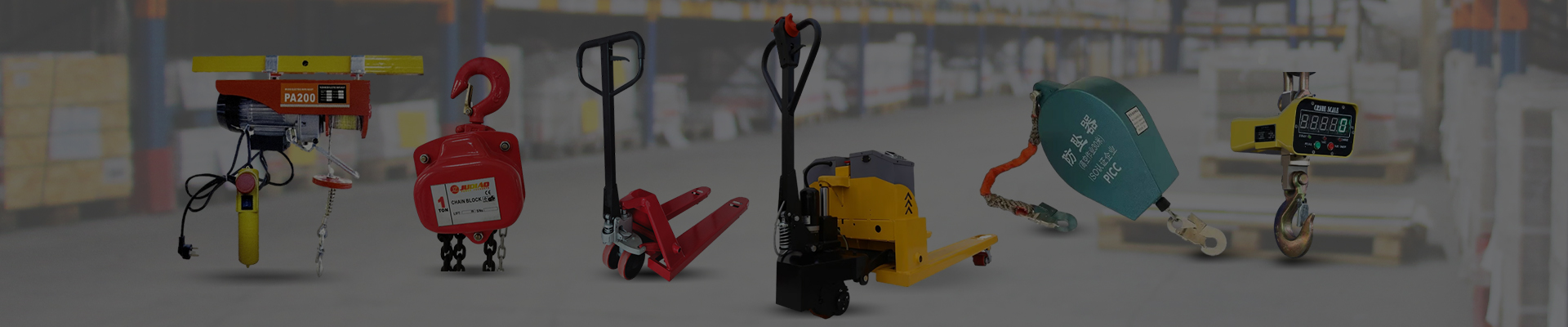


At first glance, the term sca chain block might sound like just some industrial gadget, but its significance spans globally across construction sites, warehouses, shipping docks, and even disaster relief efforts. These devices are pivotal for safely lifting and moving heavy loads, a basic yet crucial task underpinning countless industries. Understanding the sca chain block means appreciating how technology keeps infrastructures running, helps keep workers safe, and ultimately supports economic growth worldwide.
To put it simply: as global trade and infrastructure projects expand, the need for reliable lifting tools like sca chain blocks grows. They reduce manual labor strain and improve operational efficiency, making them a quiet workhorse behind many successful projects.
Globally, the lifting equipment market is booming. According to the International Organization for Standardization (ISO), workplace safety standards have tightened in recent years, especially around load handling. Meanwhile, the World Bank notes a surge in infrastructural investments in Asia and Africa, regions where sca chain blocks are frequently deployed on construction projects. Unfortunately, many developing regions still struggle with substandard equipment, causing accidents and project delays.
This creates a dual challenge: ensuring access to reliable chain blocks while meeting the increasing demand for fast, safe, and durable lifting solutions. The smart adaptation of sca chain block technology can lower risks, streamline workflow, and assist humanitarian logistics, such as during the post-disaster recovery phases where heavy materials need quick repositioning.
The sca chain block is more than a tool; it’s a silent but vital part of the infrastructure that fuels global development and safety standards, especially in emerging markets and mission-critical operations.
So, what exactly is an sca chain block? Put simply, it’s a manual or motorized hoisting device that uses a looped chain to lift, lower, or move heavy loads. The term “sca” often refers to a specialized series or manufacturer model known for durability and enhanced safety features.
Chain blocks consist of pulleys (also called sprockets), a load chain, a hand chain, and a hook assembly. When you pull the hand chain, it turns the sprocket, transferring force to lift the load attached to the hook. Oddly enough, despite being a straightforward mechanism, modern builds incorporate advanced engineering and materials for improved load capacity, corrosion resistance, and ease of use.
These devices are connected directly to various industries, from heavy machinery assembly to humanitarian aid, where quick, secure load handling can make a huge difference.
Think of the sca chain block as a muscle — unyielding, reliable, and cleverly engineered to make lifting tasks easier and safer in countless settings.
One of the standout features is their construction using high-grade alloy steel chains resistant to wear, deformation, and corrosion. This means longevity in harsh environments, from coastal industries to dusty mining sites.
Modern sca chain blocks incorporate braking systems that prevent accidental load drop. Engineers often praise these fail-safes, which meet or exceed international safety standards such as ISO 16841.
Available in a range from 0.5 tons up to 50 tons or more, sca chain blocks suit tasks from light assembly to heavy construction lifting. This scalability means companies don’t have to compromise between size and portability.
Simple manual operation with minimal training needed — many workers appreciate the tactile feedback when operating hand chains. Maintenance is straightforward, often requiring little more than timely lubrication and inspection.
While powered hoists might claim faster operation, the lower upfront and maintenance costs of manual sca chain blocks make them a practical choice especially in budget-conscious projects.
Durability, safety, flexibility, and affordability make the sca chain block a timeless piece of the industrial puzzle.
In post-disaster zones, quick deployment of heavy shelters and supplies relies on dependable lifting tools. NGOs frequently use sca chain blocks for their manual reliability, unaffected by power outages common in such areas.
Remote industrial zones — including mining camps in Australia or hydroelectric facilities in South America — prize the sca chain block for its ruggedness and simplicity. The ability to service and repair it on-site without sophisticated tools is invaluable.
In urban construction, crane attachments often complement chain blocks to provide precise load handling. Ports use specialized sca chain blocks to shift shipping containers or cargo in tight spaces where larger machinery is impractical.
From emergency relief to large-scale industrial projects, the adaptability of the sca chain block proves its indispensable value worldwide.
In real terms, this means that companies and organizations investing in quality sca chain blocks are protecting not just physical assets, but also the people who operate them.
| Specification | Typical Value | Notes |
|---|---|---|
| Load Capacity | 1–20 tons | Varies by model |
| Chain Material | Alloy Steel | Heat-treated, corrosion-resistant |
| Lifting Height | Up to 6 meters (standard) | Custom heights available |
| Weight | Varies: 10–60 kg | Depends on capacity |
| Operating Temperature | -20°C to 60°C | Suitable for harsh environments |
| Safety Brake | Mechanical, load-holding | Meets ISO standards |
| Manufacturer | Load Capacity Range | Unique Features | Price Range |
|---|---|---|---|
| SCA Heavy Duty | 0.5–20 tons | Ergonomic hand chain, corrosion-resistant coatings | $$$ |
| LiftMate Pro | 1–15 tons | Integrated safety brake, lightweight design | $$ |
| Global Hoist | 2–25 tons | Heavy duty, extended lifting height options | $$$$ |
The lifting industry isn’t frozen in time, and neither are sca chain blocks. We're seeing fascinating innovations, from lighter composite materials replacing steel chains to digital load monitoring systems that alert operators in real time. These "smart chain blocks" promise to reduce accidents and downtime by syncing with site-wide safety networks.
Additionally, greener production methods are edging in, using recycled metals and eco-friendly lubricants to reduce environmental impact. Automation might eventually bring motorized hybrid chain blocks that combine manual control and powered assistance, balancing speed with energy efficiency.
Despite their robustness, sca chain blocks face some hurdles — corrosion in salty environments, wear under intensive use, and operator fatigue on repetitive jobs. To tackle these, manufacturers are introducing sealed chain housings, higher-grade coatings, and ergonomic designs to ease strain.
Training remains critical. Many accidents stem from misuse rather than faulty equipment, so robust training programs combined with easy-to-read manuals solve a lot of problems before they start.
In the grand scheme, sca chain blocks embody a blend of timeless engineering and modern refinement. Their global footprint, spanning industrial hubs and emergency sites alike, highlights their unmatched versatility and reliability. Whether for a sprawling construction project or a humanitarian emergency, these hoists offer a safe, cost-effective, and durable solution to complex lifting tasks.
For anyone needing dependable lifting gear, you might want to explore our selection of sca chain blocks — they could be the silent strength behind your next big project.


 Afrikaans
 Albanian
 Amharic
 Arabic
 Armenian
 Azerbaijani
 Basque
 Belarusian
 Bengali
 Bosnian
 Bulgarian
 Catalan
 Cebuano
 China
China
 China (Taiwan)
 Corsican
 Croatian
 Czech
Czech
 Danish
 Dutch
Dutch
 Esperanto
 Estonian
 Finnish
 French
 Frisian
 Galician
 Georgian
 German
 Greek
Greek
 Gujarati
 Haitian Creole
 Hausa
Hausa
 Hawaiian
 Hebrew
 Hindi
Hindi
 Miao
Miao
 Hungarian
 Icelandic
 Igbo
Igbo
 Indonesian
 Irish
Irish
 Italian
 Japanese
 Javanese
 Kannada
 Kazakh
 Khmer
Khmer
 Rwandese
 Korean
 Kurdish
 Kyrgyz
 Lao
Lao
 Latin
Latin
 Latvian
 Lithuanian
 Luxembourgish
 Macedonian
 Malgashi
 Malay
Malay
 Malayalam
 Maltese
 Maori
Maori
 Marathi
 Mongolian
 Myanmar
 Nepali
 Norwegian
 Norwegian
 Occitan
 Pashto
 Persian
 Polish
 Portuguese
 Punjabi
 Romanian
 Russian
 Samoan
 Scottish Gaelic
 Serbian
 Sesotho
 Shona
Shona
 Sindhi
 Sinhala
 Slovak
 Slovenian
 Somali
 Spanish
 Sundanese
 Swahili
 Swedish
 Tagalog
 Tajik
Tajik
 Tamil
Tamil
 Tatar
Tatar
 Telugu
 Thai
Thai
 Turkish
 Turkmen
 Ukrainian
 Urdu
Urdu
 Uighur
 Uzbek
Uzbek
 Vietnamese
 Welsh
Welsh
 Bantu
Bantu
 Yiddish
 Yoruba
 Zulu
Zulu
 English