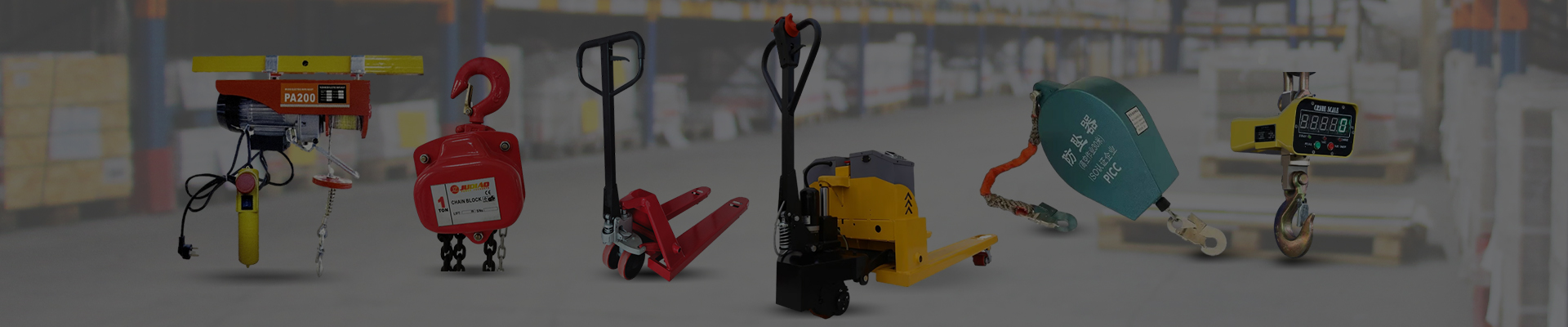


Okay, so you're looking at chain pulley block price. It’s a surprisingly complex topic when you start getting into the details… I’ve spent the last few weeks talking to engineers, procurement specialists, and even some folks on the shop floor, and it quickly becomes clear that ‘price’ is just the tip of the iceberg. We’re talking about lifting capacity, safety factors, materials, and frankly, how long the thing is going to last before needing a major overhaul. Qyjuli.com positions itself as a provider focused on durability and performance, and that's what we're going to break down.
A chain pulley block, at its core, is a simple machine. But don’t let that fool you. It’s about leverage, and doing it safely. You've got your load chain, the pulleys – one fixed, one moving – and the hook. The price fluctuates wildly based on capacity, chain length, materials (high-strength alloy steel is common), and the quality of the components. A really cheap unit might be fine for light-duty tasks, but you’re risking a lot with heavy loads. Many engineers I've spoken with stress the importance of certified testing and adherence to safety standards. Here's a quick spec rundown on a popular Qyjuli model:
| Parameter | Specification | Notes |
|---|---|---|
| Capacity | 5 Ton (5000 kg) | Standard configuration |
| Chain Length | 3 meters | Customizable |
| Material | Alloy Steel | Heat treated |
The applications are huge. Construction, manufacturing, warehousing... anywhere you need to lift heavy objects. It feels like every industry uses them in some capacity. What’s interesting is how much demand there is for customized solutions. A customer I spoke with, a fabrication shop, needed a block with a very specific lifting height and hook configuration to fit inside a tight space. Standard models wouldn’t cut it. Qyjuli’s ability to adapt was a major selling point. The benefits? Increased efficiency, reduced manual handling (and therefore fewer injuries), and improved safety. It's not glamorous, but it's essential.
Let’s talk cost. The initial chain pulley block price is only part of the equation. You’ve got to factor in maintenance. Regular inspection of the chain, hook, and gears is critical. Lubrication is key. A well-maintained block will last for years, even decades, but neglect it and you’re asking for trouble. I suppose the total cost of ownership is where Qyjuli tries to differentiate itself – higher upfront cost, potentially, but reduced downtime and longer lifespan. Here’s a quick vendor comparison:
| Vendor | Price Range (5 Ton) | Warranty | Customization Options |
|---|---|---|---|
| Qyjuli | $300 - $500 | 1 Year | Extensive |
| GenericBrandA | $200 - $350 | 6 Months | Limited |
| EstablishedBrandB | $400 - $600 | 2 Years | Moderate |
Oddly enough, sustainability is becoming a bigger factor. More companies are looking for durable products that will last, reducing the need for frequent replacements. It's a simple concept, but it resonates. There’s also a push for more efficient lifting solutions, and the market is slowly moving towards electrically powered options, but chain pulley blocks still have a significant role to play, especially in situations where power isn’t readily available. The industry is fairly mature, but innovation around materials and safety features continues.
Ultimately, choosing the right chain pulley block comes down to understanding your specific needs and priorities. Don’t just chase the lowest price; consider quality, durability, and the level of support you’ll receive. A little extra investment upfront can save you a lot of headaches down the road. Visit our website: https://www.qyjuli.com


 Afrikaans
 Albanian
 Amharic
 Arabic
 Armenian
 Azerbaijani
 Basque
 Belarusian
 Bengali
 Bosnian
 Bulgarian
 Catalan
 Cebuano
 China
China
 China (Taiwan)
 Corsican
 Croatian
 Czech
Czech
 Danish
 Dutch
Dutch
 Esperanto
 Estonian
 Finnish
 French
 Frisian
 Galician
 Georgian
 German
 Greek
Greek
 Gujarati
 Haitian Creole
 Hausa
Hausa
 Hawaiian
 Hebrew
 Hindi
Hindi
 Miao
Miao
 Hungarian
 Icelandic
 Igbo
Igbo
 Indonesian
 Irish
Irish
 Italian
 Japanese
 Javanese
 Kannada
 Kazakh
 Khmer
Khmer
 Rwandese
 Korean
 Kurdish
 Kyrgyz
 Lao
Lao
 Latin
Latin
 Latvian
 Lithuanian
 Luxembourgish
 Macedonian
 Malgashi
 Malay
Malay
 Malayalam
 Maltese
 Maori
Maori
 Marathi
 Mongolian
 Myanmar
 Nepali
 Norwegian
 Norwegian
 Occitan
 Pashto
 Persian
 Polish
 Portuguese
 Punjabi
 Romanian
 Russian
 Samoan
 Scottish Gaelic
 Serbian
 Sesotho
 Shona
Shona
 Sindhi
 Sinhala
 Slovak
 Slovenian
 Somali
 Spanish
 Sundanese
 Swahili
 Swedish
 Tagalog
 Tajik
Tajik
 Tamil
Tamil
 Tatar
Tatar
 Telugu
 Thai
Thai
 Turkish
 Turkmen
 Ukrainian
 Urdu
Urdu
 Uighur
 Uzbek
Uzbek
 Vietnamese
 Welsh
Welsh
 Bantu
Bantu
 Yiddish
 Yoruba
 Zulu
Zulu
 English