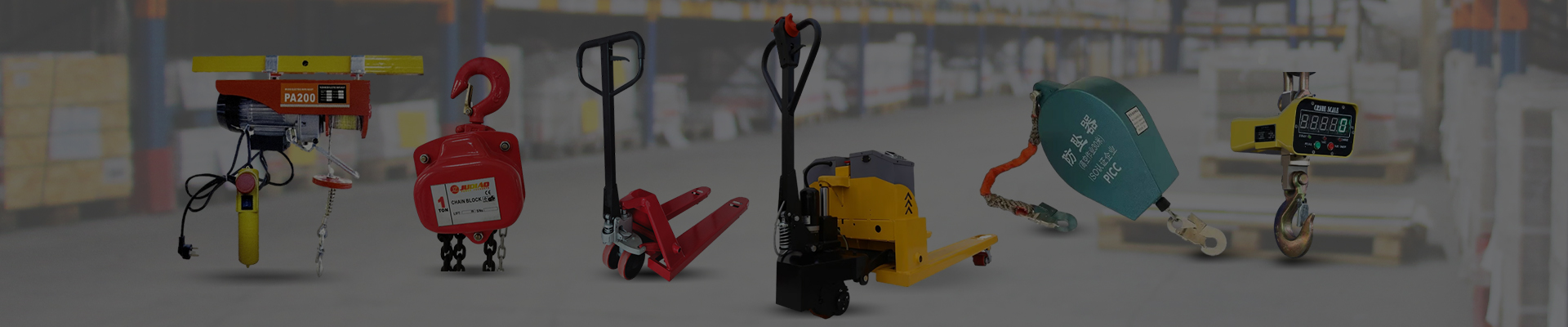


Globally, industries from construction to manufacturing increasingly rely on lifting equipment that blends power, precision, and safety. Among these, the rope electric hoist stands out—not just as another lifting device, but as a pivotal tool that streamlines complex workflows and enables safer material handling. If you're curious about why this piece of machinery commands respect worldwide, then you’re in the right place. Understanding the rope electric hoist illuminates how modern industries handle immense loads efficiently, reduce workplace accidents, and save costly downtime.
According to the International Labour Organization (ILO), workplace accidents cost billions annually, with lifting-related injuries being a significant contributor. As emerging economies rapidly industrialize, the demand for reliable lifting solutions skyrockets. The World Bank notes that infrastructure projects alone constitute more than $3 trillion yearly worldwide. Here, the rope electric hoist solves multiple issues—from enhancing operational efficiency in factories to ensuring controlled, safe handling of heavy components. Oddly enough, even humanitarian and disaster relief operations employ these devices to manage construction materials in challenging environments.
Mini takeaway: Rope electric hoists are more than mere lifting devices—they're enablers of safer, faster, and smarter industrial progress globally.
In simple terms, a rope electric hoist is a motor-driven device designed to lift or lower loads by winding wire ropes over drums or sheaves. Unlike chain hoists, the rope type is favored for heavier lifting and longer lifespans. It’s essentially the backbone of heavy lifting in modern industry—think of it as the muscle and brain combined, handling everything from steel beams to delicate machinery parts.
Its relevance extends beyond manufacturing. For instance, NGOs working in remote, disaster-affected areas use these hoists to assemble shelters and move supplies where manual lifting is impossible or unsafe. The versatility is pretty remarkable.
Mini takeaway: A rope electric hoist is a robust, motorized mechanism central to modern lifting, bridging industrial demands and humanitarian needs.
Rope electric hoists are built to withstand tough environments. The wire rope itself is usually made from high-tensile steel, often galvanized or stainless to resist corrosion. The motor and gearbox typically have IP-rated enclosures ensuring dust and water resistance, crucial for outdoor or harsh industrial sites.
These hoists come with varying load limits—anything from a few hundred kilograms to dozens of tons. This scalability lets industries customize systems to their specific needs. For example, steel factories prefer hoists capable of lifting massive slab weights, whereas electronics manufacturers might choose smaller, more precise models.
Modern rope electric hoists incorporate multiple safety mechanisms like overload limiters, emergency stop buttons, and smooth braking systems. These features reduce risks of accidents and equipment damage. Frankly, in my experience, firms that opt for top safety standards see fewer mishaps and lower insurance premiums.
Newer models incorporate regenerative braking and energy-saving motors, cutting down operational costs and carbon footprint. It’s odd how even such industrial equipment aligns with sustainability goals nowadays.
| Feature | Spec Range | Notes |
|---|---|---|
| Load Capacity | 0.5 - 50 tons | Varies by model and application |
| Lifting Height | Up to 100 meters | Dependent on rope length |
| Motor Power | 1.5 - 30 kW | Electric, with options for AC or DC |
| Control Method | Pendant, Remote, Wireless | Varies per application and safety requirements |
| Safety Features | Overload protection, Emergency Stop | Mandatory for compliance in many countries |
Mini takeaway: Durability, capacity, safety, and energy efficiency form the backbone of effective rope electric hoists, tailoring their utility across industries.
Industrially, rope electric hoists are indispensable in:
In remote oil and gas fields in Africa, the reliability of these hoists minimizes downtime. Oddly enough, industries you don’t usually think of—like pulp and paper—depend on them too.
Mini takeaway: Rope electric hoists fuel diverse industrial sectors and emerge as unsung heroes in humanitarian and remote-area applications.
What really stands out about rope electric hoists is their blend of operational efficiency and safety. Beyond lifting, they save human labor, which directly translates to fewer accidents and higher throughput.
From a sustainability perspective, their durability means longer product lifespans, reducing waste and replacement costs. Emotionally, workers often feel safer and more confident operating with reliable equipment—fostering trust within teams.
Mini takeaway: This technology offers cost savings, sustainability advantages, and boosts workplace safety, making it both a logical and emotional choice for companies.
Smart factories and Industry 4.0 principles influence hoist development. Expect integration with IoT sensors that track load conditions and maintenance needs in real time. Green technologies—such as motors powered by clean energy—are also gaining traction.
Automation advances mean rope electric hoists could soon lift loads with minimal human input, reducing risks and further improving efficiency. And oddly enough, additive manufacturing is being explored for parts replacement, cutting downtime.
Mini takeaway: The rope electric hoist is evolving rapidly, marrying traditional strength with smart and green tech for tomorrow’s industries.
Despite advantages, rope electric hoists face issues like cable wear, control system complexity, and power requirements. In harsh climates, corrosion can shorten service lives. The good news? Advances like rope monitoring systems alert users before failures occur, and modular designs simplify repairs.
Training is another key—companies investing in operator education see fewer accidents and longer equipment uptime. I noticed in field reports that such investments pay off pretty quickly.
Mini takeaway: Challenges exist, but emerging tech and training programs provide practical solutions to keep rope electric hoists running safely and efficiently.
| Brand | Load Capacity | Safety Features | Energy Efficiency | Price Range |
|---|---|---|---|---|
| Brand A | Up to 30 tons | Advanced overload & brake system | High | $$$ |
| Brand B | Up to 50 tons | Standard safety, emergency stop | Medium | $$$$ |
| Brand C | Up to 20 tons | Basic safety features | Low | $ |
To sum up, the rope electric hoist is a reliable, versatile, and indispensable part of today’s industrial and relief toolkits. Its combination of strength, safety, and evolving smart features promises ongoing value. Businesses keen to stay competitive and protect their workforce should seriously consider integrating or upgrading to high-quality rope electric hoists.
Whenever you’re ready to explore options, be sure to visit our website for detailed models and expert guidance on the best rope electric hoist solutions tailored to your needs.
Brief reflection: It’s fascinating how a seemingly simple device underpins so much of our heavy lifting, both literally and figuratively. The rope electric hoist quietly propels progress across industries and geographies, a mechanical hero we often take for granted.


 Afrikaans
 Albanian
 Amharic
 Arabic
 Armenian
 Azerbaijani
 Basque
 Belarusian
 Bengali
 Bosnian
 Bulgarian
 Catalan
 Cebuano
 China
China
 China (Taiwan)
 Corsican
 Croatian
 Czech
Czech
 Danish
 Dutch
Dutch
 Esperanto
 Estonian
 Finnish
 French
 Frisian
 Galician
 Georgian
 German
 Greek
Greek
 Gujarati
 Haitian Creole
 Hausa
Hausa
 Hawaiian
 Hebrew
 Hindi
Hindi
 Miao
Miao
 Hungarian
 Icelandic
 Igbo
Igbo
 Indonesian
 Irish
Irish
 Italian
 Japanese
 Javanese
 Kannada
 Kazakh
 Khmer
Khmer
 Rwandese
 Korean
 Kurdish
 Kyrgyz
 Lao
Lao
 Latin
Latin
 Latvian
 Lithuanian
 Luxembourgish
 Macedonian
 Malgashi
 Malay
Malay
 Malayalam
 Maltese
 Maori
Maori
 Marathi
 Mongolian
 Myanmar
 Nepali
 Norwegian
 Norwegian
 Occitan
 Pashto
 Persian
 Polish
 Portuguese
 Punjabi
 Romanian
 Russian
 Samoan
 Scottish Gaelic
 Serbian
 Sesotho
 Shona
Shona
 Sindhi
 Sinhala
 Slovak
 Slovenian
 Somali
 Spanish
 Sundanese
 Swahili
 Swedish
 Tagalog
 Tajik
Tajik
 Tamil
Tamil
 Tatar
Tatar
 Telugu
 Thai
Thai
 Turkish
 Turkmen
 Ukrainian
 Urdu
Urdu
 Uighur
 Uzbek
Uzbek
 Vietnamese
 Welsh
Welsh
 Bantu
Bantu
 Yiddish
 Yoruba
 Zulu
Zulu
 English