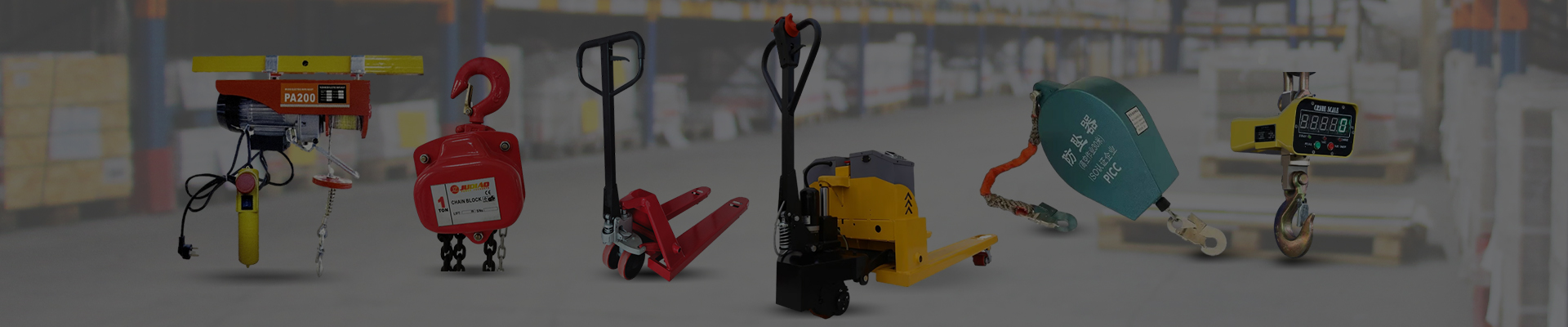


Chain block types—often overlooked by those outside of industrial fields—play a crucial role in how we move heavy loads safely and efficiently. From construction sites stretching skylines in Asia to relief efforts in disaster zones across the Americas, knowing the different types of chain blocks, their strengths, and limitations can truly make a difference. The benefits? Safer workplaces, cost savings, and smoother operations globally.
The world is more interconnected than ever, and industries rely on heavy lifting equipment to operate. According to the International Organization for Standardization (ISO), safety standards for manual hoists—and chain blocks in particular—are central to industrial safety worldwide. In fact, the global lifting equipment market is projected to grow significantly in the coming years, driven by booming infrastructure projects in developing countries and increased demand for efficient logistics.
Yet there's a challenge: selecting the right type of chain block for a specific task isn't always straightforward. Differences in load capacities, durability, and usability mean a plain "chain block" label covers many distinct designs. Without this knowledge, businesses might compromise safety or efficiency. So understanding chain block types becomes a practical necessity for engineers and project managers alike.
Simply put, chain blocks are manual lifting devices that use a chain wound on a drum or wheel to lift heavy loads. When we talk about chain block types, we're considering variations in design, capacity, and features that tailor them to different industrial purposes.
These tools remain vital in manufacturing plants, warehouses, or even remote areas with limited electricity, where using powered hoists is impractical. They have a surprisingly rich connection to modern needs—enabling not just construction but also disaster relief setups, temporary shelters, and logistics operations in rugged terrains.
Chain blocks often work in harsh environments—from humid coastal docks to dusty mines. Those constructed from high-grade steel with corrosion-resistant coatings last longer and require less maintenance. This reduces downtime and improves safety.
Depending on the task, chain blocks can lift anywhere from half a ton up to 20 tons or more. Choosing the right capacity is key: underestimating risks overloading the device, while overspending on too powerful a block is inefficient.
Some chain blocks are geared for speed, others offer precise control. For example:
Lightweight and compact chain blocks are invaluable in temporary worksites or where space is tight. Their ease of install or transfer might be the deciding factor for some projects.
Look for built-in overload protection, ergonomic handles, and secure chain retention systems. These features aren't just nice-to-have—they prevent accidents that could be disastrous on busy industrial floors.
In post-disaster relief operations—say, after an earthquake in Southeast Asia—quickly assembling shelters or moving debris requires dependable chain blocks that don’t depend on electricity. Similarly, in remote mining operations in Africa, where power infrastructure is limited, manual chain blocks ensure daily tasks proceed without delays.
Industries such as shipbuilding in Northern Europe rely on specialized heavy-duty chain blocks to maneuver large components safely. Even in high-tech manufacturing hubs, these devices are used for precise lifting during assembly of heavy machinery.
Chain block types come into their own in such diverse contexts. The right choice can accelerate work and avoid costly downtime.
On an emotional level, using chain blocks that you can trust fosters peace of mind for workers facing challenging environments. It's a mix of pride and assurance, knowing your equipment won't let you down when stakes are high.
Oddly enough, while the basic concept remains decades old, manufacturers are integrating stronger lightweight alloys and more ergonomic designs. There's a quiet push towards materials that offer better corrosion resistance and longer lifespan without weight penalties.
Some companies experiment with digital load indicators embedded into manual chain blocks, so operators can monitor tension in real time—enhancing safety.
As green energy becomes widespread, there may be hybrid systems combining manual and powered features, allowing versatility depending on site conditions. The future hints at smarter, safer chain blocks that still honor their simple mechanical roots.
Challenges include chain wear, limited lifting capacity, and sometimes awkward ergonomics. But manufacturers frequently address these by:
Experts also recommend regular inspection schedules and operator training—preventing mishaps often starts with human factors rather than equipment limits.
Q1: What distinguishes manual chain blocks from electric hoists?
Manual chain blocks require no power and are simpler to maintain, making them ideal for remote or intermittent use. Electric hoists, however, are faster and better for repetitive heavy-duty lifting but need power supply and higher maintenance.
Q2: How do I select the right chain block for my application?
Consider load weight, frequency of use, environment (indoor/outdoor), portability needs, and safety standards. If unsure, consulting manufacturer specs and safety certifications helps avoid costly mistakes.
Q3: Can chain blocks be used safely in explosive environments?
Specialized chain blocks with non-sparking materials exist for hazardous environments like oil refineries. Using standard chain blocks in such settings is unsafe and generally prohibited.
Q4: How often should I inspect or service my chain block?
Manufacturer guidelines typically recommend visual inspection before every use and thorough servicing at least annually or after heavy use. Chain elongation, hook deformation, and brake function are key inspection points.
| Brand | Max Load Capacity | Warranty | Unique Feature | Price Range |
|---|---|---|---|---|
| CM (Columbus McKinnon) | 20 Ton | 3 Years | High load precision | $$$ |
| Harrington | 15 Ton | 2 Years | Compact design | $$ |
| JET | 10 Ton | 1 Year | Affordable & durable | $ |
| Feature | Specification |
|---|---|
| Load Capacity | 1 Ton to 20 Tons |
| Chain Material | Alloy Steel, Zinc-plated |
| Operation Type | Manual, with ratchet and pawl |
| Safety Mechanism | Overload protection & automatic brake |
| Weight | Approx. 10-50 kg depending on capacity |
While chain blocks may seem simple, their variety and nuances reveal why understanding chain block types is invaluable in modern logistics and industrial operations. I found that equipping yourself with knowledge on capacity, durability, and safety can save money and, frankly, stress. So whether you work in construction, disaster relief, or production, it's worth taking a moment to explore what chain block options best fit your needs.
For those eager to dive deeper, keep an eye on evolving standards via the ISO 4778:2018 Manual Hoists—Chain Hoists and explore trusted vendors that balance proven reliability with innovation.
Visit our website for comprehensive guides and product selections tailored to your industry’s unique demands.
References:


 Afrikaans
 Albanian
 Amharic
 Arabic
 Armenian
 Azerbaijani
 Basque
 Belarusian
 Bengali
 Bosnian
 Bulgarian
 Catalan
 Cebuano
 China
China
 China (Taiwan)
 Corsican
 Croatian
 Czech
Czech
 Danish
 Dutch
Dutch
 Esperanto
 Estonian
 Finnish
 French
 Frisian
 Galician
 Georgian
 German
 Greek
Greek
 Gujarati
 Haitian Creole
 Hausa
Hausa
 Hawaiian
 Hebrew
 Hindi
Hindi
 Miao
Miao
 Hungarian
 Icelandic
 Igbo
Igbo
 Indonesian
 Irish
Irish
 Italian
 Japanese
 Javanese
 Kannada
 Kazakh
 Khmer
Khmer
 Rwandese
 Korean
 Kurdish
 Kyrgyz
 Lao
Lao
 Latin
Latin
 Latvian
 Lithuanian
 Luxembourgish
 Macedonian
 Malgashi
 Malay
Malay
 Malayalam
 Maltese
 Maori
Maori
 Marathi
 Mongolian
 Myanmar
 Nepali
 Norwegian
 Norwegian
 Occitan
 Pashto
 Persian
 Polish
 Portuguese
 Punjabi
 Romanian
 Russian
 Samoan
 Scottish Gaelic
 Serbian
 Sesotho
 Shona
Shona
 Sindhi
 Sinhala
 Slovak
 Slovenian
 Somali
 Spanish
 Sundanese
 Swahili
 Swedish
 Tagalog
 Tajik
Tajik
 Tamil
Tamil
 Tatar
Tatar
 Telugu
 Thai
Thai
 Turkish
 Turkmen
 Ukrainian
 Urdu
Urdu
 Uighur
 Uzbek
Uzbek
 Vietnamese
 Welsh
Welsh
 Bantu
Bantu
 Yiddish
 Yoruba
 Zulu
Zulu
 English