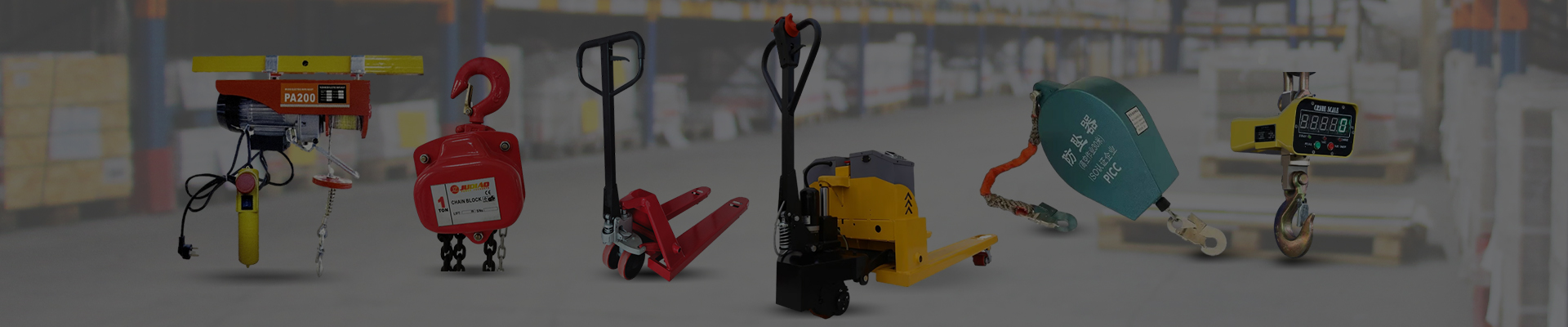


At first glance, a 2 ton chain block price might sound like just a number—some cost tied to an industrial gadget. But honestly, it’s much more than that. This figure tells a story of supply chains, construction sites, disaster zones, and even humanitarian missions spread across continents. Knowing what affects this price, and why it's significant, offers a clearer window into how heavy lifting solutions impact global industries and projects.
Chain blocks, or hand chain hoists, are crucial lifting tools designed to move heavy loads safely and efficiently. The "2 ton" designation means the block can handle up to roughly 2000 kilograms or 4400 pounds, a pretty heavy load by any measure. Tracking the price of such equipment globally can help companies and organizations budget smarter, choose the right models, and ultimately avoid costly downtime or safety hazards.
Industrial growth trends, according to the ISO and World Bank, show a steady uptick in heavy machinery use worldwide. Construction & manufacturing sectors across Asia, Africa, and South America are booming, putting chain blocks front and center.
Yet, a significant pain point is the variation in chain block costs due to fluctuating raw material prices (steel, mainly), labor, and shipping costs. For example, recent supply chain disruptions pushed electrical and lifting equipment — including these 2 ton blocks — prices notably upward. For industries that rely on rapid deployment and durability, getting a grip on the 2 ton chain block price fluctuation can spell the difference between project success or delay.
Simply put, it’s the market cost of acquiring a chain block rated for 2 tons of lifting capacity. These hand-operated hoists consist of load chains, gears, hooks, and brake mechanisms, all engineered for safety and durability.
This price acts as a benchmark for many businesses, whether they run small workshops, large factories, or operate in humanitarian sectors. For example, NGOs deploying supply chains after natural disasters need to know the cost of reliable lifting tools that can withstand rugged conditions.
The quality of steel and alloy materials used heavily impacts the price. High-grade steels with anti-corrosion coatings cost more but offer longer life—ideal for outdoor or harsh environments.
Certified chain blocks that meet international safety standards like ISO 7597 tend to come at a premium but ensure safer operations.
Newer models feature ergonomic handles, smoother chain feeds, and compact designs—features that users value and are willing to pay for to increase efficiency and reduce fatigue.
Bulk manufacturing helps reduce per-unit cost, but smaller boutique makers offering customization or specialized finishes likely come with a higher tag.
Since chain blocks are heavy, transportation logistics influence final pricing, especially for remote clients or those in developing regions.
Brands with guaranteed after-sales and spare parts availability often charge more upfront, but save long-term maintenance costs.
Mini takeaway: Understanding these factors explains why prices differ widely and helps buyers make educated purchasing decisions.
| Specification | Details |
|---|---|
| Lifting Capacity | 2 Tons (2000 kg) |
| Lifting Height | 3 meters (standard) |
| Material | Forged Alloy Steel & Galvanized Chain |
| Brake System | Double Pawl, Load-Sustaining |
| Operating Temperature | -20°C to 40°C |
| Compliance | ISO 7597, CE Certified |
You find 2 ton chain blocks in surprisingly diverse places—from massive construction sites in the UAE to isolated mining camps in South America. Humanitarian groups often pack these compact, reliable hoists for post-earthquake or flood relief missions, helping build makeshift structures, move supplies, and clear debris.
In Asia’s burgeoning manufacturing hubs, they're essential for assembly lines and maintenance tasks. Meanwhile, African industries—where mechanized cranes may be less prevalent—rely on chain blocks as cost-efficient lifting solutions.
Oddly enough, even creative fields like theater production and event setups use chain blocks to hoist heavy lights or stage parts, highlighting their versatility beyond "industrial only" scenarios.
| Vendor | Average Unit Price (USD) | Warranty | Compliance | Unique Selling Point |
|---|---|---|---|---|
| Atlas Hoists Inc. | $175 - $210 | 5 years | ISO 7597, CE | Ergonomic handle & lightweight design |
| StrongLift Manufacturing | $150 - $190 | 3 years | CE, RoHS | Budget-friendly with spare parts availability |
| EuroHoist Solutions | $210 - $250 | 7 years | ISO, CE, ANSI | Advanced corrosion resistance & digital load sensor |
Opting for a quality chain block isn’t just about upfront costs. Yes, 2 ton chain block price matters, but the long-term value in safety, durability, and efficiency often overshadows initial investments.
Reliable chain blocks reduce work accidents—something many engineers emphasize when training staff. Less downtime means projects wrap faster, translating directly to cost savings. In sensitive environments like disaster zones, dependable gear boosts morale and trust amongst workers and communities.
Plus, greener production techniques are coming to the forefront, meaning some brands now offer eco-conscious manufacturing processes, aligning with organizational sustainability goals.
Innovations such as digital load indicators, automated braking systems, and use of ultra-light, high-strength composites are slowly reshaping the market. While these push the 2 ton chain block price upwards, many stakeholders see them as investments in future-proofing their equipment.
Moreover, growing environmental standards encourage suppliers to adopt recyclable materials, which can adjust pricing models but favor long-term environmental sustainability.
A few persistent issues include inconsistent quality controls from some markets, lengthy shipping times, and unclear warranty terms. However, many experts recommend purchasing from certified vendors who maintain transparency and offer after-sales support. For bulk buyers, negotiating contracts that include spare parts and training can smooth out issues.
In real terms, don’t just chase the lowest 2 ton chain block price. It often ends up costing more in repairs, replacements, and safety setbacks.
Hopefully now it feels clear that tracking and understanding 2 ton chain block price is more than just checking a price tag. It’s about making reliable choices that align with safety, efficiency, and sustainability across industries globally.
Whether you’re on a construction site in Texas, leading humanitarian efforts in Southeast Asia, or setting up a stage in London, knowing your options and the value chain blocks bring helps build better projects and safer workflows.
Ready to explore competitive pricing and trusted models? Visit us at 2 ton chain block price for detailed offers, expert advice, and up-to-date product info.


 Afrikaans
 Albanian
 Amharic
 Arabic
 Armenian
 Azerbaijani
 Basque
 Belarusian
 Bengali
 Bosnian
 Bulgarian
 Catalan
 Cebuano
 China
China
 China (Taiwan)
 Corsican
 Croatian
 Czech
Czech
 Danish
 Dutch
Dutch
 Esperanto
 Estonian
 Finnish
 French
 Frisian
 Galician
 Georgian
 German
 Greek
Greek
 Gujarati
 Haitian Creole
 Hausa
Hausa
 Hawaiian
 Hebrew
 Hindi
Hindi
 Miao
Miao
 Hungarian
 Icelandic
 Igbo
Igbo
 Indonesian
 Irish
Irish
 Italian
 Japanese
 Javanese
 Kannada
 Kazakh
 Khmer
Khmer
 Rwandese
 Korean
 Kurdish
 Kyrgyz
 Lao
Lao
 Latin
Latin
 Latvian
 Lithuanian
 Luxembourgish
 Macedonian
 Malgashi
 Malay
Malay
 Malayalam
 Maltese
 Maori
Maori
 Marathi
 Mongolian
 Myanmar
 Nepali
 Norwegian
 Norwegian
 Occitan
 Pashto
 Persian
 Polish
 Portuguese
 Punjabi
 Romanian
 Russian
 Samoan
 Scottish Gaelic
 Serbian
 Sesotho
 Shona
Shona
 Sindhi
 Sinhala
 Slovak
 Slovenian
 Somali
 Spanish
 Sundanese
 Swahili
 Swedish
 Tagalog
 Tajik
Tajik
 Tamil
Tamil
 Tatar
Tatar
 Telugu
 Thai
Thai
 Turkish
 Turkmen
 Ukrainian
 Urdu
Urdu
 Uighur
 Uzbek
Uzbek
 Vietnamese
 Welsh
Welsh
 Bantu
Bantu
 Yiddish
 Yoruba
 Zulu
Zulu
 English