

When it comes to lifting heavy loads safely and efficiently, a 3-4 ton lever chain hoist is an invaluable tool. This guide will provide a comprehensive overview of these hoists, covering their applications, key features, safety considerations, and how to select the best one for your specific requirements. We'll explore the benefits of using a lever chain hoist over other lifting methods and help you make an informed decision. Investing in the right hoist ensures workplace safety and operational efficiency.
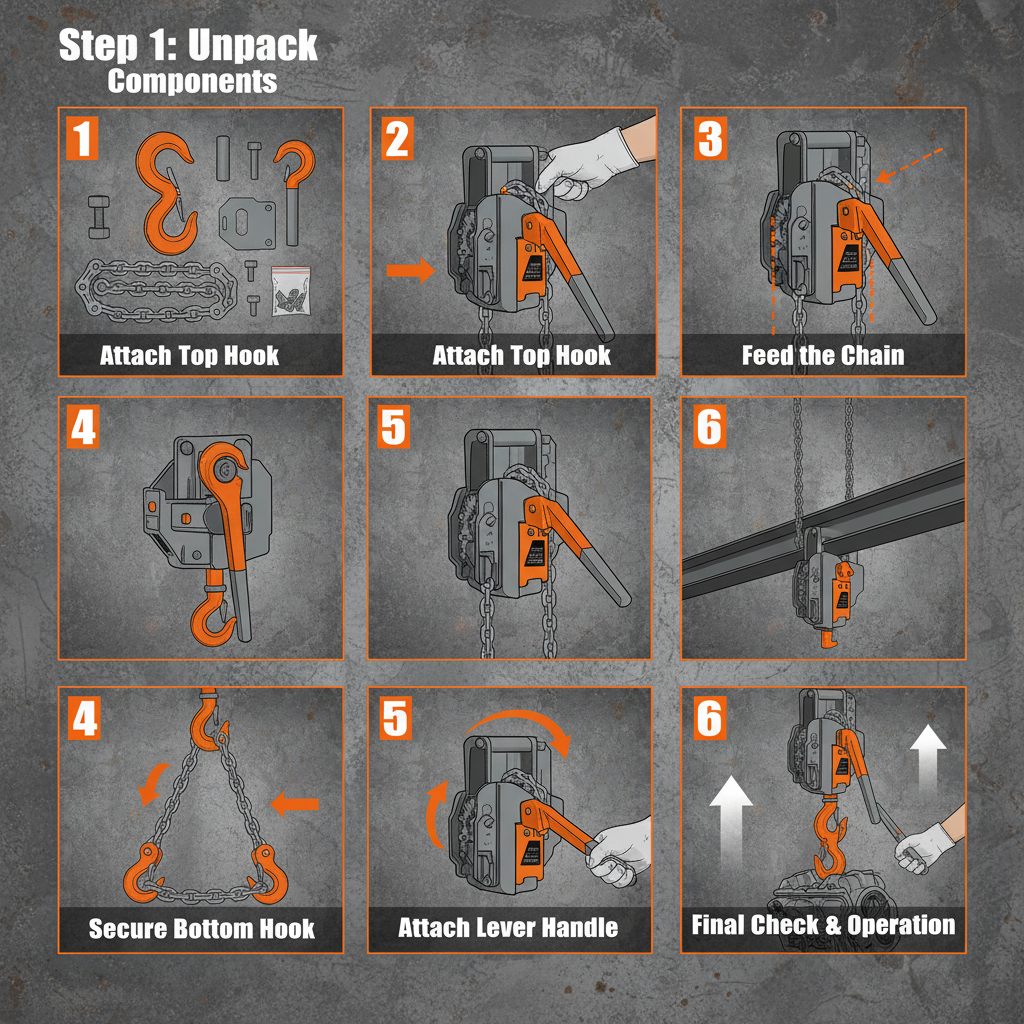
Lever chain hoists utilize a simple yet powerful mechanical advantage principle. They consist of a load chain, a hand chain, and a lifting mechanism that uses a series of gears to multiply the force applied to the hand chain. Pulling the hand chain engages the gears, lifting the load connected to the load chain. This allows users to lift heavy objects with minimal effort. The 3-4 ton range indicates the maximum weight the hoist is designed to handle safely. These hoists are widely used in industries such as construction, manufacturing, warehousing, and automotive repair due to their portability and ease of use.
Key Benefits: Portable, easy to use, requires minimal maintenance, and provides precise lifting control. Ideal for applications where power sources are unavailable.
A 3-4 ton lever chain hoist is versatile and suited for a wide array of lifting tasks. Common applications include lifting machinery, moving heavy equipment, positioning materials for construction projects, loading and unloading trucks, and repairing vehicles. They are particularly useful in confined spaces where cranes or other larger lifting equipment cannot be used. Their compact size and portability make them a convenient solution for temporary lifting needs. For example, in a manufacturing setting, a hoist can be used to install or replace heavy machine parts. In construction, it can assist with lifting materials to higher floors.
Typical Use Cases:
• Construction sites
• Warehousing and logistics
• Manufacturing facilities
• Automotive repair shops
Selecting the appropriate 3-4 ton lever chain hoist requires careful consideration of several factors. First, determine the exact weight of the heaviest load you will be lifting to ensure the hoist's capacity is sufficient. Second, consider the lifting height needed for your application. Different hoists offer varying lifting heights. Third, assess the working environment. For harsh environments, a hoist with corrosion-resistant components is crucial. Finally, consider the chain length and whether it suits your needs. A longer chain provides greater lifting flexibility.
Safety is paramount when operating a lever chain hoist. Always inspect the hoist before each use for any signs of damage, such as worn chains, damaged hooks, or faulty mechanisms. Never exceed the rated capacity of the hoist. Ensure the load is securely attached to the hoist using appropriate slings or lifting devices. Avoid shock loading – apply force gradually and smoothly. Keep hands and feet clear of the load path during lifting and lowering. Regular maintenance, including lubrication, is crucial for ensuring the hoist's safe operation. Proper training for operators is also essential.
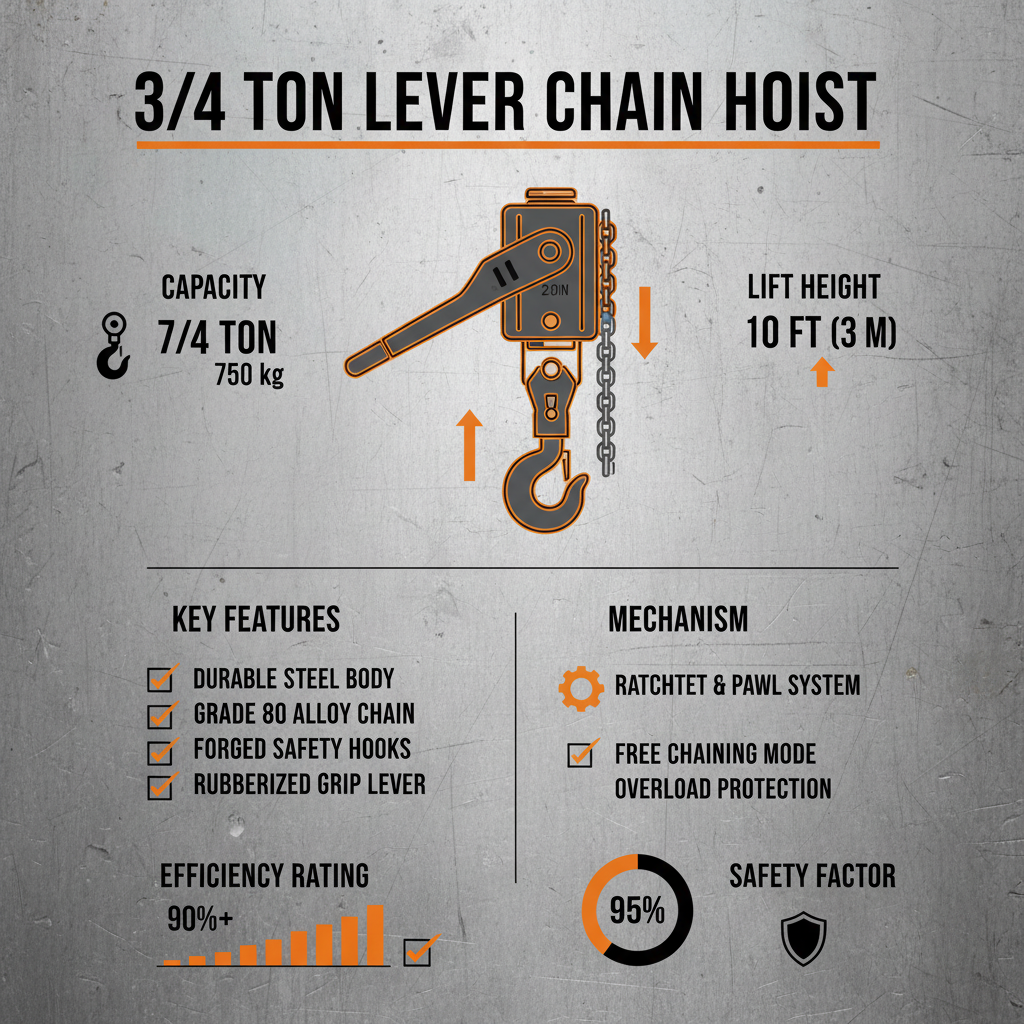
While various lifting methods exist, lever chain hoists offer unique advantages. Compared to electric chain hoists, they don't require a power source, making them ideal for remote locations or areas with limited electricity. They are more portable than cranes and offer greater precision in lifting and positioning. Compared to manual chain falls, lever chain hoists typically offer a higher lifting capacity and require less effort to operate. Qyjuli offers a wide selection of high-quality lever chain hoists to meet diverse needs.
A 3-4 ton lever chain hoist is a powerful and versatile lifting tool suitable for a wide range of applications. By carefully considering your needs, prioritizing safety, and choosing a high-quality hoist, you can ensure efficient and reliable lifting operations for years to come.
The lifespan of a lever chain hoist depends on factors like frequency of use, load weight, and maintenance. With proper care and regular lubrication, a well-maintained hoist can last for several years – typically 5-10 years or more. However, it's crucial to inspect the hoist regularly for wear and tear, and replace any worn or damaged components promptly. The chain is a key component to monitor, as it's subject to the most stress. Always follow the manufacturer's recommendations for inspection and maintenance schedules.
Regular lubrication is critical for maintaining the smooth operation and extending the lifespan of your lever chain hoist. The frequency depends on usage and environmental conditions. As a general guideline, lubricate the chain, gears, and load/hand chain hooks every 3-6 months, or more frequently in dusty or corrosive environments. Use a high-quality lubricant specifically designed for lifting equipment. Ensure you thoroughly clean the components before applying the lubricant.
Essential safety features include a robust lifting hook with a safety latch to prevent accidental load disengagement, a durable and reliable braking system, and a hardened steel chain for increased strength and resistance to wear. Look for hoists that comply with relevant safety standards, such as EN standards. A smooth and consistent lifting action also indicates a well-designed and safe hoist. Regular inspection of these features is essential for ensuring continued safe operation.
Yes, but it’s important to select a hoist designed for outdoor use. Look for models with corrosion-resistant coatings and components to protect against rust and environmental damage. Protect the hoist from direct exposure to rain and sunlight when not in use. Regular cleaning and lubrication are even more important for outdoor hoists to prevent corrosion and maintain smooth operation. Consider using a cover to protect the hoist from the elements.


 Afrikaans
 Albanian
 Amharic
 Arabic
 Armenian
 Azerbaijani
 Basque
 Belarusian
 Bengali
 Bosnian
 Bulgarian
 Catalan
 Cebuano
 China
China
 China (Taiwan)
 Corsican
 Croatian
 Czech
Czech
 Danish
 Dutch
Dutch
 Esperanto
 Estonian
 Finnish
 French
 Frisian
 Galician
 Georgian
 German
 Greek
Greek
 Gujarati
 Haitian Creole
 Hausa
Hausa
 Hawaiian
 Hebrew
 Hindi
Hindi
 Miao
Miao
 Hungarian
 Icelandic
 Igbo
Igbo
 Indonesian
 Irish
Irish
 Italian
 Japanese
 Javanese
 Kannada
 Kazakh
 Khmer
Khmer
 Rwandese
 Korean
 Kurdish
 Kyrgyz
 Lao
Lao
 Latin
Latin
 Latvian
 Lithuanian
 Luxembourgish
 Macedonian
 Malgashi
 Malay
Malay
 Malayalam
 Maltese
 Maori
Maori
 Marathi
 Mongolian
 Myanmar
 Nepali
 Norwegian
 Norwegian
 Occitan
 Pashto
 Persian
 Polish
 Portuguese
 Punjabi
 Romanian
 Russian
 Samoan
 Scottish Gaelic
 Serbian
 Sesotho
 Shona
Shona
 Sindhi
 Sinhala
 Slovak
 Slovenian
 Somali
 Spanish
 Sundanese
 Swahili
 Swedish
 Tagalog
 Tajik
Tajik
 Tamil
Tamil
 Tatar
Tatar
 Telugu
 Thai
Thai
 Turkish
 Turkmen
 Ukrainian
 Urdu
Urdu
 Uighur
 Uzbek
Uzbek
 Vietnamese
 Welsh
Welsh
 Bantu
Bantu
 Yiddish
 Yoruba
 Zulu
Zulu
 English