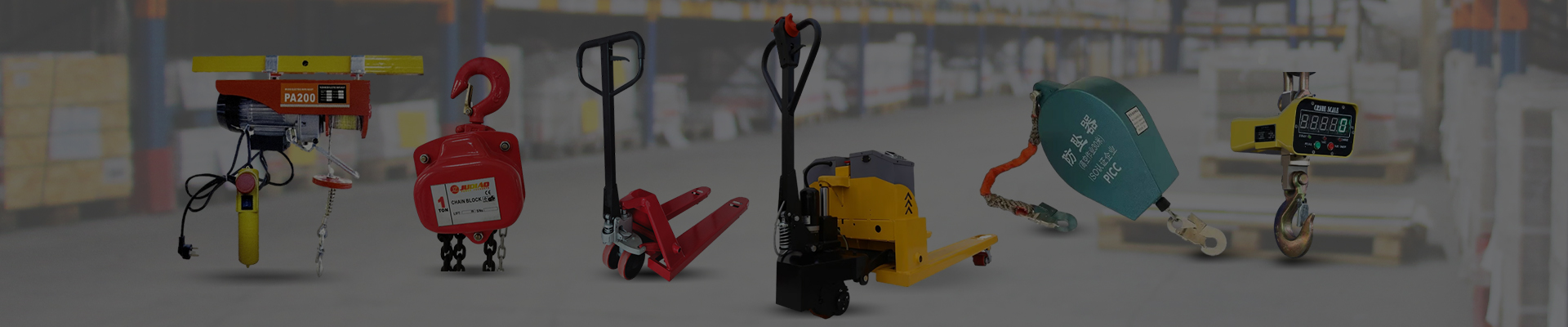


Chain hoist blocks are not the flashiest piece of machinery, but they’re an unsung hero in countless industries worldwide—from construction to disaster relief. Simply put, these devices help lift heavy loads using a system of chains and pulleys. But beyond the mechanics, understanding them is crucial because they often form the backbone of safety and efficiency in operations involving heavy lifting. Globally, the demand for reliable chain hoist blocks is driven by expanding infrastructure needs, increasing industrial activities, and rapid urbanization. The better you grasp their design and application, the more equipped you are to ensure safer, smarter lifting operations.
Mini takeaway: Chain hoist blocks quietly power a vast number of industries, and appreciating their function supports safer work environments worldwide.
According to data from the International Organization for Standardization (ISO), the global construction machinery market, which heavily relies on chain hoist blocks and similar lifting equipment, is projected to grow at a CAGR of around 5.2% through 2030. This growth reflects booming infrastructure projects from Asia-Pacific to Africa. Yet, the challenge remains that many operators still face outdated or unstandardized lifting equipment, risking safety and efficiency.
Take the UN’s focus on sustainable infrastructure in developing countries; proper lifting devices like chain hoist blocks are vital for constructing hospitals, schools, and shelters quickly and safely. So, the block is not just a mechanical tool—it’s a part of a bigger story about progress, safety, and resilience in communities worldwide.
Mini takeaway: Chain hoist blocks play a pivotal role amid rising global infrastructure needs and evolving safety standards.
In the simplest terms, a chain hoist block is a manual or motorized tool used to lift or lower heavy loads by means of a chain. It typically consists of one or more pulleys (also known as sheaves), a chain, and a hook to attach the load. When you pull the hand chain, it rotates the pulleys inside the block, allowing you to lift heavy items with relatively little effort.
Modern industries rely on these because they offer precise control, high load capacity, and portability. Whether it’s lifting equipment parts in a remote mining site or assembling disaster relief shelters, the humble chain hoist block is essential. The UN has even documented their use in emergency response setups where quick deployment and reliability are non-negotiable.
Mini takeaway: The chain hoist block’s simplicity masks its critical role in heavy lifting, from factories to emergency fields.
Many manufacturers use heat-treated steel and corrosion-resistant coatings so the hoist block can endure harsh environments, whether salty marine air or dusty desert sites. Durability translates into fewer replacements and less downtime—something every project manager dreams of.
Chain hoist blocks range from lightweight 500 kg versions to industrial ones that can lift several tons. Choosing the right capacity is critical because it directly affects safety and operational success.
Though robust, many units are surprisingly compact, allowing engineers to move and set them up quickly. Hand chain models require no electricity and minimal maintenance, which is great in off-grid or emergency scenarios.
Blocks can be combined in tandem for heavier lifting or adjusted for longer lifting heights. This flexibility means businesses can adapt to different tasks without buying new equipment each time.
Even if the upfront price varies, a quality chain hoist block pays off through longevity, lower maintenance costs, and enhanced worker safety—less downtime and fewer accidents cut expenses in the long run.
| Feature | Description |
|---|---|
| Load Capacity | 500 kg to 10 tons |
| Material | Heat-treated steel, with zinc or powder coating |
| Chain Diameter | 6 mm to 13 mm |
| Lifting Height | 1.5 m to 6 m (customizable) |
| Operation | Manual chain or electric motorized options |
Mini takeaway: Understanding specs like durability, load limits, and portability helps match the right chain hoist block to your task.
Chain hoist blocks are everywhere, but some standout applications really highlight their value:
A quick case: In a recent relief effort after floods in Southeast Asia, aid workers used manual chain hoist blocks to erect emergency water tanks and mobile clinics. The simplicity and reliability prevented delays during a sensitive time.
Mini takeaway: From disaster relief to mega construction, chain hoist blocks support projects that matter, often in challenging environments.
Beyond the obvious — lifting stuff safely — there’s a deeper value at play. Quality hoist blocks improve safety, avoiding costly accidents and meeting international standards like ISO 12100. They contribute to sustainability too: durable materials mean fewer replacements and less waste.
Emotionally, workers trust gear they know won’t fail—boosting morale on tough projects. Companies benefit from reduced insurance claims and reputation gains by meeting compliance and avoiding incidents. It’s innovation that feels like a quiet victory for everyone involved.
We’re seeing some neat advancements, like:
In fact, many engineers I heard at a recent industry conference are excited about how “smart hoists” could transform industrial safety protocols.
Of course, not all is perfect. Some common issues include:
Solutions? Investing in high-quality products, regular inspection routines as per ISO 12480-1, and proper worker training programs dramatically cut risks. Sometimes, adopting smarter digital monitoring tools is the key.
| Vendor | Load Capacity | Price Range | Customization | Certifications |
|---|---|---|---|---|
| QJYuli | 500 kg to 10 tons | $$ - $$$ | Yes | ISO, CE |
| LiftPro | 1 ton to 5 tons | $ - $$ | Limited | CE |
| SafeLift | 2 tons to 8 tons | $$$ | Yes | ISO, OSHA |
Chain hoist blocks may not grab headlines but they certainly hold up heavy loads globally—in literal and metaphorical senses. Their simplicity belies a complexity in design, safety, and application that propels industries forward sustainably and safely. If you’re in construction, relief work, or any heavy lifting scenario, investing in the right chain hoist block is a no-brainer.
Curious to explore top-quality options? Visit our recommended supplier website: chain hoist block. Your next project deserves the best foundation—and sometimes, that starts with how you lift.
—
References:


 Afrikaans
 Albanian
 Amharic
 Arabic
 Armenian
 Azerbaijani
 Basque
 Belarusian
 Bengali
 Bosnian
 Bulgarian
 Catalan
 Cebuano
 China
China
 China (Taiwan)
 Corsican
 Croatian
 Czech
Czech
 Danish
 Dutch
Dutch
 Esperanto
 Estonian
 Finnish
 French
 Frisian
 Galician
 Georgian
 German
 Greek
Greek
 Gujarati
 Haitian Creole
 Hausa
Hausa
 Hawaiian
 Hebrew
 Hindi
Hindi
 Miao
Miao
 Hungarian
 Icelandic
 Igbo
Igbo
 Indonesian
 Irish
Irish
 Italian
 Japanese
 Javanese
 Kannada
 Kazakh
 Khmer
Khmer
 Rwandese
 Korean
 Kurdish
 Kyrgyz
 Lao
Lao
 Latin
Latin
 Latvian
 Lithuanian
 Luxembourgish
 Macedonian
 Malgashi
 Malay
Malay
 Malayalam
 Maltese
 Maori
Maori
 Marathi
 Mongolian
 Myanmar
 Nepali
 Norwegian
 Norwegian
 Occitan
 Pashto
 Persian
 Polish
 Portuguese
 Punjabi
 Romanian
 Russian
 Samoan
 Scottish Gaelic
 Serbian
 Sesotho
 Shona
Shona
 Sindhi
 Sinhala
 Slovak
 Slovenian
 Somali
 Spanish
 Sundanese
 Swahili
 Swedish
 Tagalog
 Tajik
Tajik
 Tamil
Tamil
 Tatar
Tatar
 Telugu
 Thai
Thai
 Turkish
 Turkmen
 Ukrainian
 Urdu
Urdu
 Uighur
 Uzbek
Uzbek
 Vietnamese
 Welsh
Welsh
 Bantu
Bantu
 Yiddish
 Yoruba
 Zulu
Zulu
 English