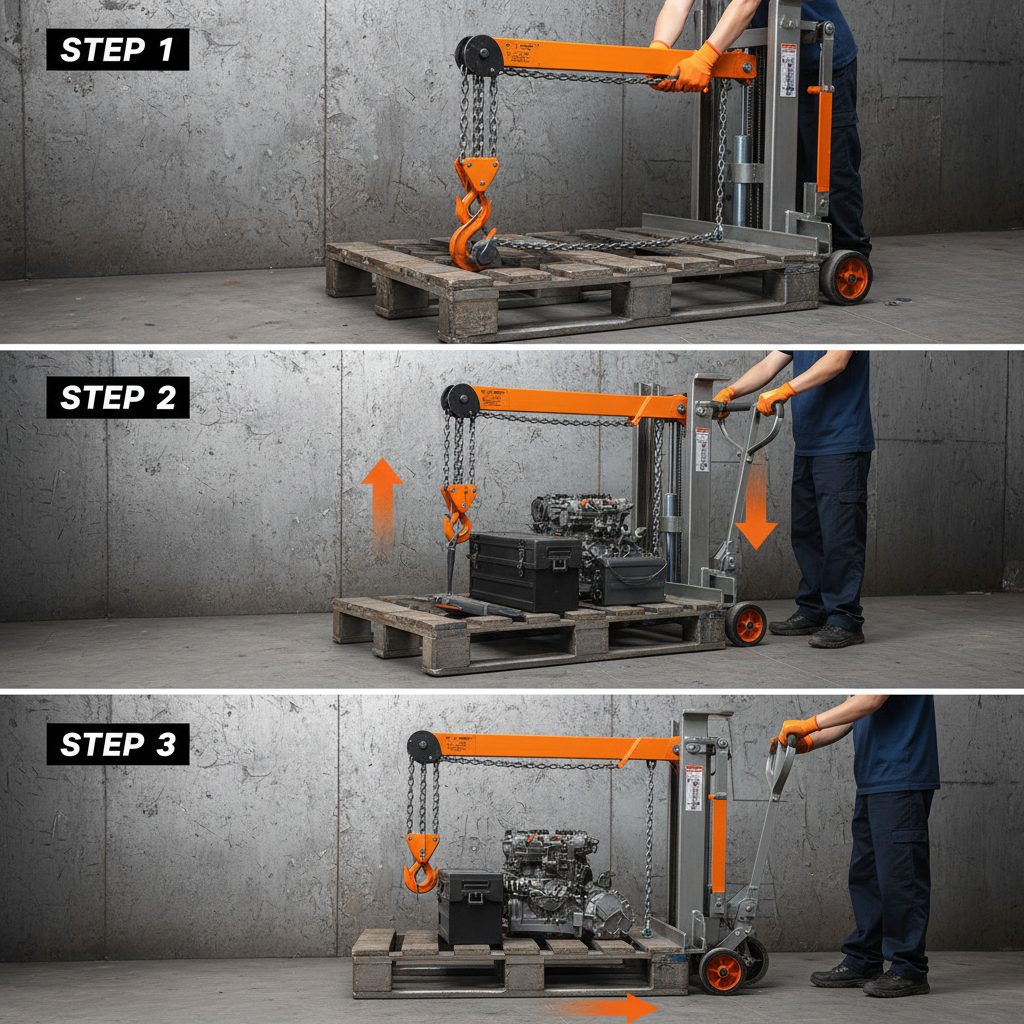


To be honest, the whole hand pallet truck china scene has gotten… complicated. It used to be simple, right? Steel, wheels, hydraulics. But now everyone's chasing lighter materials, fancier finishes, and "smart" features. I've been on enough construction sites to know a lot of that is just marketing fluff. What really matters is whether it can handle the load, day in and day out. Have you noticed how many manufacturers are switching to aluminum alloys? They claim it's for weight reduction, but some of them feel… flimsy. Not like the good old days of solid steel.
I swear, I spent a week last month just arguing with a supplier about the gauge of the steel in the forks. They wanted to go thinner to save a few bucks. I had to show them pictures of forks bending on a site in Guangzhou! It's all about finding the right balance. And then there's the question of the rollers… that’s a whole other headache.
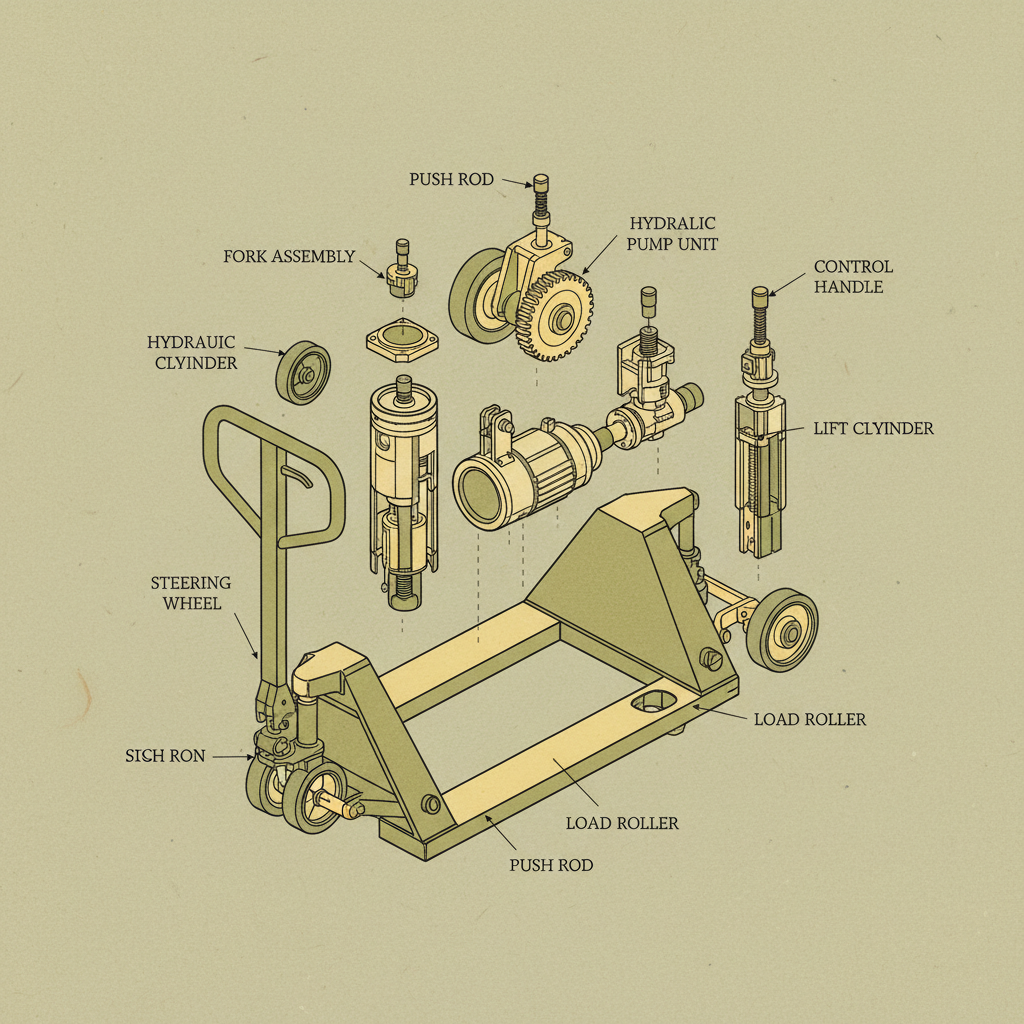
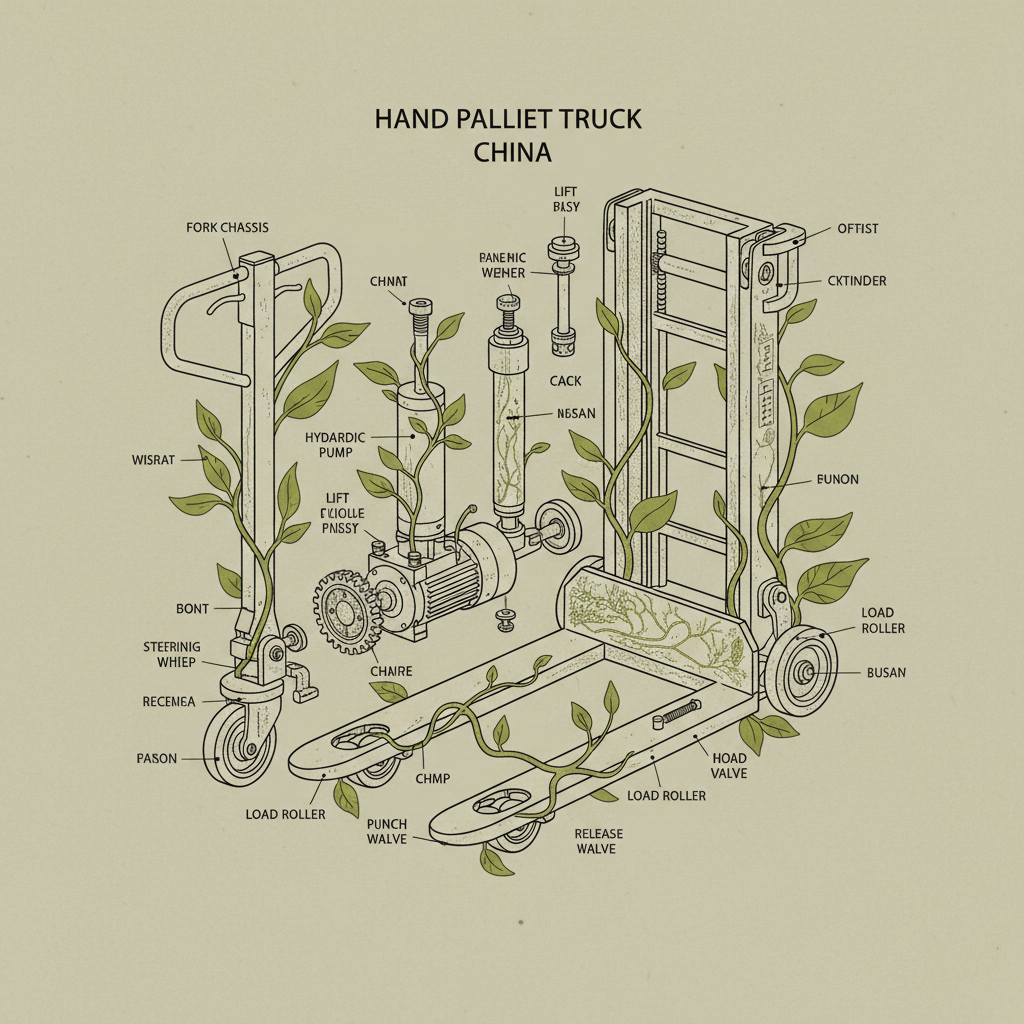
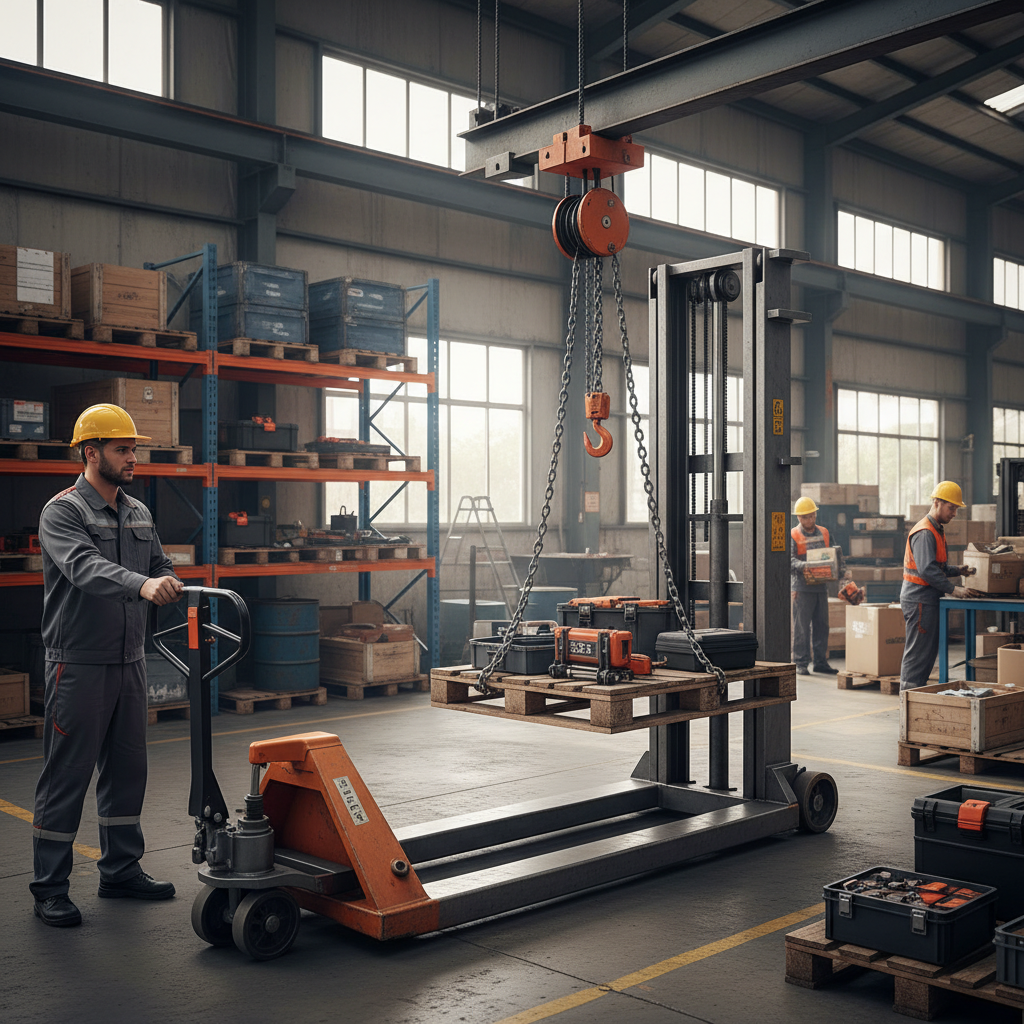
Strangely, everyone’s obsessed with electric pallet trucks now, but the manual ones still make up the bulk of what I see being used. The electric ones are nice for long distances, sure, but the simplicity of a good manual hand pallet truck china – you just pump it – it's reliable. I encountered this at a factory in Dongguan last time. They were bragging about their new electric fleet, but half the workers were still using the old manual ones because they were faster for short moves and didn't need charging.
The biggest trend, though, is definitely the demand for lighter weight options. Companies want to reduce worker strain and improve ergonomics. Makes sense, but it can't come at the expense of durability.
Honestly? Leaks. Cheap seals are the biggest culprit. Especially after a few months of heavy use. Workers often don’t report small leaks, and then suddenly the whole system fails. Regular inspection and seal replacement are key, but a lot of places skip that to save a few yuan. It’s short-sighted.
Really important. Polyurethane is good for smooth floors, quiet, and won't damage the surface. Nylon is tougher and better for rougher surfaces, but louder and can leave marks. Cast iron is rarely used these days, except for very heavy-duty applications. It’s all about the environment it will be used in. Get the wrong wheel, and you'll be replacing it constantly.
It varies wildly, to be honest. A well-maintained truck can last 5-7 years, easily. But if it's abused, overloaded, and ignored, it might only last 2-3. Regular lubrication, checking the hydraulic fluid, and replacing worn parts are essential. And training your workers to use it properly doesn't hurt either!
Not necessarily. A high price tag doesn't guarantee quality. Sometimes you're just paying for fancy features you don’t need. Focus on the build quality, the materials, and the reputation of the manufacturer. I've seen cheap trucks that are surprisingly durable, and expensive trucks that fall apart after a few months.
Regular lubrication is key, especially the pivot points and the pump. Check the hydraulic fluid level and look for leaks. Keep the forks clean and free of debris. And most importantly, train your workers to use it properly. Don’t let them overload it or use it as a battering ram! Simple stuff, but it makes a huge difference.
Absolutely. Most manufacturers can customize the fork width to accommodate specific pallet sizes. It’s a common request. Just be prepared to pay a bit extra and wait a little longer for delivery. Sometimes, a standard size will work with a little adjustment, but custom forks are often the best solution for awkward pallets.
Ultimately, whether you’re talking about steel grade, hydraulic seals, or wheel materials, a hand pallet truck china is a simple machine, but its reliability is paramount. It’s about finding that sweet spot between cost, durability, and usability. Too many companies focus on cutting costs at the expense of quality, and that always comes back to bite them.
But, at the end of the day, whether this thing works or not, the worker will know the moment he tightens the screw. That’s what matters.



 Afrikaans
 Albanian
 Amharic
 Arabic
 Armenian
 Azerbaijani
 Basque
 Belarusian
 Bengali
 Bosnian
 Bulgarian
 Catalan
 Cebuano
 China
China
 China (Taiwan)
 Corsican
 Croatian
 Czech
Czech
 Danish
 Dutch
Dutch
 Esperanto
 Estonian
 Finnish
 French
 Frisian
 Galician
 Georgian
 German
 Greek
Greek
 Gujarati
 Haitian Creole
 Hausa
Hausa
 Hawaiian
 Hebrew
 Hindi
Hindi
 Miao
Miao
 Hungarian
 Icelandic
 Igbo
Igbo
 Indonesian
 Irish
Irish
 Italian
 Japanese
 Javanese
 Kannada
 Kazakh
 Khmer
Khmer
 Rwandese
 Korean
 Kurdish
 Kyrgyz
 Lao
Lao
 Latin
Latin
 Latvian
 Lithuanian
 Luxembourgish
 Macedonian
 Malgashi
 Malay
Malay
 Malayalam
 Maltese
 Maori
Maori
 Marathi
 Mongolian
 Myanmar
 Nepali
 Norwegian
 Norwegian
 Occitan
 Pashto
 Persian
 Polish
 Portuguese
 Punjabi
 Romanian
 Russian
 Samoan
 Scottish Gaelic
 Serbian
 Sesotho
 Shona
Shona
 Sindhi
 Sinhala
 Slovak
 Slovenian
 Somali
 Spanish
 Sundanese
 Swahili
 Swedish
 Tagalog
 Tajik
Tajik
 Tamil
Tamil
 Tatar
Tatar
 Telugu
 Thai
Thai
 Turkish
 Turkmen
 Ukrainian
 Urdu
Urdu
 Uighur
 Uzbek
Uzbek
 Vietnamese
 Welsh
Welsh
 Bantu
Bantu
 Yiddish
 Yoruba
 Zulu
Zulu
 English