

To be honest, things have been moving fast in the pallet truck world. Everyone’s chasing automation, right? Self-balancing, AI-guided… sounds fancy, but out on the factory floor, a lot of it feels like over-engineering. What people really want is something that just… works. Reliably. And doesn’t break the bank.
Have you noticed, the biggest headaches aren’t always the big failures, it’s the little things. Like, everyone thinks a bigger hydraulic cylinder equals more lifting power. Sure, it does, but it also makes the whole thing clumsier, harder to maneuver in tight spaces. That’s a trap a lot of designers fall into. They spec it out on paper, but haven’t actually used it in a crowded warehouse.
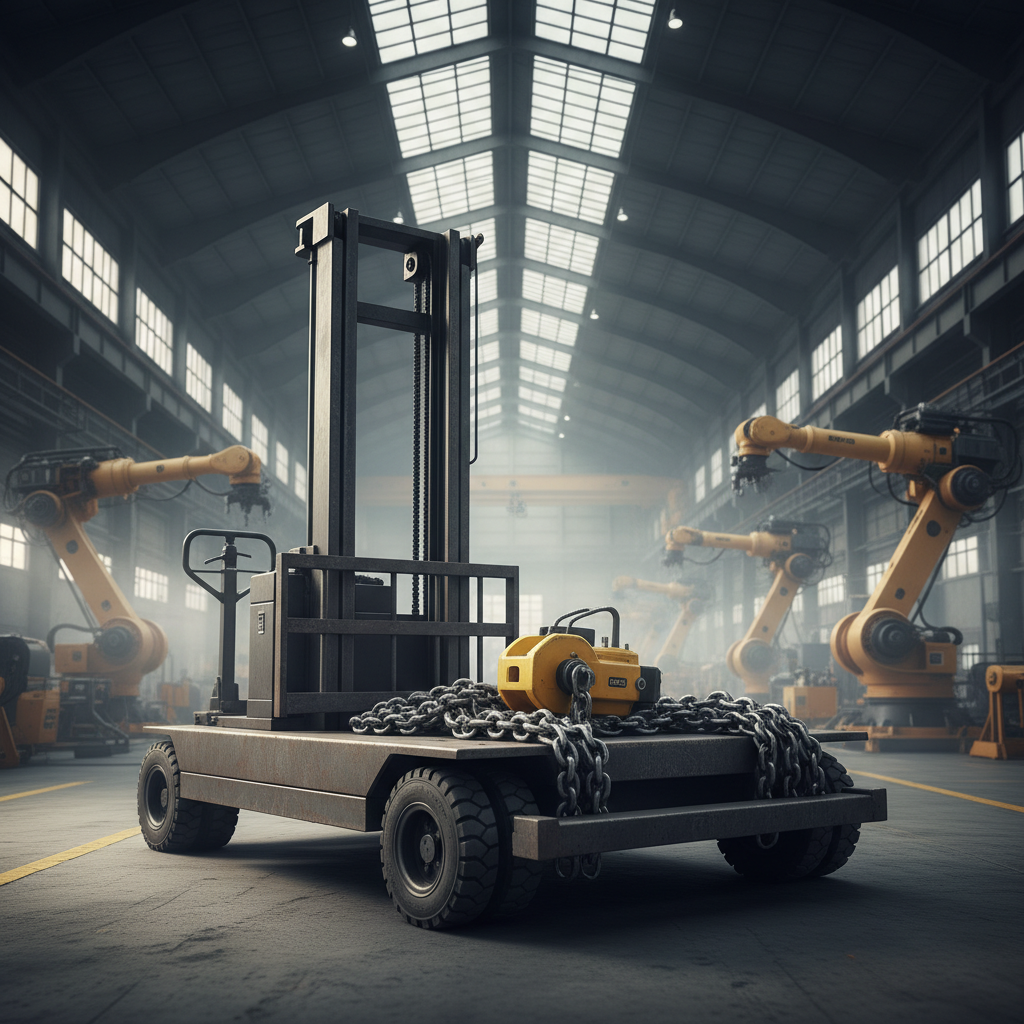
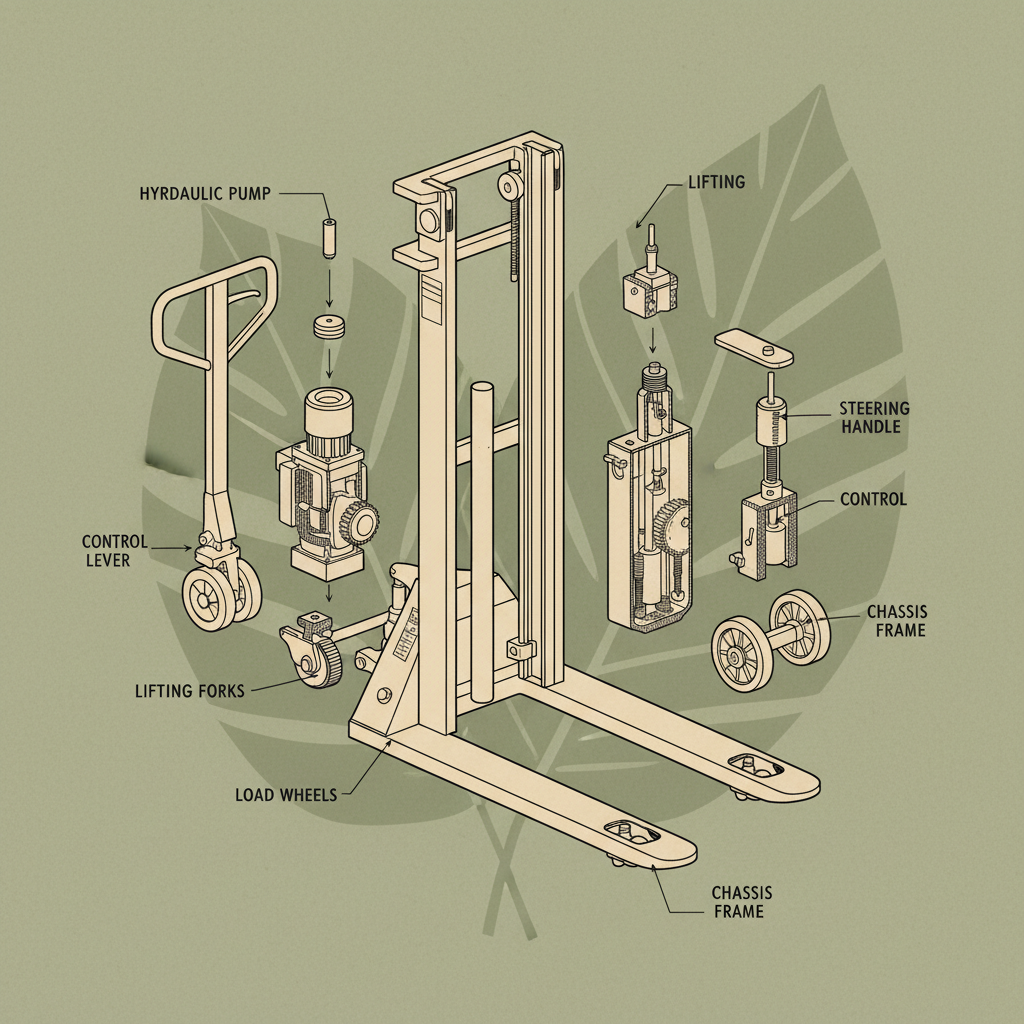
Anyway, I think a good pallet truck starts with the steel. Not just any steel, mind you. We use a high-tensile alloy, feels…substantial. Not that flimsy stuff. You can smell the difference, honestly. It’s got this sort of…metallic tang, I don’t know. And the forks themselves, that’s where you see a lot of cutting corners. We use hardened alloy steel for those, and it’s critical. Gotta be able to withstand constant abuse.
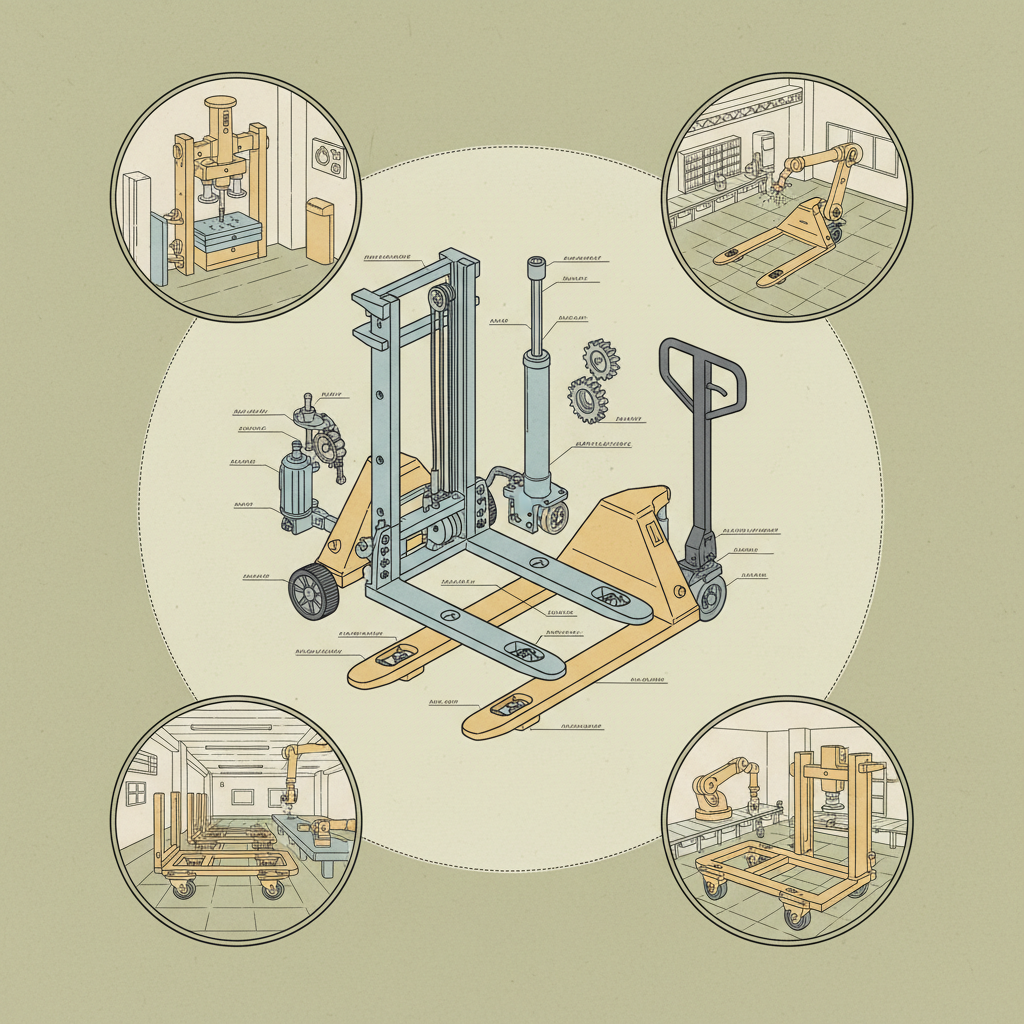
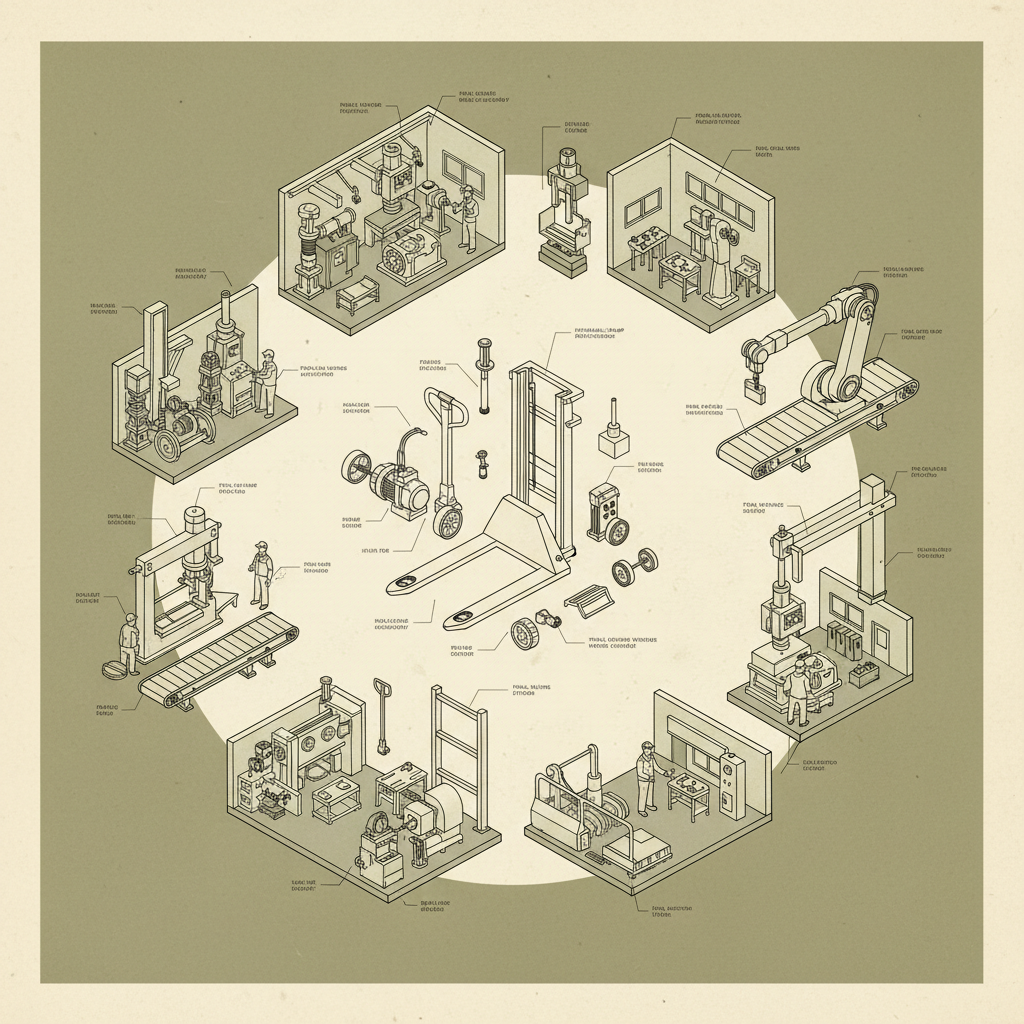
Strangely enough, there’s a push towards lighter materials, composites and all that. Sounds good on paper, reduces fatigue for the operators. But I’ve seen them crack, delaminate, just from everyday use. They’re okay for low-volume stuff, but for a busy warehouse? Give me good old steel any day. Then there’s the whole electric vs. manual debate. Electric’s quieter, smoother…but needs charging, maintenance. A good manual truck, you can fix with a wrench and a bit of grease. Simple.
And the trend towards smaller and smaller wheels… Don’t even get me started. Makes navigating uneven surfaces a nightmare. Everyone’s chasing efficiency, but they forget about practicality.
That really depends on the usage and maintenance, but realistically, you’re looking at anywhere from 3 to 7 years with our standard models. Heavy use, lack of lubrication, forklift collisions… those things will shorten the lifespan. But we’ve seen some trucks still going strong after 10 years with proper care. The key is regular greasing and checking for worn parts.
That's a good question, a lot of warehouses aren't exactly billiard tables! Our trucks have a relatively low center of gravity and a robust steering system designed to navigate minor imperfections. We also offer different wheel options – polyurethane wheels are more forgiving than hard plastic ones. For really rough terrain, we can even suggest heavier-duty models with larger wheels.
It’s pretty straightforward. Regular lubrication of the pivot points and wheel bearings is essential. Check the hydraulic fluid levels. Inspect the forks for cracks or damage. And, of course, make sure the operator is using it correctly—no overloading! We provide a detailed maintenance manual with each truck, but honestly, common sense goes a long way.
They can be, but it's not ideal. Prolonged exposure to rain or extreme temperatures can lead to corrosion and hydraulic issues. We offer models with rust-resistant coatings for outdoor use, but we always recommend storing them indoors whenever possible. We've seen some customers use covers to protect them from the elements. It’s a bit of extra effort, but it can extend the truck’s lifespan significantly.
Our standard models have a weight capacity of 2500kg (5500lbs), but we offer heavier-duty options as well. Safety features include a robust braking system, a stable fork design, and clear weight capacity markings. We also emphasize proper operator training. Overloading a pallet truck is a recipe for disaster, so it’s crucial to respect the weight limit.
We can customize a lot of things, from fork length and width to handle type and wheel material. We've done everything from adding special coatings for corrosive environments to integrating RFID tracking systems. A recent request was for a pallet truck with a built-in scale! We always try to accommodate specific needs, but we also have to balance customization with practicality and cost.
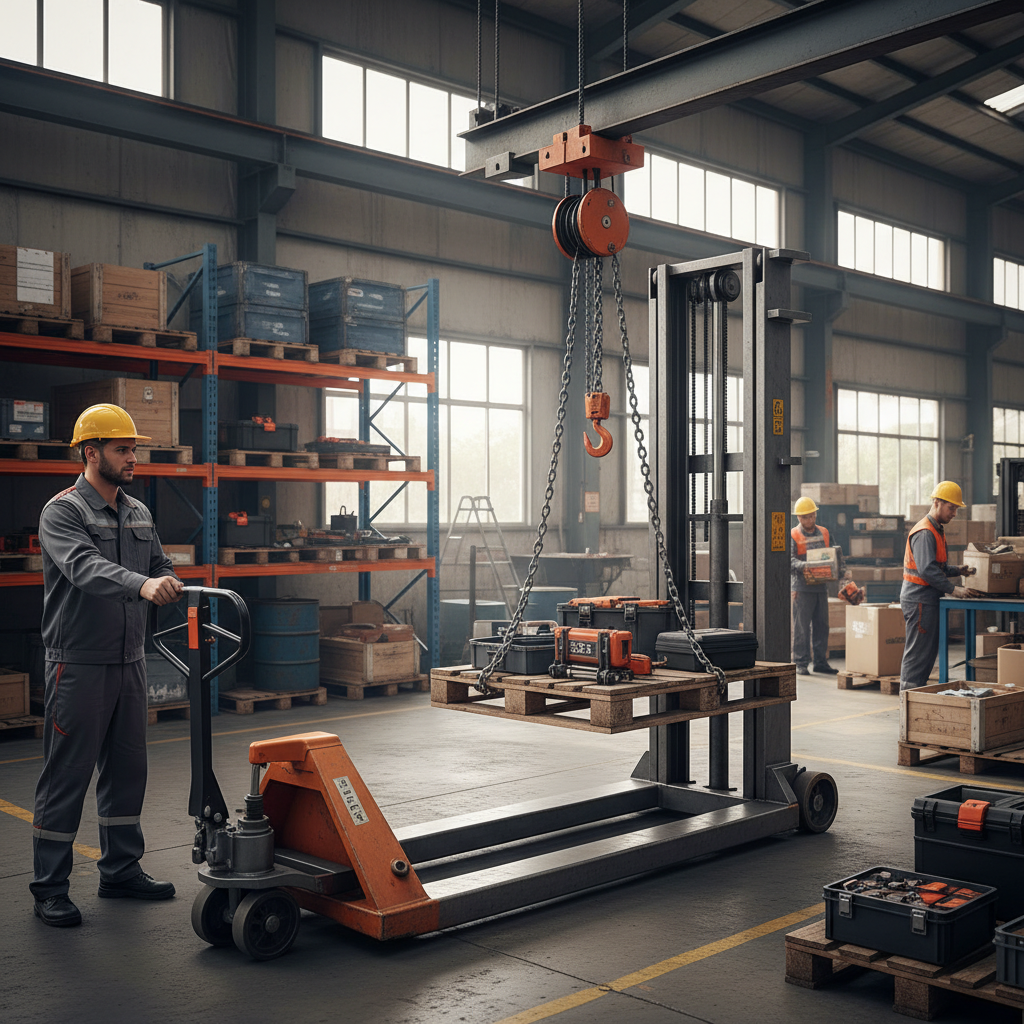
So, yeah, it’s just a pallet truck, right? But it’s a critical piece of the supply chain. It’s the workhorse of the warehouse. And ultimately, whether this thing works or not, the worker will know the moment he tightens the screw.
Don’t get caught up in the hype of the latest tech. Focus on quality, reliability, and practicality. Choose a truck that’s built to last, easy to maintain, and comfortable to use. And if you need something specific, don’t be afraid to ask. We're always happy to help, and honestly, we love a good challenge. Visit our website at qyjuli.com to learn more.



 Afrikaans
 Albanian
 Amharic
 Arabic
 Armenian
 Azerbaijani
 Basque
 Belarusian
 Bengali
 Bosnian
 Bulgarian
 Catalan
 Cebuano
 China
China
 China (Taiwan)
 Corsican
 Croatian
 Czech
Czech
 Danish
 Dutch
Dutch
 Esperanto
 Estonian
 Finnish
 French
 Frisian
 Galician
 Georgian
 German
 Greek
Greek
 Gujarati
 Haitian Creole
 Hausa
Hausa
 Hawaiian
 Hebrew
 Hindi
Hindi
 Miao
Miao
 Hungarian
 Icelandic
 Igbo
Igbo
 Indonesian
 Irish
Irish
 Italian
 Japanese
 Javanese
 Kannada
 Kazakh
 Khmer
Khmer
 Rwandese
 Korean
 Kurdish
 Kyrgyz
 Lao
Lao
 Latin
Latin
 Latvian
 Lithuanian
 Luxembourgish
 Macedonian
 Malgashi
 Malay
Malay
 Malayalam
 Maltese
 Maori
Maori
 Marathi
 Mongolian
 Myanmar
 Nepali
 Norwegian
 Norwegian
 Occitan
 Pashto
 Persian
 Polish
 Portuguese
 Punjabi
 Romanian
 Russian
 Samoan
 Scottish Gaelic
 Serbian
 Sesotho
 Shona
Shona
 Sindhi
 Sinhala
 Slovak
 Slovenian
 Somali
 Spanish
 Sundanese
 Swahili
 Swedish
 Tagalog
 Tajik
Tajik
 Tamil
Tamil
 Tatar
Tatar
 Telugu
 Thai
Thai
 Turkish
 Turkmen
 Ukrainian
 Urdu
Urdu
 Uighur
 Uzbek
Uzbek
 Vietnamese
 Welsh
Welsh
 Bantu
Bantu
 Yiddish
 Yoruba
 Zulu
Zulu
 English