

When lifting and moving heavy loads, safety and efficiency are paramount. A 3 ton lever block chain hoist is a versatile and reliable tool for a wide range of applications. This article will delve into the features, benefits, safety considerations, and common uses of this essential piece of equipment. Whether you’re in construction, manufacturing, or logistics, understanding how to properly utilize a 3 ton lever block is crucial for a successful and safe operation. Investing in quality equipment from a trusted supplier, like Qyjuli, ensures long-term performance and reduces the risk of accidents.
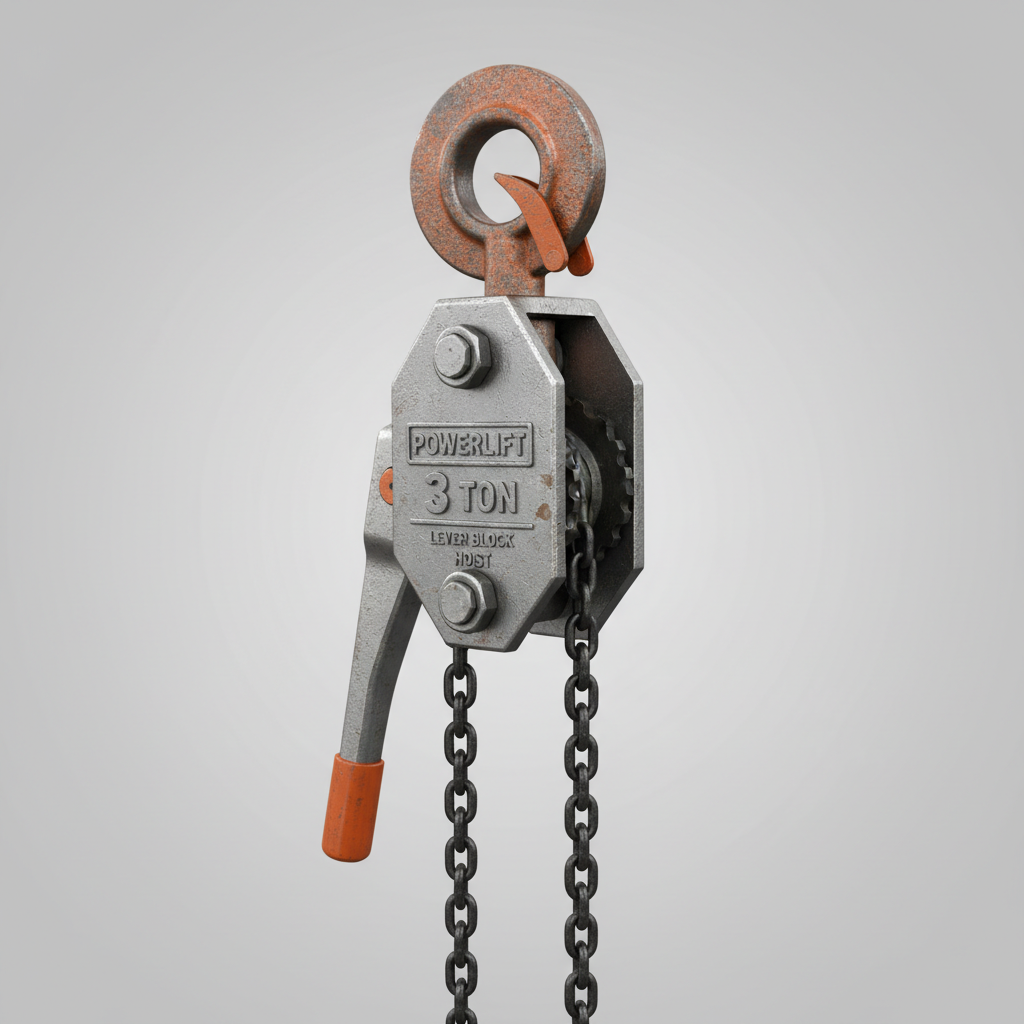
A 3 ton lever block chain hoist is designed for vertical lifting applications, offering a mechanical advantage that allows users to lift heavy loads with relatively little effort. Key features include a robust lifting mechanism, a durable chain, and a comfortable handle for operation. These hoists utilize a lever action to multiply the force applied, making it possible to lift loads up to 3000kg (3 tons). The chain is typically made from high-strength alloy steel, ensuring it can withstand significant tension and wear. A quality lever hoist will also incorporate features like overload protection to prevent damage and ensure operator safety.
Key Highlights: Robust lifting mechanism, durable alloy steel chain, comfortable lever handle, overload protection for enhanced safety.
The versatility of a 3 ton lever block chain hoist makes it suitable for a diverse range of industries and applications. Common uses include: construction sites for lifting building materials, manufacturing facilities for moving machinery and components, warehouses for loading and unloading cargo, automotive workshops for engine repairs, and rigging operations in various industries. Their portability and ease of use make them ideal for situations where a fixed overhead crane isn't available or practical. From small-scale repairs to large-scale construction projects, a reliable hoist is an invaluable asset. Qyjuli offers a variety of hoists to suit different application needs.
Common Applications:
• Construction Sites
• Manufacturing Facilities
• Warehouses and Logistics
• Automotive Repair Shops
While various lifting solutions exist, the 3 ton lever block chain hoist offers a unique balance of portability, affordability, and lifting capacity. Compared to electric hoists, lever hoists require no power source, making them ideal for remote locations. Unlike fixed cranes, they are easily moved and set up. Compared to manual chain blocks (without the lever action), they require significantly less effort to operate. Choosing the right lifting equipment depends on the specific needs of the application. For situations requiring precise control and moderate lifting capacity, a lever block is often the optimal choice.
Safety should always be the top priority when operating a 3 ton lever block chain hoist. Always inspect the hoist before each use, checking for signs of wear or damage to the chain, hook, and lever mechanism. Ensure the load is securely attached and properly balanced before lifting. Never exceed the rated capacity of the hoist. Avoid side loading or dragging the load, as this can cause instability and potential failure. Keep hands clear of the chain and load during operation. Regular maintenance, including lubrication of moving parts, is essential for safe and reliable performance. Qyjuli provides detailed safety guidelines and maintenance recommendations with all its hoists.
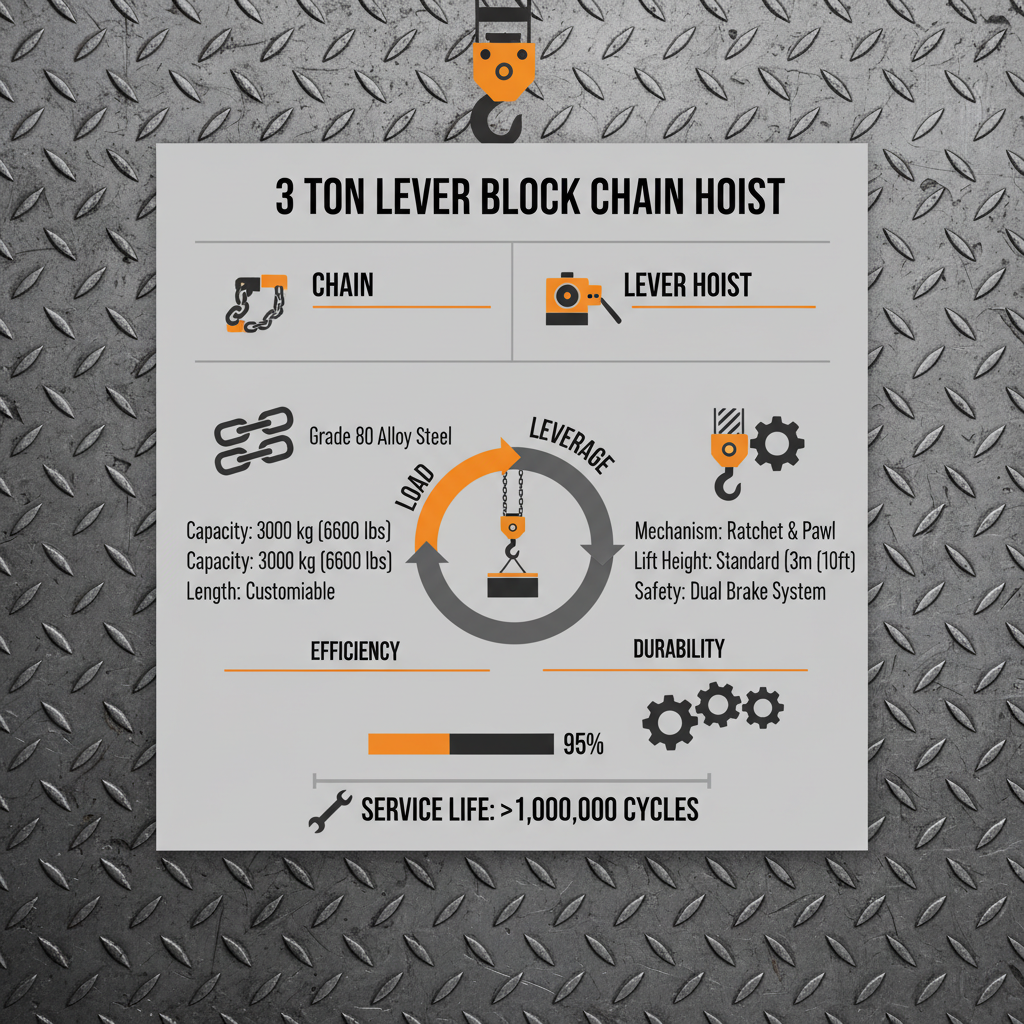
Understanding the specifications of a 3 ton lever block chain hoist is crucial for selecting the right equipment for your needs. Here's a quick overview:
A 3 ton lever block chain hoist is a valuable tool for any operation requiring heavy lifting. By choosing a quality hoist from a reputable supplier like Qyjuli, and following proper safety procedures, you can ensure a safe and efficient lifting process. Prioritize safety, regular maintenance, and proper training to maximize the lifespan and performance of your equipment.
A lever block chain hoist should be inspected before each use, as well as regularly – at least every 6 months, or more frequently depending on the intensity of use and the environment it's operating in. Inspections should cover the chain, hook, lever mechanism, and all other components for signs of wear, damage, or corrosion. Detailed inspection records should be maintained. A qualified person should conduct these inspections. Ignoring regular inspections can lead to unexpected failures and potentially dangerous situations.
Proper lubrication is essential for smooth operation and longevity. Use a high-quality chain lubricant specifically designed for lifting equipment. Apply lubricant to the chain links, the lever mechanism, and any other moving parts. Avoid over-lubricating, as this can attract dirt and debris. Follow the manufacturer's recommendations for lubrication frequency. Qyjuli provides guidance on recommended lubricants and maintenance schedules.
If you notice any damage to the chain, such as cracks, kinks, or excessive wear, immediately remove the hoist from service. Do not attempt to repair a damaged chain. The chain must be replaced by a qualified person with a chain of the same specification and grade. Using a damaged chain can compromise the integrity of the hoist and create a significant safety hazard. Contact Qyjuli for replacement chains and expert advice.
Yes, proper training is highly recommended and often legally required. Operators should be trained on safe lifting practices, hoist inspection procedures, load balancing, and emergency procedures. Training should cover the specific type of hoist being used and the hazards associated with the lifting operation. Understanding the limitations of the equipment and following safety guidelines is crucial for preventing accidents. Qyjuli can provide information on accredited training programs.


 Afrikaans
 Albanian
 Amharic
 Arabic
 Armenian
 Azerbaijani
 Basque
 Belarusian
 Bengali
 Bosnian
 Bulgarian
 Catalan
 Cebuano
 China
China
 China (Taiwan)
 Corsican
 Croatian
 Czech
Czech
 Danish
 Dutch
Dutch
 Esperanto
 Estonian
 Finnish
 French
 Frisian
 Galician
 Georgian
 German
 Greek
Greek
 Gujarati
 Haitian Creole
 Hausa
Hausa
 Hawaiian
 Hebrew
 Hindi
Hindi
 Miao
Miao
 Hungarian
 Icelandic
 Igbo
Igbo
 Indonesian
 Irish
Irish
 Italian
 Japanese
 Javanese
 Kannada
 Kazakh
 Khmer
Khmer
 Rwandese
 Korean
 Kurdish
 Kyrgyz
 Lao
Lao
 Latin
Latin
 Latvian
 Lithuanian
 Luxembourgish
 Macedonian
 Malgashi
 Malay
Malay
 Malayalam
 Maltese
 Maori
Maori
 Marathi
 Mongolian
 Myanmar
 Nepali
 Norwegian
 Norwegian
 Occitan
 Pashto
 Persian
 Polish
 Portuguese
 Punjabi
 Romanian
 Russian
 Samoan
 Scottish Gaelic
 Serbian
 Sesotho
 Shona
Shona
 Sindhi
 Sinhala
 Slovak
 Slovenian
 Somali
 Spanish
 Sundanese
 Swahili
 Swedish
 Tagalog
 Tajik
Tajik
 Tamil
Tamil
 Tatar
Tatar
 Telugu
 Thai
Thai
 Turkish
 Turkmen
 Ukrainian
 Urdu
Urdu
 Uighur
 Uzbek
Uzbek
 Vietnamese
 Welsh
Welsh
 Bantu
Bantu
 Yiddish
 Yoruba
 Zulu
Zulu
 English