


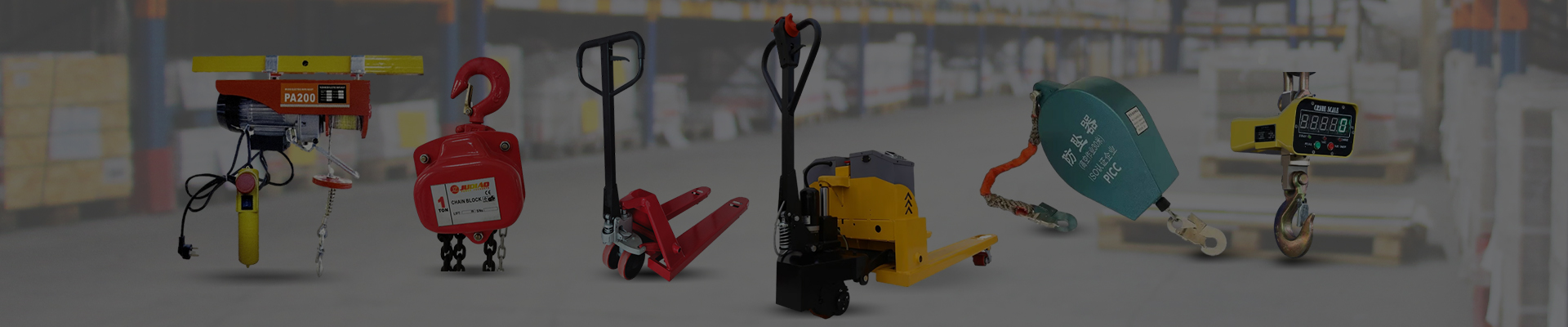
When it comes to lifting heavy loads safely and efficiently, the 500kg chain block is one of those indispensable tools that often goes unnoticed—until you really need it. Its global importance spans construction sites, factories, disaster relief operations, and even remote industrial zones. Grasping how this compact yet powerful device works, and why it matters across so many sectors, can open up new opportunities in both productivity and safety standards worldwide.
The global materials handling market is booming, expected to exceed $300 billion by 2030 (source: Statista). Devices like the 500kg chain block play a crucial role in this growth by enabling safer manual lifting of loads up to half a ton—without complex machinery. This is especially relevant in developing regions where automation is limited. Yet, despite their importance, many operations still face occupational hazards due to improper lifting equipment. That’s where understanding the specs, safe use, and maintenance of chain blocks becomes critical.
Mini-Takeaway: The humble 500kg chain block is a globally relevant, cost-effective lifting aid that improves productivity and safety, especially in resource-constrained environments.Simply put, a 500kg chain block is a manual hoisting device capable of lifting loads up to 500 kilograms using a system of gears and a hand-operated chain. Think of it as a mechanical advantage tool: with relatively little effort, a worker can lift heavy items such as machinery parts, building materials, or even relief supplies during emergencies. These devices have been around for over a century but remain essential in industries where electricity or motors are impractical.
In humanitarian contexts, the 500kg chain block supports critical infrastructure rebuilding, such as erecting shelters and transporting heavy equipment in disaster zones where power may be disrupted. Oddly enough, despite their simplicity, these devices are entwined deeply with modern operational resilience.
Most chain blocks are made from high-grade alloy steel to resist wear and tear. The chains themselves often comply with ISO 4878 standards to ensure strength. Given the roughly half-ton capacity, the break forces are substantial, so durability isn’t a trivial matter. Engineers often say wear-resistant coatings on load chains extend useful life and boost safety margins.
The 500kg rating is not arbitrary—it’s the maximum safe working load (SWL). Exceeding this risks chain failure or structural damage. Good chain blocks include safety latches, overload protection, and clear markings to prevent misuse.
Unlike cranes or electric hoists, chain blocks are hand-powered and relatively compact. They can be deployed quickly in narrow or temporary sites. This makes them especially popular for onsite repairs or within confined industrial zones.
Regular inspection is vital. Many incidents happen due to neglected chains or misaligned gears. User-friendly maintenance, including lubrication points and accessible parts, prolongs service life and ensures operational trustworthiness.
Compared to mechanical hoists, 500kg chain blocks are affordable and require no fuel or electricity. This means they reduce operational costs, especially in off-grid settings.
Mini-Takeaway: The heart of a reliable 500kg chain block lies in material quality, safety features, portability, routine maintenance, and cost-effective design.The 500kg chain block’s simplicity makes it universally applicable. For example:
Interestingly, organizations like the UN Office for the Coordination of Humanitarian Affairs endorse chain blocks as low-tech, reliable lifting solutions in fragile settings.
Mini-Takeaway: Whether it’s rebuilding communities post-disaster or routine industrial use, 500kg chain blocks are universally trusted for their portability and reliability.The benefits are more than just functional. Financially, the low upfront and maintenance costs mean better ROI, especially for small businesses or NGOs. Environmentally, since no electricity or fuel is needed, their carbon footprint is low — aligning with modern sustainability goals.
Socially, these devices enhance worker safety by reducing physical strain and accident risks. On a human level, that promotes dignity and trust on job sites, which frankly, is invaluable for morale and long-term success.
| Vendor | Price Range | Warranty | Certification | Notable Feature |
|---|---|---|---|---|
| QYJULI | $55–$75 | 12 months | ISO 12100, CE | Robust, corrosion-resistant coating |
| CM Tech | $60–$80 | 18 months | EN 13157 | Lightweight design |
| Tiger Hoist | $50–$70 | 6 months | ISO 4878 | Budget-friendly |
While chain blocks may seem “old school,” innovations are quietly reshaping them:
In fact, sustainability is becoming central, prompting manufacturers to rethink both production processes and end-of-life recyclability of components.
Now, it’s not all smooth sailing. Common issues include unexpected load failures due to chain wear, substandard product copies on the market, and a general lack of user training on safe operation. Engineers often stress that even “the best chains can fail if poorly maintained.”
Solutions? Frequent inspections, adherence to manufacturer guidelines, and investing in certified products are crucial. For organizations in remote locations, establishing routine training sessions and having access to spare parts makes a tangible difference.
Mini-Takeaway: Awareness about risks and consistent care transforms the 500kg chain block from just a tool into a trusted workplace partner.All things considered, the 500kg chain block remains a surprisingly vital piece of equipment in lifting heavy loads safely and economically across the globe. From construction to humanitarian aid, its advantages continue to meet today’s challenges—and will likely evolve alongside innovations in materials and digital safety monitoring.
Curious to find out more or invest in quality products? Visit https://www.qyjuli.com to discover the latest 500kg chain block models engineered for reliability and safety.
Sometimes, it’s the simplest devices that hold the greatest stories of resilience and ingenuity.
References:


 Afrikaans
 Albanian
 Amharic
 Arabic
 Armenian
 Azerbaijani
 Basque
 Belarusian
 Bengali
 Bosnian
 Bulgarian
 Catalan
 Cebuano
 China
China
 China (Taiwan)
 Corsican
 Croatian
 Czech
Czech
 Danish
 Dutch
Dutch
 Esperanto
 Estonian
 Finnish
 French
 Frisian
 Galician
 Georgian
 German
 Greek
Greek
 Gujarati
 Haitian Creole
 Hausa
Hausa
 Hawaiian
 Hebrew
 Hindi
Hindi
 Miao
Miao
 Hungarian
 Icelandic
 Igbo
Igbo
 Indonesian
 Irish
Irish
 Italian
 Japanese
 Javanese
 Kannada
 Kazakh
 Khmer
Khmer
 Rwandese
 Korean
 Kurdish
 Kyrgyz
 Lao
Lao
 Latin
Latin
 Latvian
 Lithuanian
 Luxembourgish
 Macedonian
 Malgashi
 Malay
Malay
 Malayalam
 Maltese
 Maori
Maori
 Marathi
 Mongolian
 Myanmar
 Nepali
 Norwegian
 Norwegian
 Occitan
 Pashto
 Persian
 Polish
 Portuguese
 Punjabi
 Romanian
 Russian
 Samoan
 Scottish Gaelic
 Serbian
 Sesotho
 Shona
Shona
 Sindhi
 Sinhala
 Slovak
 Slovenian
 Somali
 Spanish
 Sundanese
 Swahili
 Swedish
 Tagalog
 Tajik
Tajik
 Tamil
Tamil
 Tatar
Tatar
 Telugu
 Thai
Thai
 Turkish
 Turkmen
 Ukrainian
 Urdu
Urdu
 Uighur
 Uzbek
Uzbek
 Vietnamese
 Welsh
Welsh
 Bantu
Bantu
 Yiddish
 Yoruba
 Zulu
Zulu
 English