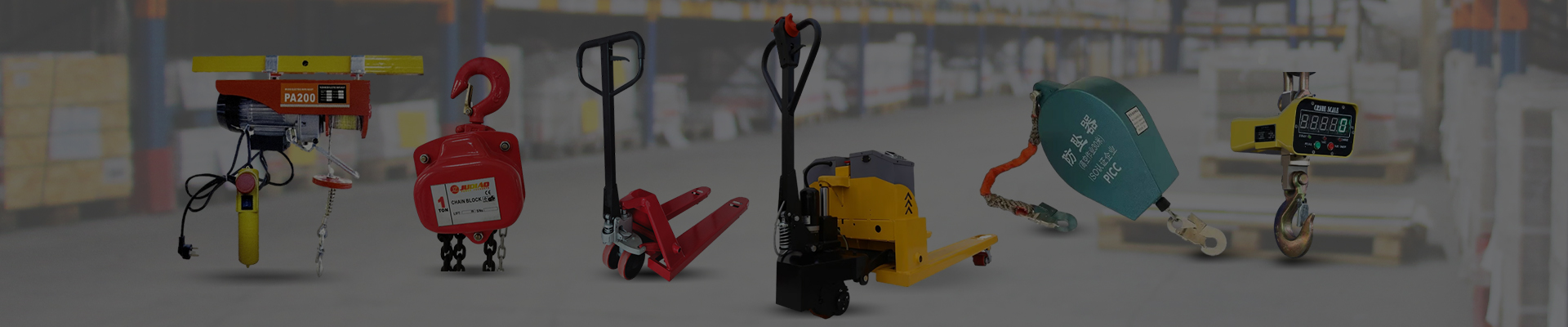


The pa250d electric hoist isn’t just some mundane piece of factory equipment. At its core, it's a modern industrial workhorse — designed to lift heavy loads effortlessly, boosting productivity in construction, manufacturing, and even humanitarian logistics worldwide. Given the surge in global infrastructure projects and the push for safer, more efficient material handling, understanding this device shines a spotlight on how technology continuously reshapes labor and operational safety everywhere. Basically, knowing your pa250d from any ordinary hoist could save a company time, money, and prevent accidents, which — in real terms — is a big deal.
Industrial equipment evolves faster than you think. According to the International Organization for Standardization (ISO), over 87% of manufacturing firms worldwide saw efficiency boosts after adopting modern lifting technology, like electric hoists, between 2015-2023.1 The pa250d electric hoist has emerged as a favorite because it addresses common challenges: heavy lifting is often slow, manually dangerous, and expensive. In zones ranging from Southeast Asia’s booming urban centers to remote mines in South America, the need to lift, maneuver and position heavy goods safely is urgent. For construction sites swampingly busy with timerestrictions and labor crunches — this tool makes a distinct difference.
Still, challenges persist — operators sometimes face downtime due to maintenance or mismatched lifting capacities. The pa250d hoist aims to fix such pain points and bridge safety gaps, which counts for a lot when schedules can’t flex.
Simply put, a pa250d electric hoist is a motor-driven winch or pulley device that lifts or lowers heavy loads vertically. It is designed with advanced electrical components that provide smooth, controlled movement — reducing manual labor and accident risks. Unlike its manual or pneumatic predecessors, this model often boasts higher lifting capacity (roughly 250 kilograms for the “250” in its name), enhanced durability, and precision control.
Its relevance crosses sectors — whether an industrial plant needing to move bulky parts or a disaster relief camp needing to unload aid quickly and safely, the pa250d is what engineers might call a "go-to" solution: compact, intuitive, and robust.
Most versions come encased in corrosion-resistant steel or aluminum, which protects sensitive gears and motors. This means operators in humid or dusty environments can trust the equipment to work over years, not months. It’s not just hype — many field reports highlight the pa250d's ability to survive rough industrial use without constant repairs.
Rated around 250 kilograms, this hoist fits medium-heavy tasks well, but it's scalable. Users can combine or customize configurations for heavier loads, which helps businesses avoid investing in multiple devices.
The pa250d model usually offers remote control options, overload protection, and smooth braking mechanisms. This dramatically reduces accidents caused by sudden drops or operator fatigue — two notorious causes of on-site injuries.
Compared to older models, the electric motor and controller modules consume less energy without sacrificing power. This appeals especially to companies with green mandates or high operational hours.
One frequently overlooked factor is how straightforward the pa250d is to maintain — many technicians report minimal downtime after simple periodic checks.
| Specification | Detail |
|---|---|
| Maximum Load Capacity | 250 kg |
| Lifting Speed | 8 m/min (variable control) |
| Power Supply | 220V AC, 50 Hz |
| Motor Power | 1.5 kW |
| Control Type | Wireless Remote & Pendant |
| Weight | ~25 kg |
The applications are surprisingly broad. You find these hoists on:
Oddly enough, some smaller urban farms and makerspaces have started using a scaled-down pa250d variant for precision lifting of crops or prototypes as well.
Frankly, the benefits are both down-to-earth and substantial:
The emotional side? Imagine fewer accidents, less downtime, and the peace of mind that comes with proven tech — it’s quite empowering.
The industry is evolving fast. Expect to see:
No tool is perfect. Some operators have pointed out:
The good news? Vendors are rolling out improved overload sensors, hybrid energy systems, and more comprehensive training programs — innovations born directly from field feedback.
| Vendor | Price Range (USD) | Warranty | Key Feature | Global Reach |
|---|---|---|---|---|
| QYJuli | $800–$950 | 2 years | Superior corrosion resistance, wireless control | Asia, Europe, Americas |
| LiftMaster | $850–$1000 | 3 years | Integrated IoT diagnostics | North America, Europe |
| InduLift | $750–$900 | 1.5 years | Compact form factor, easy maintenance | Asia, Africa |
Ideally, conduct visual inspections weekly, with a more detailed technical check quarterly. This includes motor condition, wire rope integrity, and control function. Many companies follow manufacturer recommendations closely to minimize downtime.
Yes, the pa250d is built with weather-resistant casings and sealed electronics. However, consistent cleaning and protective coverings are advised during heavy dust storms or prolonged rain to extend life span.
Training is relatively quick — most operators become proficient within a day or two, thanks to user-friendly remote controls and built-in safety locks. Proper training sessions are essential though, particularly around load limits and emergency stops.
Yes, thanks to efficient motors and modern control technology, the pa250d consumes approximately 15–20% less power than older electric hoists, which adds up to significant savings over the long run.
If you’re looking for a solid, reliable hoist with proven uptime, scalable capacity, and industry-leading safety features, the pa250d electric hoist really earns its stripes. Whether for manufacturing floors or disaster relief logistics, it combines practicality and innovation, making the heavy lift lighter on everyone’s mind.
Curious to see how it can transform your operations? Visit our website at https://www.qyjuli.com to learn more.


 Afrikaans
 Albanian
 Amharic
 Arabic
 Armenian
 Azerbaijani
 Basque
 Belarusian
 Bengali
 Bosnian
 Bulgarian
 Catalan
 Cebuano
 China
China
 China (Taiwan)
 Corsican
 Croatian
 Czech
Czech
 Danish
 Dutch
Dutch
 Esperanto
 Estonian
 Finnish
 French
 Frisian
 Galician
 Georgian
 German
 Greek
Greek
 Gujarati
 Haitian Creole
 Hausa
Hausa
 Hawaiian
 Hebrew
 Hindi
Hindi
 Miao
Miao
 Hungarian
 Icelandic
 Igbo
Igbo
 Indonesian
 Irish
Irish
 Italian
 Japanese
 Javanese
 Kannada
 Kazakh
 Khmer
Khmer
 Rwandese
 Korean
 Kurdish
 Kyrgyz
 Lao
Lao
 Latin
Latin
 Latvian
 Lithuanian
 Luxembourgish
 Macedonian
 Malgashi
 Malay
Malay
 Malayalam
 Maltese
 Maori
Maori
 Marathi
 Mongolian
 Myanmar
 Nepali
 Norwegian
 Norwegian
 Occitan
 Pashto
 Persian
 Polish
 Portuguese
 Punjabi
 Romanian
 Russian
 Samoan
 Scottish Gaelic
 Serbian
 Sesotho
 Shona
Shona
 Sindhi
 Sinhala
 Slovak
 Slovenian
 Somali
 Spanish
 Sundanese
 Swahili
 Swedish
 Tagalog
 Tajik
Tajik
 Tamil
Tamil
 Tatar
Tatar
 Telugu
 Thai
Thai
 Turkish
 Turkmen
 Ukrainian
 Urdu
Urdu
 Uighur
 Uzbek
Uzbek
 Vietnamese
 Welsh
Welsh
 Bantu
Bantu
 Yiddish
 Yoruba
 Zulu
Zulu
 English