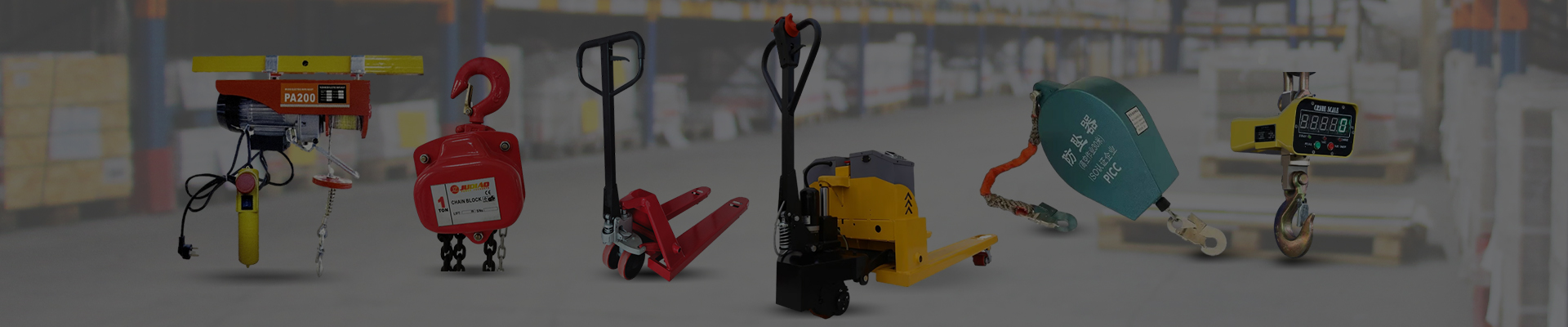


If you’ve ever needed to lift something heavy—say, a massive engine block or even a wing section of an aircraft—you’re probably grateful for devices like chain hoists. But beyond the obvious, chain hoists underpin entire industries and emergency efforts worldwide. They're often the silent workhorses enabling safe manual lifting, especially in places where bulky cranes aren’t an option.
Globally, the market for chain hoist for sale reflects a subtle yet vital thread in manufacturing, construction, and humanitarian logistics. According to the International Labour Organization, safer lifting technologies reduce workplace injuries by over 40%, and chain hoists play a big role in that. Knowing about chain hoists, their specifications, and how to pick the right unit can save time, costs, and yes, more than a few backs.
Mini takeaway: Chain hoists might seem basic, but they’re vital tools shaping industries and safety worldwide.
Believe it or not, demand for chain hoist for sale is growing steadily — especially in emerging markets across Asia, Africa, and South America. The World Bank notes that infrastructural development in these regions is booming, creating a huge need for dependable, cost-effective lifting solutions. Since heavy machinery isn’t always accessible or affordable, chain hoists fill the gap perfectly.
Yet, a challenge persists: traditional lifting equipment is often bulky, expensive, and needs substantial power. That’s where manual (or electric) chain hoists shine — portable, scalable, and surprisingly versatile. Plus, in disaster relief zones or rural setups, they’re often the only realistic option for handling heavy loads safely.
Mini takeaway: Chain hoists remain relevant by addressing lifting challenges where power, cost, and accessibility limit bigger equipment.
At its core, a chain hoist is a mechanical device designed to lift, lower, and sometimes horizontally move heavy loads using a chain and pulley system. When you pull the hand chain, it turns gears inside, multiplying your effort to raise heavy objects with minimal force.
In real industry terms, the ‘chain hoist for sale’ typically refers to compact units used across workshops, factories, and construction sites. They can range from manual versions (hand-powered) to electric or pneumatic-powered for more intense jobs.
Interesting fact: these devices aren't just about lifting—they're about controlled, safe movement of heavy materials, making them crucial for assembly lines, shipping docks, and even disaster relief operations.
Mini takeaway: Chain hoists translate human effort into powerful, precise lifting and are indispensable in modern industry.
Look for rugged steel construction, corrosion-resistant coatings, and smooth chain movement. Oddly enough, many engineers swear by heat-treated load chains—they last way longer under stress.
This is the maximum weight the hoist can safely handle. Most chain hoists range from 0.5 tons up to 20 tons or more. I noticed most users tend to play it safe and get a hoist rated 20–30% above their typical maximum load.
Some models offer faster lifting speeds thanks to gearing ratios or electric motors. It’s a balance—faster may mean less control, so know your application.
Does the hoist have easy hooks, lightweight design, or modular parts? Portability matters, especially for fieldwork or remote sites.
Look for overload protection, emergency brakes, and easy chain lubrication systems. These aren’t just bells and whistles—they keep operators safe year after year.
Price versus lifespan, ease of maintenance, and energy consumption (for powered hoists) factor into long-term value. Sometimes the cheapest upfront option gets expensive quickly.
Mini takeaway: Beyond price, durability, safety, and right load specs make the difference in real-world use.
Oddly enough, many NGOs rely on these simple machines to bring dignity and safety in crisis zones, which is a reminder that innovation isn’t always complicated.
Mini takeaway: Chain hoists pull weight not only physically but socially, bridging gaps across diverse industries and locations.
And frankly, getting the right chain hoist feels like having a trusted workhorse — sturdy, no-nonsense, and ready to make a heavy job lighter.
Innovation is creeping in. New models integrate digital load monitoring to prevent overloading, smart sensors for predictive maintenance, and eco-friendly materials. Some companies explore blockchain-based sourcing to guarantee ethical manufacturing. There’s also a push towards electric and cordless battery-powered hoists, making mid-size lifts faster and cleaner.
Green energy trends encourage hybrid hoists that can either be manual or electric, preserving versatility in low-power settings. Plus, 3D printing or modular design could redefine spare parts’ availability globally.
Mini takeaway: While the principle stays classic, chain hoists are embracing digital and eco-friendly advances to stay relevant.
Realistically, no gear is perfect—but proactive maintenance and smart purchase choices go a long way.
| Model | Load Capacity | Lifting Height | Operation Type | Weight | Price Range |
|---|---|---|---|---|---|
| HS-1T Manual | 1 Ton | 3m | Manual | 12 kg | $150 - $250 |
| EH-3T Electric | 3 Ton | 6m | Electric | 40 kg | $900 - $1500 |
| PM-5T Pneumatic | 5 Ton | 8m | Pneumatic | 55 kg | $1300 - $1900 |
| Vendor | Range of Capacities | Warranty | Unique Features | Price Level |
|---|---|---|---|---|
| LiftingPro | 0.5 - 10 Tons | 3 Years | Digital Load Display | $$$ |
| MaxHoist | 0.25 - 5 Tons | 2 Years | Lightweight Alloy Chains | $$ |
| EcoLift | 1 - 15 Tons | 5 Years | Eco-Friendly Materials & Solar Charging | $$$$ |
In the grand scheme, investing in a reliable chain hoist for sale blends practicality with safety. It’s a subtle cornerstone supporting global infrastructure, industry, and even humanitarian action. Whether you’re outfitting a workshop or planning relief logistics in tough terrain, having the right hoist means less strain, more control, and better outcomes.
Need one? Don’t just pick the cheapest or most popular. Consider capacity, durability, and vendor support. And when you’re ready, visit our website to explore carefully curated options that balance value and performance.
Here's to lifting smarter, safer, and greener.
References:


 Afrikaans
 Albanian
 Amharic
 Arabic
 Armenian
 Azerbaijani
 Basque
 Belarusian
 Bengali
 Bosnian
 Bulgarian
 Catalan
 Cebuano
 China
China
 China (Taiwan)
 Corsican
 Croatian
 Czech
Czech
 Danish
 Dutch
Dutch
 Esperanto
 Estonian
 Finnish
 French
 Frisian
 Galician
 Georgian
 German
 Greek
Greek
 Gujarati
 Haitian Creole
 Hausa
Hausa
 Hawaiian
 Hebrew
 Hindi
Hindi
 Miao
Miao
 Hungarian
 Icelandic
 Igbo
Igbo
 Indonesian
 Irish
Irish
 Italian
 Japanese
 Javanese
 Kannada
 Kazakh
 Khmer
Khmer
 Rwandese
 Korean
 Kurdish
 Kyrgyz
 Lao
Lao
 Latin
Latin
 Latvian
 Lithuanian
 Luxembourgish
 Macedonian
 Malgashi
 Malay
Malay
 Malayalam
 Maltese
 Maori
Maori
 Marathi
 Mongolian
 Myanmar
 Nepali
 Norwegian
 Norwegian
 Occitan
 Pashto
 Persian
 Polish
 Portuguese
 Punjabi
 Romanian
 Russian
 Samoan
 Scottish Gaelic
 Serbian
 Sesotho
 Shona
Shona
 Sindhi
 Sinhala
 Slovak
 Slovenian
 Somali
 Spanish
 Sundanese
 Swahili
 Swedish
 Tagalog
 Tajik
Tajik
 Tamil
Tamil
 Tatar
Tatar
 Telugu
 Thai
Thai
 Turkish
 Turkmen
 Ukrainian
 Urdu
Urdu
 Uighur
 Uzbek
Uzbek
 Vietnamese
 Welsh
Welsh
 Bantu
Bantu
 Yiddish
 Yoruba
 Zulu
Zulu
 English