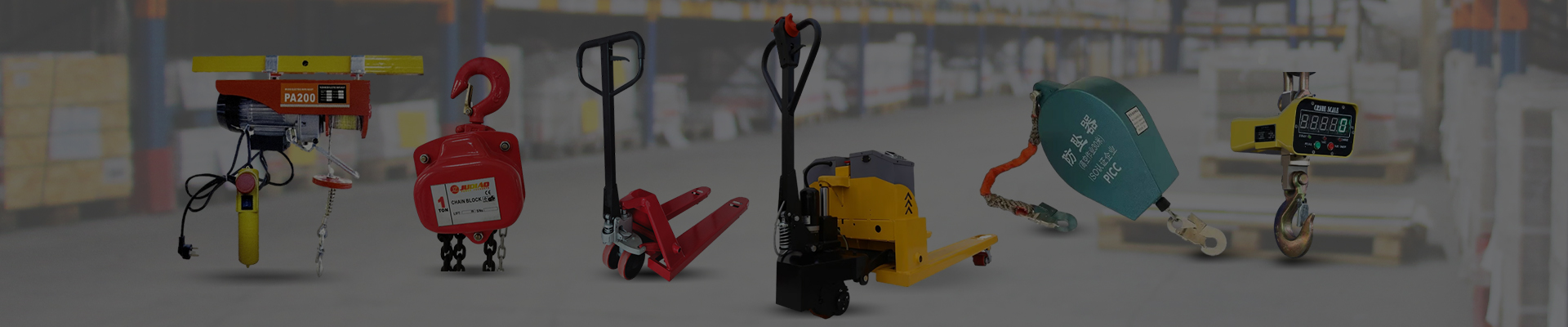


When considering material handling solutions, a 1 ton chain hoist is a versatile and efficient tool. However, navigating the pricing landscape can be complex. This article provides a comprehensive overview of factors influencing the 1 ton chain hoist price, helping you make informed decisions. We’ll explore different types, features, and suppliers to give you a clear understanding of the market and potential costs. Choosing the right hoist involves balancing cost with quality and application requirements.
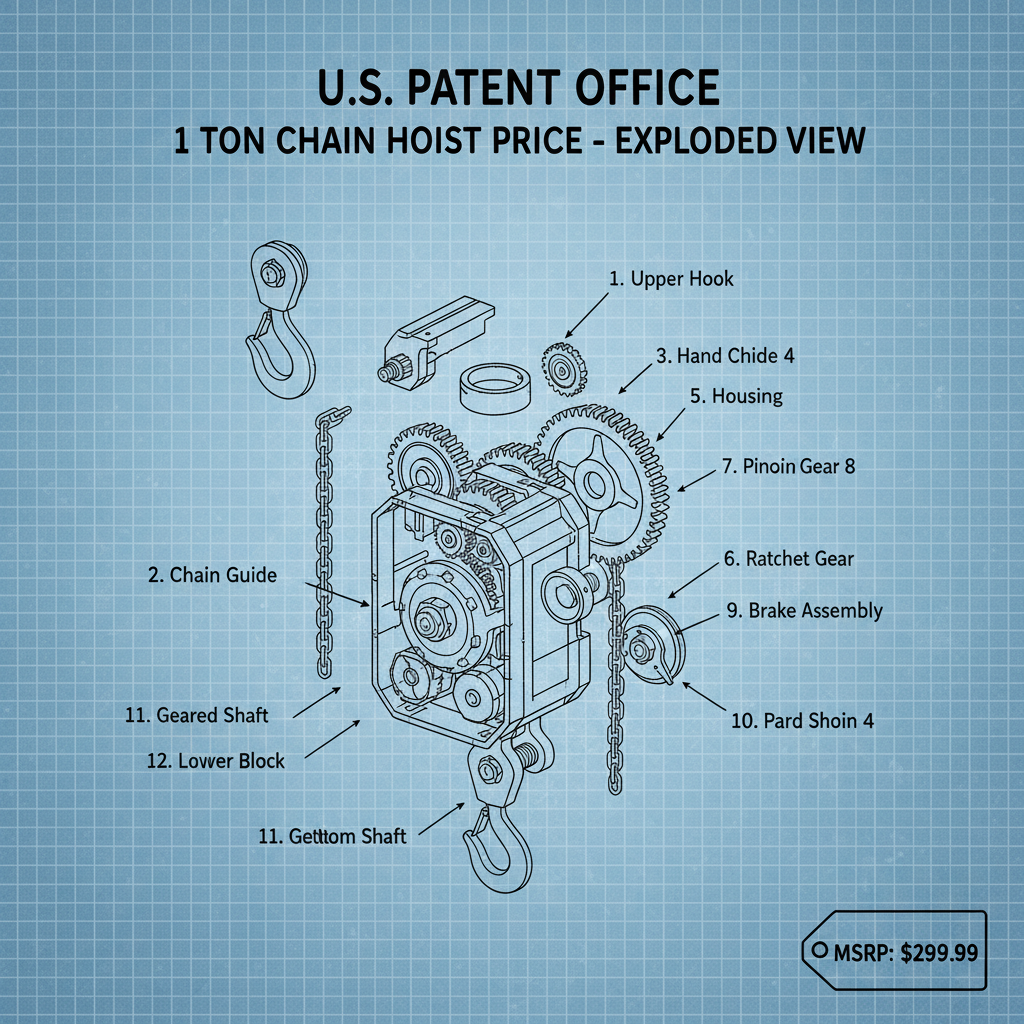
The price of a 1 ton chain hoist varies significantly based on the type. The most common types include manual chain hoists, electric chain hoists, and air-powered chain hoists. Manual hoists are the most affordable, while electric and air-powered options offer greater convenience and efficiency at a higher cost. The lifting height, chain length, and specific features (like overload protection) also influence the price. Understanding these variations will help you identify the best option for your needs and budget. QYJULI offers a wide range of these hoists.
Key Highlights: Understanding the different types of chain hoists – manual, electric, and air-powered – is critical to finding the right balance between cost, convenience, and performance.
Several factors contribute to the final 1 ton chain hoist price. The quality of materials used (alloy steel versus carbon steel), the brand reputation, and the supplier's location all play a role. Hoists with advanced features, such as overload protection, variable speed control, or remote operation, will typically be more expensive. Shipping costs, import duties (for international buyers), and any additional accessories (like lifting slings or trolleys) also add to the total cost. Carefully evaluating these factors will help you secure the best possible price.
Price Influencing Factors:
• Material Quality (Alloy vs. Carbon Steel)
• Brand Reputation & Reliability
• Added Features (Overload Protection, etc.)
• Shipping & Import Duties
A direct comparison between manual and electric 1 ton chain hoists reveals significant price differences. Manual hoists offer a cost-effective solution for infrequent lifting needs, while electric hoists provide greater efficiency for repetitive tasks. The initial investment for an electric hoist is higher, but the long-term benefits in terms of labor savings and increased productivity can outweigh the cost. Consider the frequency of use and the nature of your lifting operations when making your decision. QYJULI provides detailed specifications and pricing for both types.
Sourcing your 1 ton chain hoist from a reputable supplier is crucial to ensure quality and safety. Look for suppliers with a proven track record, positive customer reviews, and a commitment to industry standards. Consider suppliers that offer certifications, warranties, and after-sales support. QYJULI is a trusted manufacturer and supplier of chain hoists, offering competitive pricing and exceptional customer service. Always verify the supplier's credentials before making a purchase.
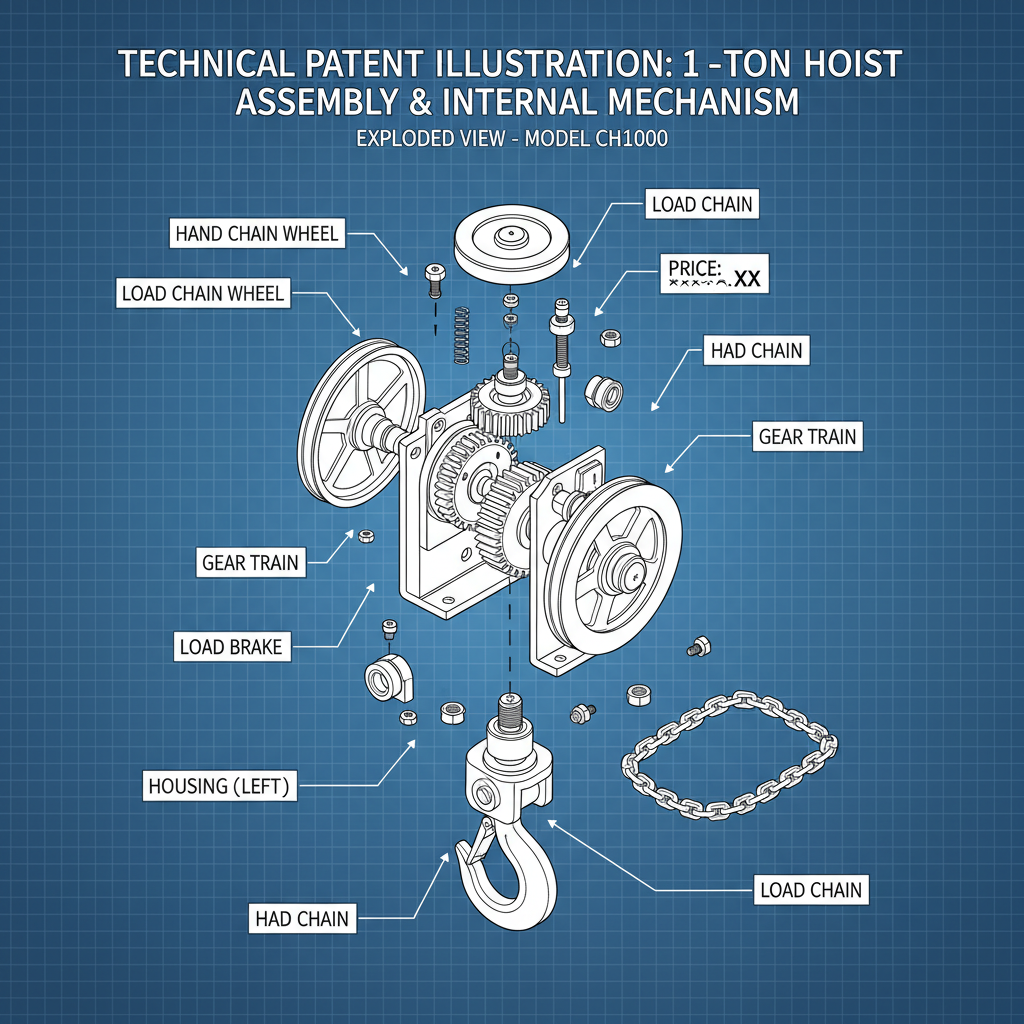
While price is important, safety should be your top priority when purchasing a 1 ton chain hoist. Ensure the hoist meets relevant safety standards (such as CE or ASME) and comes with a certificate of conformity. Regular inspection and maintenance are essential to ensure continued safe operation. Proper training for operators is also critical to prevent accidents and maximize the lifespan of the equipment. Don't compromise on safety to save money—it's a risk you cannot afford to take. QYJULI prioritizes safety in all of its products.
Ultimately, the 1 ton chain hoist price is just one piece of the puzzle. By carefully considering the type of hoist, key influencing factors, supplier reputation, and safety certifications, you can make an informed decision that meets your specific needs and budget. Invest in quality and safety, and choose a reliable partner like QYJULI to ensure a successful outcome.
The lifespan of a 1 ton chain hoist can vary significantly based on usage, maintenance, and the quality of the hoist itself. Generally, a well-maintained chain hoist can last between 5 to 10 years or even longer. Regular inspection for wear and tear, lubrication of moving parts, and proper storage are crucial for maximizing its lifespan. Electric hoists may have a shorter lifespan due to the wear and tear on electrical components. Following the manufacturer’s recommended maintenance schedule is essential for ensuring longevity and safe operation. Factors like the frequency of use and the weight of the loads lifted will also impact the lifespan.
Essential safety features include overload protection, which prevents the hoist from lifting loads exceeding its capacity. A robust braking system is also crucial for ensuring the load remains securely suspended. Look for hoists with sturdy construction, high-quality chains, and reliable hooks. Consider features like chain guards to protect against accidental contact with the chain. Furthermore, ensure the hoist meets relevant safety standards (e.g., CE or ASME) and comes with a certificate of conformity. Regular inspection of these features is vital for safe operation.
Determining the correct lifting height requires careful consideration of your specific needs. Measure the vertical distance from the lifting point to the highest point the load needs to reach. Add extra length to account for the hoist’s own height and any necessary headroom for operation. It's always better to err on the side of caution and choose a hoist with a slightly longer lifting height than you initially estimate. Consider the height of the building, obstructions in the lifting path, and the ergonomic needs of the operator when making your decision. QYJULI can assist with selecting the appropriate lifting height based on your requirements.
Yes, regular maintenance is crucial for ensuring the safe and reliable operation of a 1 ton chain hoist. This includes lubricating the chain, hooks, and gears; inspecting the chain for wear and tear; checking the braking system; and ensuring all fasteners are tight. Regularly clean the hoist to remove dirt and debris. Keep a maintenance log to track all inspections and maintenance activities. Consult the manufacturer’s manual for specific maintenance recommendations. Ignoring maintenance can lead to premature failure and potentially dangerous situations.


 Afrikaans
 Albanian
 Amharic
 Arabic
 Armenian
 Azerbaijani
 Basque
 Belarusian
 Bengali
 Bosnian
 Bulgarian
 Catalan
 Cebuano
 China
China
 China (Taiwan)
 Corsican
 Croatian
 Czech
Czech
 Danish
 Dutch
Dutch
 Esperanto
 Estonian
 Finnish
 French
 Frisian
 Galician
 Georgian
 German
 Greek
Greek
 Gujarati
 Haitian Creole
 Hausa
Hausa
 Hawaiian
 Hebrew
 Hindi
Hindi
 Miao
Miao
 Hungarian
 Icelandic
 Igbo
Igbo
 Indonesian
 Irish
Irish
 Italian
 Japanese
 Javanese
 Kannada
 Kazakh
 Khmer
Khmer
 Rwandese
 Korean
 Kurdish
 Kyrgyz
 Lao
Lao
 Latin
Latin
 Latvian
 Lithuanian
 Luxembourgish
 Macedonian
 Malgashi
 Malay
Malay
 Malayalam
 Maltese
 Maori
Maori
 Marathi
 Mongolian
 Myanmar
 Nepali
 Norwegian
 Norwegian
 Occitan
 Pashto
 Persian
 Polish
 Portuguese
 Punjabi
 Romanian
 Russian
 Samoan
 Scottish Gaelic
 Serbian
 Sesotho
 Shona
Shona
 Sindhi
 Sinhala
 Slovak
 Slovenian
 Somali
 Spanish
 Sundanese
 Swahili
 Swedish
 Tagalog
 Tajik
Tajik
 Tamil
Tamil
 Tatar
Tatar
 Telugu
 Thai
Thai
 Turkish
 Turkmen
 Ukrainian
 Urdu
Urdu
 Uighur
 Uzbek
Uzbek
 Vietnamese
 Welsh
Welsh
 Bantu
Bantu
 Yiddish
 Yoruba
 Zulu
Zulu
 English