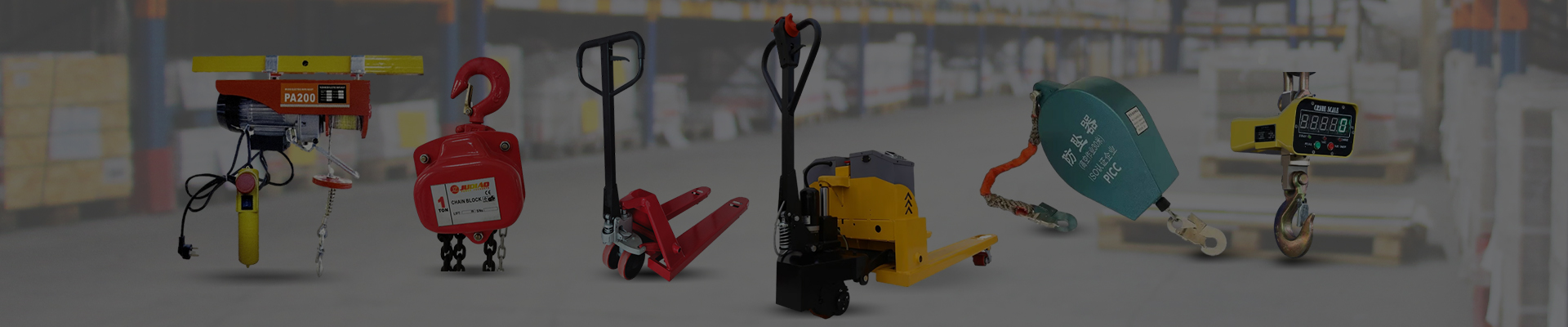


In today’s fast-evolving industrial landscape, the lightweight electric hoist is quietly revolutionizing how we lift, move, and handle heavy loads. From construction sites in bustling cities to humanitarian missions in remote regions, these compact yet powerful tools make heavy lifting safer, faster, and more efficient. But why does this matter globally? Well, the ability to transport materials effectively touches nearly every sector—manufacturing, logistics, healthcare, disaster relief, and beyond. Understanding lightweight electric hoists means embracing a technology that enables progress, resilience, and innovation worldwide.
Worldwide, industries are pushing the limits of productivity while aiming to reduce environmental footprints and improve worker safety. For example, the International Labour Organization (ILO) estimates that materials handling injuries account for a significant portion of workplace accidents. Here, lightweight electric hoists step in as a vital solution. According to market analyses, the electric hoist market is expected to grow by over 5% annually by 2027, driven by demand in Asia-Pacific and Europe primarily. This growth is not without challenges—heavy equipment can be cumbersome, slow to deploy, and expensive to maintain, especially in remote or disaster-stricken zones. Lightweight electric hoists help tackle these issues by offering portability and ease of use without sacrificing power.
Simply put, a lightweight electric hoist is a mechanical device designed to lift or lower loads electronically, with a design that prioritizes portability and ease of installation. Unlike bulkier, traditional hoists, these are compact and often constructed with advanced materials like aluminum alloys to reduce weight. They play a crucial role in modern industry by streamlining workflows and in humanitarian efforts by quickly setting up infrastructure for shelter, medical assistance, or rebuilding.
Despite their lighter frame, these hoists are built to last. Manufacturers employ corrosion-resistant coatings and rugged components to withstand harsh industrial or outdoor environments. This durability is critical in sustaining operations where downtime means costly delays.
Lightweight electric hoists can be adapted to different lifting capacities—from a few hundred kilograms to several tons—making them versatile across diverse industries. They can be configured with different speed settings and attachments, answering various material handling challenges.
By reducing transportation overhead (because they weigh less) and installation labor, telecom-friendly electric hoists often come with lower overall lifecycle costs compared to traditional heavy-duty ones.
Modern lightweight hoists include overload protection, emergency stop buttons, and remote control capabilities to enhance operator safety—key concerns in industrial and field settings alike.
They typically consume less power, aligning with corporate sustainability goals and making them suitable for locations with limited electrical infrastructure.
| Specification | Details |
|---|---|
| Load Capacity | Up to 2 Tons |
| Weight | 30 – 50 kg |
| Power Supply | Electric 220V / 380V |
| Lift Speed | 8 – 20 m/min |
| Control | Remote control / Pendant |
| Material | Aluminum Alloy Body |
Mini takeaway: Lightweight electric hoists combine portability and robust engineering to deliver efficient lifting solutions without the bulk.
The applications of lightweight electric hoists stretch far and wide. In Southeast Asia, where construction sites often need nimble solutions, these hoists assist in lifting building materials safely in congested urban zones. In humanitarian aid, organizations deploying temporary shelters or medical units rely on lightweight hoists to set up heavy equipment rapidly after natural disasters. For instance, during the 2020 Cyclone Harold relief efforts in the Pacific Islands, NGOs used lightweight hoists to unload supplies from ships quickly, demonstrating their value in critical moments.
Industrially, automated warehouses in Europe have integrated lightweight hoists in their material handling lines, combining them with smart systems for faster, less labor-intensive inventory management. Across mining zones in Africa, compact hoists help manage equipment in uneven terrains where bulky lifting machines can’t easily operate.
Explore more about lightweight electric hoist applications and see how industries prime for future-ready productivity.
| Vendor | Max Load Capacity | Weight (kg) | Control Options | Price Range |
|---|---|---|---|---|
| LiftPro | 2000 kg | 35 kg | Remote & Pendant | $1,200 - $1,800 |
| HoistEase | 1500 kg | 28 kg | Pendant Only | $950 - $1,400 |
| AeroLift | 1800 kg | 40 kg | Remote Only | $1,100 - $1,600 |
Mini takeaway: Selecting the right vendor depends on load capacity needs, weight constraints, and control preferences. Price ranges reflect quality and tech features.
Aside from being easier to transport, lightweight electric hoists cut energy consumption—a key advantage when operating in areas with unreliable power sources. Reduced weight means lower shipping costs, quicker setup times, and less physical strain for workers. Emotionally, they foster a safer and more confident workplace, reducing accidents and ensuring dignity in manual tasks. From a sustainability view, lighter devices translate to less raw material use and smaller carbon footprints.
The technology behind lightweight electric hoists isn’t standing still. Innovations like IoT-enabled devices enable real-time monitoring of hoist health and usage, pre-emptively flagging maintenance needs. There's a growing emphasis on electrifying equipment with green energy sources such as solar power, especially for off-grid applications. Plus, automation and AI-assisted controls allow precise, programmable lifts that reduce human error. Materials research promises even lighter but stronger alloys and composite materials, potentially slashing hoist weights further without losing strength.
One hurdle: battery life or consistent power supply can limit applications in remote zones. Manufacturers address this with energy-saving motor designs and hybrid power options. Another concern is balancing weight with durability—go too light, and lifespan may suffer. That’s why rigorous testing according to ISO standards ensures reliability. Training operators remains essential, since misuse can offset safety benefits. Hence, vendors now provide comprehensive training modules alongside products.
Lightweight electric hoists are more than just lifting devices; they’re catalysts for safer, smarter, and more sustainable operations across industries worldwide. Their ability to combine power with portability answers global needs both in industry and in humanitarian efforts. Frankly, embracing this technology is embracing progress.
Interested in learning more or finding solutions tailored to your needs? Visit our website: https://www.qyjuli.com
Oddly enough, in a world full of heavy machinery, sometimes lighter really does mean better.


 Afrikaans
 Albanian
 Amharic
 Arabic
 Armenian
 Azerbaijani
 Basque
 Belarusian
 Bengali
 Bosnian
 Bulgarian
 Catalan
 Cebuano
 China
China
 China (Taiwan)
 Corsican
 Croatian
 Czech
Czech
 Danish
 Dutch
Dutch
 Esperanto
 Estonian
 Finnish
 French
 Frisian
 Galician
 Georgian
 German
 Greek
Greek
 Gujarati
 Haitian Creole
 Hausa
Hausa
 Hawaiian
 Hebrew
 Hindi
Hindi
 Miao
Miao
 Hungarian
 Icelandic
 Igbo
Igbo
 Indonesian
 Irish
Irish
 Italian
 Japanese
 Javanese
 Kannada
 Kazakh
 Khmer
Khmer
 Rwandese
 Korean
 Kurdish
 Kyrgyz
 Lao
Lao
 Latin
Latin
 Latvian
 Lithuanian
 Luxembourgish
 Macedonian
 Malgashi
 Malay
Malay
 Malayalam
 Maltese
 Maori
Maori
 Marathi
 Mongolian
 Myanmar
 Nepali
 Norwegian
 Norwegian
 Occitan
 Pashto
 Persian
 Polish
 Portuguese
 Punjabi
 Romanian
 Russian
 Samoan
 Scottish Gaelic
 Serbian
 Sesotho
 Shona
Shona
 Sindhi
 Sinhala
 Slovak
 Slovenian
 Somali
 Spanish
 Sundanese
 Swahili
 Swedish
 Tagalog
 Tajik
Tajik
 Tamil
Tamil
 Tatar
Tatar
 Telugu
 Thai
Thai
 Turkish
 Turkmen
 Ukrainian
 Urdu
Urdu
 Uighur
 Uzbek
Uzbek
 Vietnamese
 Welsh
Welsh
 Bantu
Bantu
 Yiddish
 Yoruba
 Zulu
Zulu
 English