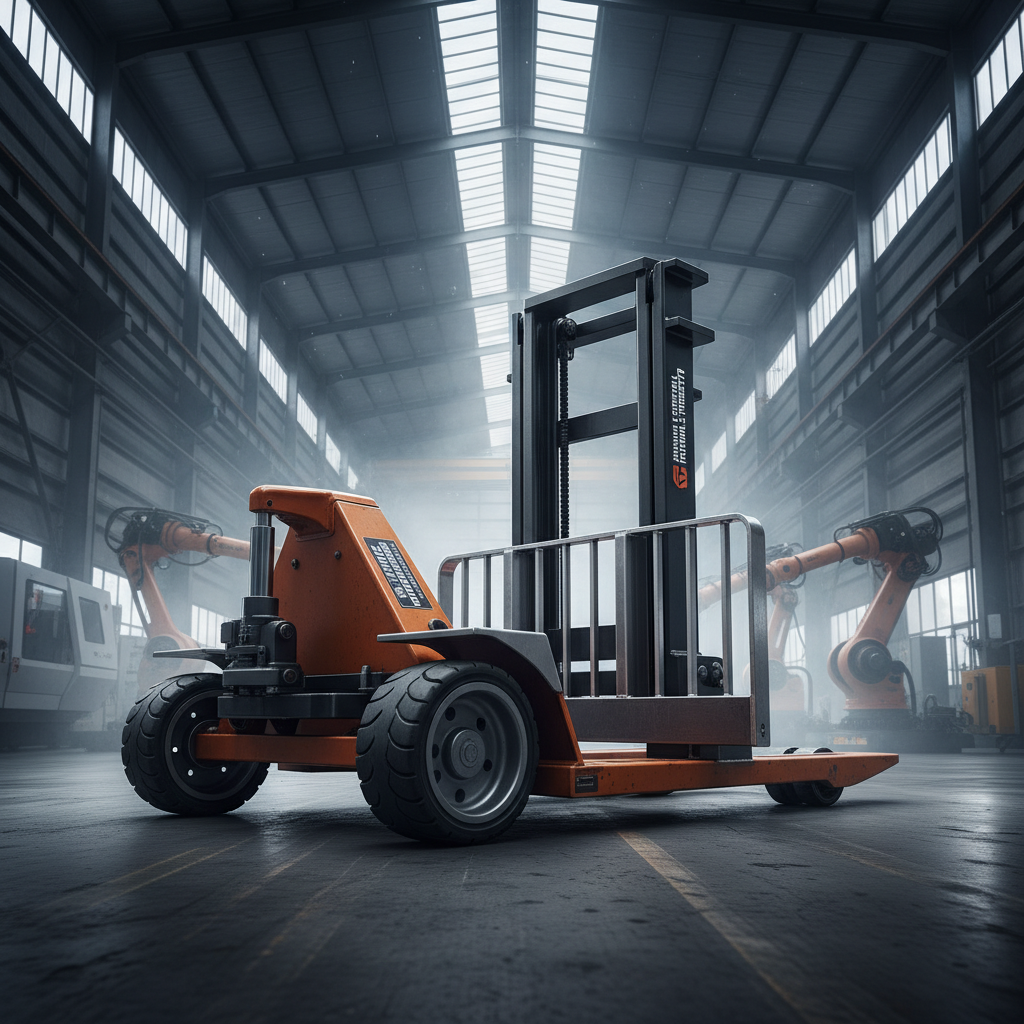


The efficient movement of goods is the lifeblood of modern commerce, and at the heart of this process lies the powered pallet truck. From bustling warehouses and sprawling distribution centers to the loading docks of retail giants, these versatile machines streamline material handling, boost productivity, and contribute significantly to global supply chain efficiency. Understanding the nuances of powered pallet trucks – their functionality, applications, and evolving technologies – is crucial for businesses striving to optimize their logistics and remain competitive in today’s fast-paced market.
The global demand for powered pallet trucks is steadily increasing, driven by factors such as the growth of e-commerce, the need for improved workplace safety, and the increasing complexity of supply chains. According to a report by Market Research Future, the global powered pallet truck market is projected to reach USD 12.5 billion by 2030, exhibiting a CAGR of 5.2% during the forecast period. This growth highlights the critical role these trucks play in facilitating trade and economic development worldwide.
The significance of the powered pallet truck extends beyond mere logistical convenience; it directly impacts worker safety and operational costs. Traditionally, moving heavy pallets manually presents significant risks of injury, while powered models significantly reduce physical strain and the potential for accidents. Furthermore, the increased efficiency offered by these trucks translates to lower labor costs, faster turnaround times, and an overall improvement in operational profitability.
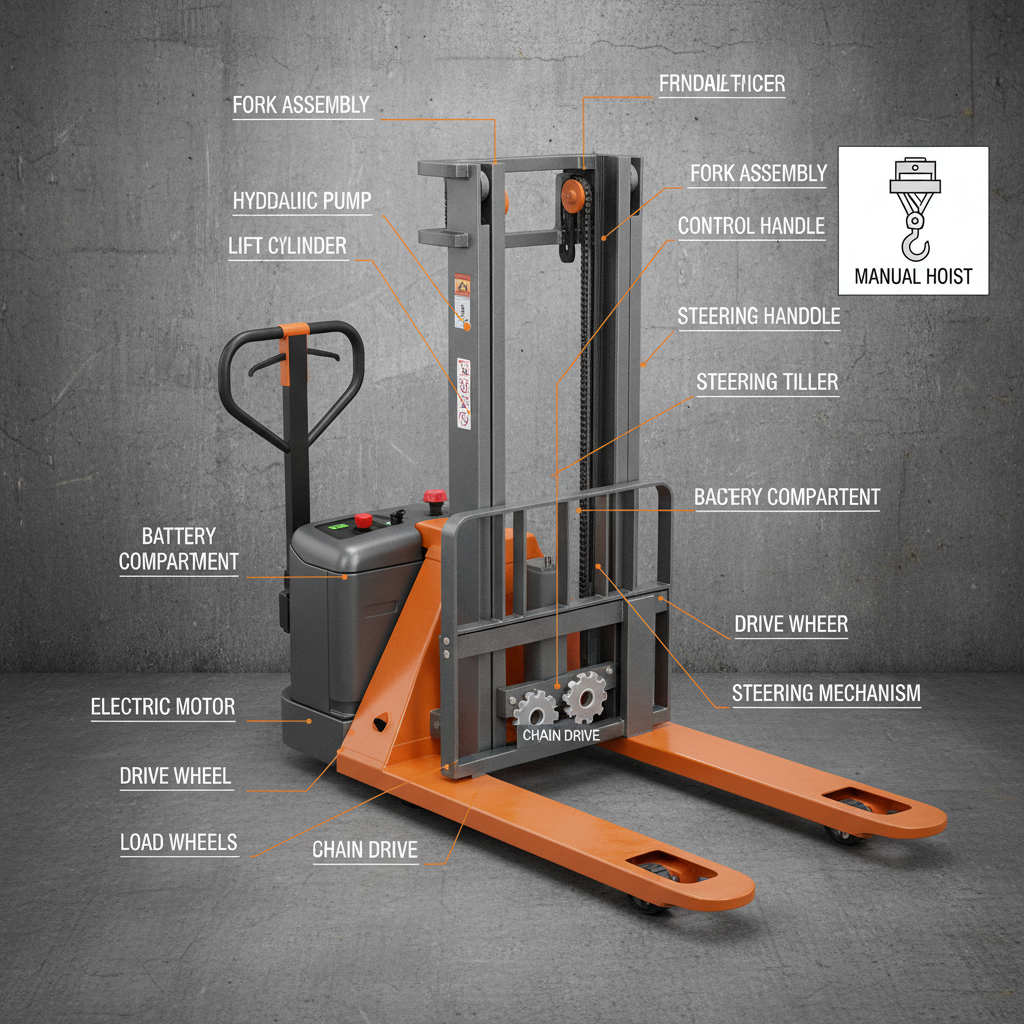
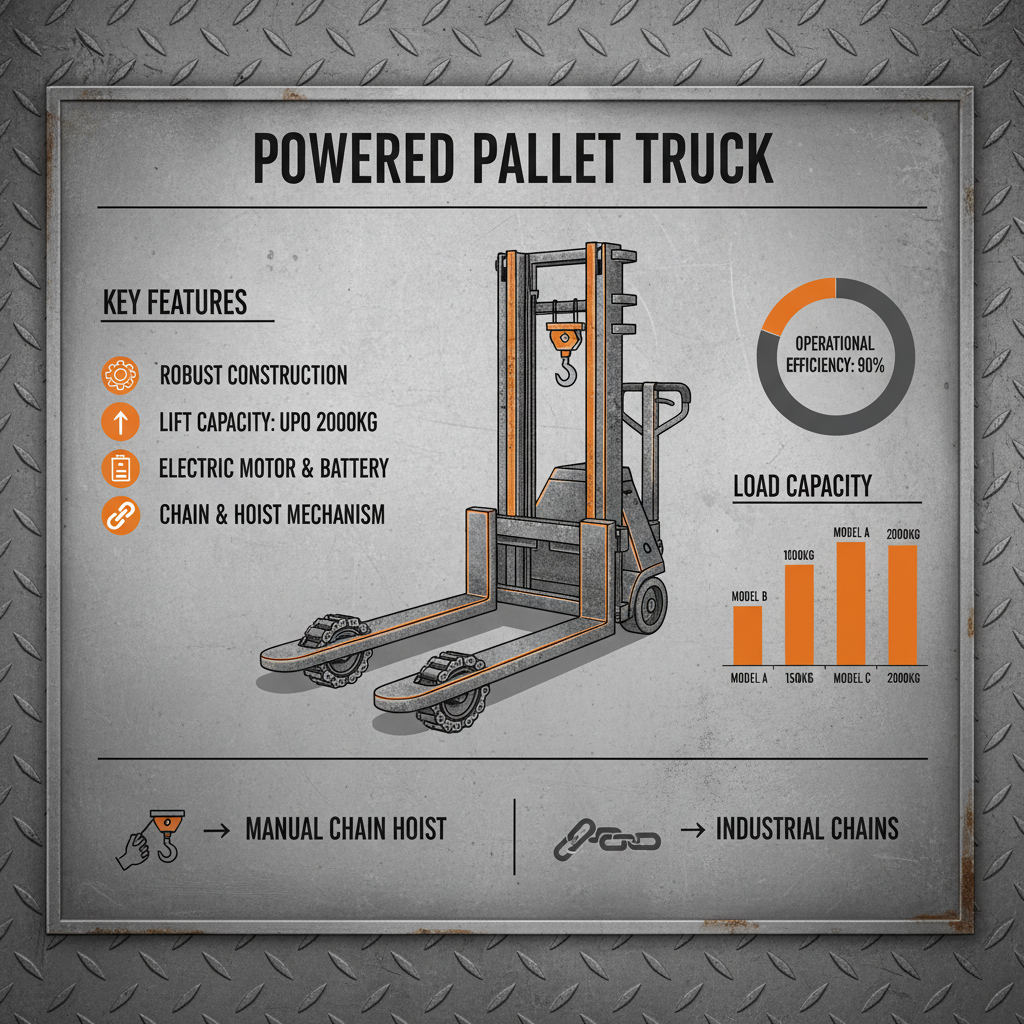
At its simplest, a powered pallet truck is designed to lift and move palletized loads with minimal effort. Unlike manual pallet jacks, these trucks utilize an electric motor to power the lifting and moving functions, enabling operators to transport heavier loads over longer distances with increased efficiency. This core functionality fundamentally alters warehouse logistics, making pallet movement faster and safer.
The primary components enabling this functionality include a robust electric motor, a lifting mechanism (typically hydraulic or electric), a durable fork structure, and intuitive controls. Different models offer varying load capacities, fork lengths, and lifting heights, catering to a diverse range of applications and load types.
The lifespan of a powered pallet truck typically ranges from 5 to 10 years, depending on usage intensity, maintenance practices, and environmental conditions. Regular maintenance, proper operator training, and avoiding overloading can significantly extend the truck’s operational life. Factors like battery health and the severity of the operational environment also play a crucial role. Investing in a quality model from a reputable manufacturer contributes to longevity.
Lithium-ion batteries are increasingly favored for powered pallet trucks due to their superior performance and longevity compared to traditional lead-acid batteries. They offer faster charging times, higher energy density, and a longer cycle life, resulting in lower total cost of ownership. While lead-acid batteries are initially less expensive, lithium-ion batteries often provide better long-term value and require less maintenance.
The load capacity of a standard powered pallet truck typically ranges from 2,200 to 5,500 pounds (1,000 to 2,500 kilograms). However, specialized models are available with higher load capacities for handling heavier pallets. It’s crucial to always check the truck’s load capacity plate and never exceed the maximum weight limit to ensure safe operation and prevent damage to the equipment.
Essential safety features include an emergency stop button, speed limiters, audible warning systems (like horns and alarms), and a robust chassis design. Look for models with ergonomic controls and non-slip surfaces to enhance operator comfort and control. Some trucks also feature pedestrian detection systems and proximity sensors to prevent collisions.
While both powered pallet trucks and forklifts are used to move materials, they differ in their design and functionality. Powered pallet trucks are primarily designed for moving palletized loads horizontally, with a lower lifting height. Forklifts offer greater lifting height and versatility for stacking and handling various load types, but they are typically larger and require more space to operate.
The charging frequency depends on the battery type and usage patterns. Lithium-ion batteries can be opportunity charged during breaks, while lead-acid batteries typically require a full charge overnight. It’s best to follow the manufacturer’s recommendations for charging procedures and avoid completely discharging the battery, as this can shorten its lifespan. Regularly monitoring the battery’s state of charge is recommended.
In conclusion, the powered pallet truck stands as a cornerstone of modern logistics and material handling. From its humble beginnings to its current state of technological sophistication, it has consistently evolved to meet the changing demands of industry. The benefits – increased efficiency, improved safety, reduced labor costs, and growing sustainability – are undeniable. Understanding its core functionalities, applications, and maintenance requirements is vital for any organization seeking to optimize its operations and maintain a competitive edge.
Looking forward, advancements in battery technology, automation, and sensor integration promise to further enhance the capabilities of powered pallet trucks. Embracing these innovations will be crucial for businesses seeking to future-proof their material handling processes. To explore our range of high-quality powered pallet trucks and find the perfect solution for your needs, visit our website today: www.qyjuli.com.



 Afrikaans
 Albanian
 Amharic
 Arabic
 Armenian
 Azerbaijani
 Basque
 Belarusian
 Bengali
 Bosnian
 Bulgarian
 Catalan
 Cebuano
 China
China
 China (Taiwan)
 Corsican
 Croatian
 Czech
Czech
 Danish
 Dutch
Dutch
 Esperanto
 Estonian
 Finnish
 French
 Frisian
 Galician
 Georgian
 German
 Greek
Greek
 Gujarati
 Haitian Creole
 Hausa
Hausa
 Hawaiian
 Hebrew
 Hindi
Hindi
 Miao
Miao
 Hungarian
 Icelandic
 Igbo
Igbo
 Indonesian
 Irish
Irish
 Italian
 Japanese
 Javanese
 Kannada
 Kazakh
 Khmer
Khmer
 Rwandese
 Korean
 Kurdish
 Kyrgyz
 Lao
Lao
 Latin
Latin
 Latvian
 Lithuanian
 Luxembourgish
 Macedonian
 Malgashi
 Malay
Malay
 Malayalam
 Maltese
 Maori
Maori
 Marathi
 Mongolian
 Myanmar
 Nepali
 Norwegian
 Norwegian
 Occitan
 Pashto
 Persian
 Polish
 Portuguese
 Punjabi
 Romanian
 Russian
 Samoan
 Scottish Gaelic
 Serbian
 Sesotho
 Shona
Shona
 Sindhi
 Sinhala
 Slovak
 Slovenian
 Somali
 Spanish
 Sundanese
 Swahili
 Swedish
 Tagalog
 Tajik
Tajik
 Tamil
Tamil
 Tatar
Tatar
 Telugu
 Thai
Thai
 Turkish
 Turkmen
 Ukrainian
 Urdu
Urdu
 Uighur
 Uzbek
Uzbek
 Vietnamese
 Welsh
Welsh
 Bantu
Bantu
 Yiddish
 Yoruba
 Zulu
Zulu
 English